Petulla Fried Bread Recipe - Easy Albanian Dough
Petulla Fried Bread Recipe - Easy Albanian Dough

- Serves: 6 People
- Prepare Time: 20 minutes
- Cooking Time: 20 minutes
- Calories: -
- Difficulty: Easy
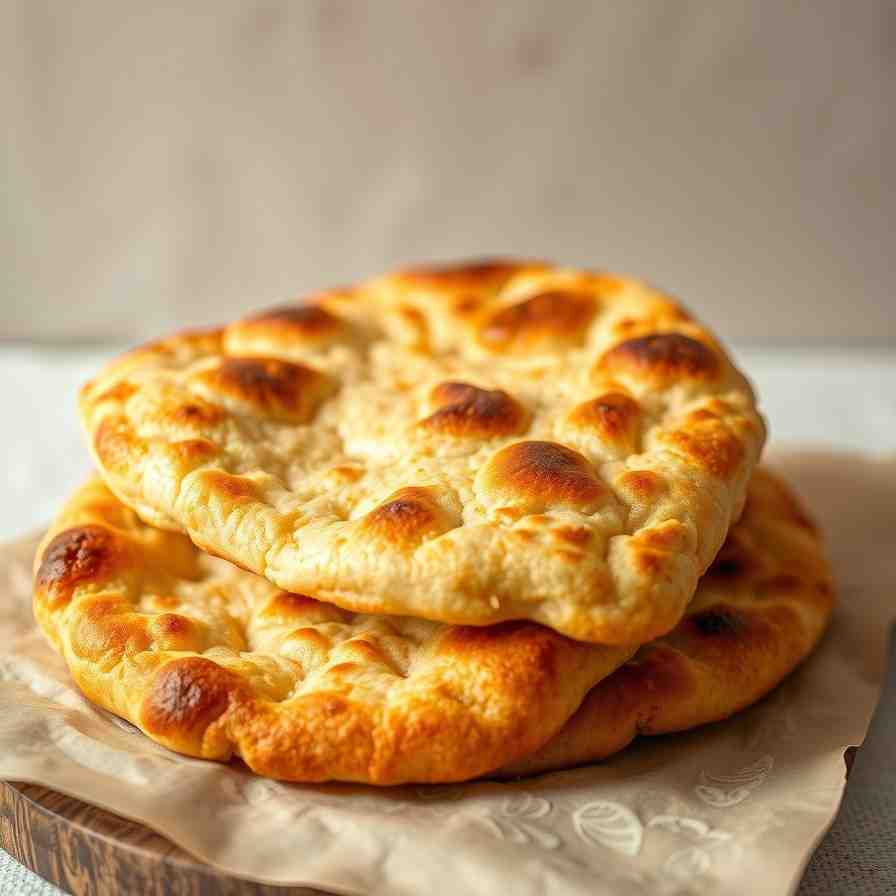
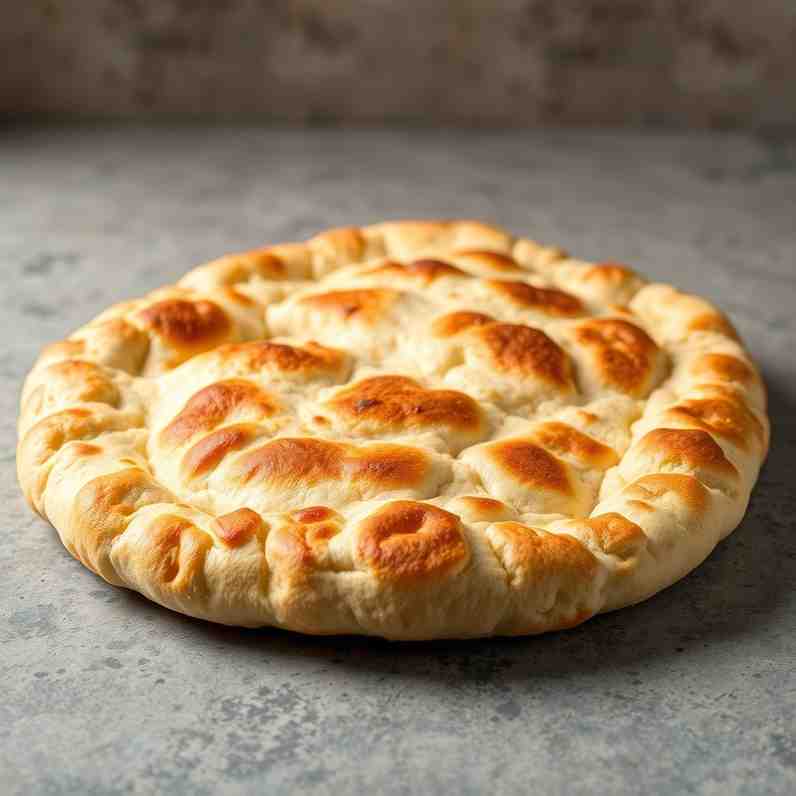
Welcome to the delicious world of Albanian cuisine! If you've never tried Petulla fried bread recipe before, you're in for a real treat. These aren't just any fried dough; Petulla are soft, puffy Albanian breakfast fritters that hold a special place in the hearts (and stomachs!) of many families. Imagine a cozy weekend morning, the aroma of freshly fried dough filling your kitchen, ready to be enjoyed with a drizzle of honey or a sprinkle of feta cheese. That's the magic of Petulla!
So, what exactly are Petulla? Think of them as the rustic, less-sweet cousin to American donuts or French beignets. While they share the delightful fried dough concept, Petulla are typically less sugary, making them incredibly versatile. You can serve them sweet with fruit jam or chocolate spread, or go savory with traditional Albanian toppings like feta cheese and olives. This recipe brings you an authentic taste of Albania, crafted to be simple and easy for every home cook, whether you're a beginner or a seasoned baker. We're using a traditional yeast dough, enriched with a touch of dairy and egg, just like many Albanian grandmothers would make them, ensuring a tender, irresistible result every time. Get ready to embark on a delightful journey with this fantastic fried bread recipe!
Ingredients
Directions
- Mix and activate the yeast In a large mixing bowl, combine the warm water (remember, 105-115°F is key!), sugar, and active dry yeast. Give it a gentle stir. Let it sit for 5-10 minutes until it becomes foamy and bubbly. This shows your yeast is alive and ready to work its magic!
- Make the dough Once your yeast is active, add the egg, milk or yogurt (if using), flour, and salt to the bowl. Mix everything together with a sturdy spoon or a dough hook on a stand mixer until combined. The dough will be quite sticky, but that's exactly what we want! It should cling to the spoon and stretch when pulled, not form a stiff, dry ball. Avoid adding too much extra flour.
- First rise Cover the bowl tightly with plastic wrap or a clean kitchen towel. Place it in a warm, draft-free spot. Let the dough rise for 1 to 1.5 hours, or until it has roughly doubled in size and looks bubbly and jiggly. If you want to make ahead, you can also refrigerate the dough overnight for a slower rise; just let it come to room temperature for about 30-60 minutes before proceeding to the next step.
- Preheat oil & portion the dough While the dough finishes rising, prepare your frying station. Pour the neutral frying oil into a heavy-bottomed pot or Dutch oven, ensuring it's about 2-3 inches deep. Heat the oil over medium-high heat until it reaches 350-375°F (175-190°C). If you don't have a thermometer, you can test it by dropping a tiny piece of dough into the oil; it should sizzle and float to the top immediately.
- To portion the dough, you'll need wet hands or two spoons. Dip your hands or spoons in water to prevent sticking. Gently pull off small pieces of dough, roughly the size of a golf ball or slightly larger, and carefully drop them into the hot oil.
- Fry the petulla Work in batches, adding only 3-4 petulla at a time to avoid overcrowding the pot, which can lower the oil temperature. Fry for 2-3 minutes per side. They should puff up beautifully and turn a deep golden brown. Flip them gently using a slotted spoon or tongs to ensure even cooking. The goal is a puffed, golden exterior with no pale seams, signifying they're cooked through.
- Drain and rest Once golden brown and puffed, remove the petulla from the oil using a slotted spoon. Transfer them to a tray lined with paper towels to drain any excess oil. For extra crispiness, you can move them to a wire cooling rack placed over a baking sheet after a minute or two; this allows steam to escape and prevents them from getting soggy. Serve warm and enjoy!
Petulla Fried Bread Recipe - Easy Albanian Dough
- Serves: 6 People
- Prepare Time: 20 minutes
- Cooking Time: 20 minutes
- Calories: -
- Difficulty: Easy
Welcome to the delicious world of Albanian cuisine! If you've never tried Petulla fried bread recipe before, you're in for a real treat. These aren't just any fried dough; Petulla are soft, puffy Albanian breakfast fritters that hold a special place in the hearts (and stomachs!) of many families. Imagine a cozy weekend morning, the aroma of freshly fried dough filling your kitchen, ready to be enjoyed with a drizzle of honey or a sprinkle of feta cheese. That's the magic of Petulla!
So, what exactly are Petulla? Think of them as the rustic, less-sweet cousin to American donuts or French beignets. While they share the delightful fried dough concept, Petulla are typically less sugary, making them incredibly versatile. You can serve them sweet with fruit jam or chocolate spread, or go savory with traditional Albanian toppings like feta cheese and olives. This recipe brings you an authentic taste of Albania, crafted to be simple and easy for every home cook, whether you're a beginner or a seasoned baker. We're using a traditional yeast dough, enriched with a touch of dairy and egg, just like many Albanian grandmothers would make them, ensuring a tender, irresistible result every time. Get ready to embark on a delightful journey with this fantastic fried bread recipe!
Ingredients
Directions
- Mix and activate the yeast In a large mixing bowl, combine the warm water (remember, 105-115°F is key!), sugar, and active dry yeast. Give it a gentle stir. Let it sit for 5-10 minutes until it becomes foamy and bubbly. This shows your yeast is alive and ready to work its magic!
- Make the dough Once your yeast is active, add the egg, milk or yogurt (if using), flour, and salt to the bowl. Mix everything together with a sturdy spoon or a dough hook on a stand mixer until combined. The dough will be quite sticky, but that's exactly what we want! It should cling to the spoon and stretch when pulled, not form a stiff, dry ball. Avoid adding too much extra flour.
- First rise Cover the bowl tightly with plastic wrap or a clean kitchen towel. Place it in a warm, draft-free spot. Let the dough rise for 1 to 1.5 hours, or until it has roughly doubled in size and looks bubbly and jiggly. If you want to make ahead, you can also refrigerate the dough overnight for a slower rise; just let it come to room temperature for about 30-60 minutes before proceeding to the next step.
- Preheat oil & portion the dough While the dough finishes rising, prepare your frying station. Pour the neutral frying oil into a heavy-bottomed pot or Dutch oven, ensuring it's about 2-3 inches deep. Heat the oil over medium-high heat until it reaches 350-375°F (175-190°C). If you don't have a thermometer, you can test it by dropping a tiny piece of dough into the oil; it should sizzle and float to the top immediately.
- To portion the dough, you'll need wet hands or two spoons. Dip your hands or spoons in water to prevent sticking. Gently pull off small pieces of dough, roughly the size of a golf ball or slightly larger, and carefully drop them into the hot oil.
- Fry the petulla Work in batches, adding only 3-4 petulla at a time to avoid overcrowding the pot, which can lower the oil temperature. Fry for 2-3 minutes per side. They should puff up beautifully and turn a deep golden brown. Flip them gently using a slotted spoon or tongs to ensure even cooking. The goal is a puffed, golden exterior with no pale seams, signifying they're cooked through.
- Drain and rest Once golden brown and puffed, remove the petulla from the oil using a slotted spoon. Transfer them to a tray lined with paper towels to drain any excess oil. For extra crispiness, you can move them to a wire cooling rack placed over a baking sheet after a minute or two; this allows steam to escape and prevents them from getting soggy. Serve warm and enjoy!
You may also like

Hey there! I’m just someone who seriously loves good food and believes that cooking doesn’t have to be complicated to be amazing. Whether it’s a quick weeknight dinner or a cozy weekend meal, I’m all about sharing easy, tasty recipes that actually work.