Salsa Chimichurri Make This Zesty Herb Sauce
Salsa Chimichurri Make This Zesty Herb Sauce
- Serves: 6 People
- Prepare Time: 10 minutes
- Cooking Time: 0 minutes
- Calories: -
- Difficulty: Easy
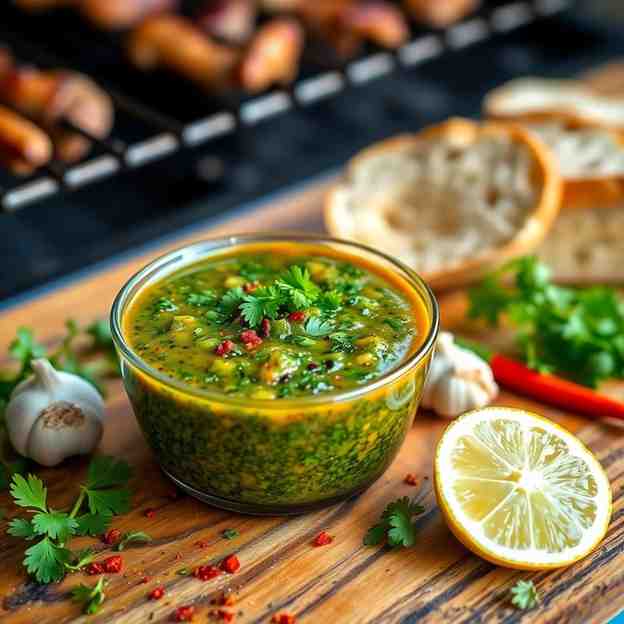
Ever wondered how to get that incredible, vibrant flavor on your grilled meats and veggies, just like at your favorite Argentinian steakhouse? Meet salsa chimichurri, the zesty green herb sauce that's about to become your new kitchen MVP. This fresh, garlicky condiment hails from Argentina and Uruguay, traditionally served with grilled meats (known as asados), but it’s so versatile, you’ll want to put it on everything!
Our recipe for authentic Argentinian-style chimichurri sauce is designed for US home cooks. It’s super easy, with just about 10 minutes of prep, using a handful of ingredients you can find at any regular grocery store. You’ll get that true, vibrant flavor with clear, simple techniques, plus all the troubleshooting and storage tips you need. Say goodbye to bland meals and hello to big, bold flavor in minutes!
Great with: steak, chicken, fish, roasted veggies, potatoes
Ingredients
Directions
- Prep & Dry the Herbs First, wash your parsley (and fresh oregano if you're using it) thoroughly. It's super important to spin or pat them very dry. Excess water is the enemy here—it can lead to a dull color and watered-down flavor in your finished chimichurri sauce. Once dry, strip the leaves from any thick stems.
- Hand-Chop to the Right Texture Gather your parsley, oregano, and garlic together on a large cutting board. Finely chop them all at once using a sharp chef’s knife. You want the pieces to be very small, like confetti, but still visible. Aim for a loose, finely minced texture, not a paste or mush. If your herbs are starting to smear into a paste, you've gone too far—next time, chop with a lighter hand to preserve that fresh texture.
- Build the Base in the Bowl Transfer your finely chopped herbs and garlic into a medium mixing bowl. Stir in the red pepper flakes, salt, and black pepper. Take a moment to smell this dry mix—it should already be incredibly intense and garlicky, promising big flavor! Remember, it should taste a little salty and intense on its own, as you're seasoning plain grilled meat with it.
- Whisk in Olive Oil and Vinegar Now, drizzle in the extra-virgin olive oil and red wine vinegar. Whisk everything together until the herbs are suspended in a loose, spoonable sauce. A good starting ratio is about 2 parts oil to 1 part vinegar. The balance should taste bright, tangy, and a bit sharp, but not harshly acidic or oily.
- Taste & adjust:
- If it tastes flat, add a pinch more salt.
- If it tastes a bit too oily, whisk in a touch more vinegar.
- If you want more heat, add an extra pinch of red pepper flakes.
Salsa Chimichurri Make This Zesty Herb Sauce
- Serves: 6 People
- Prepare Time: 10 minutes
- Cooking Time: 0 minutes
- Calories: -
- Difficulty: Easy
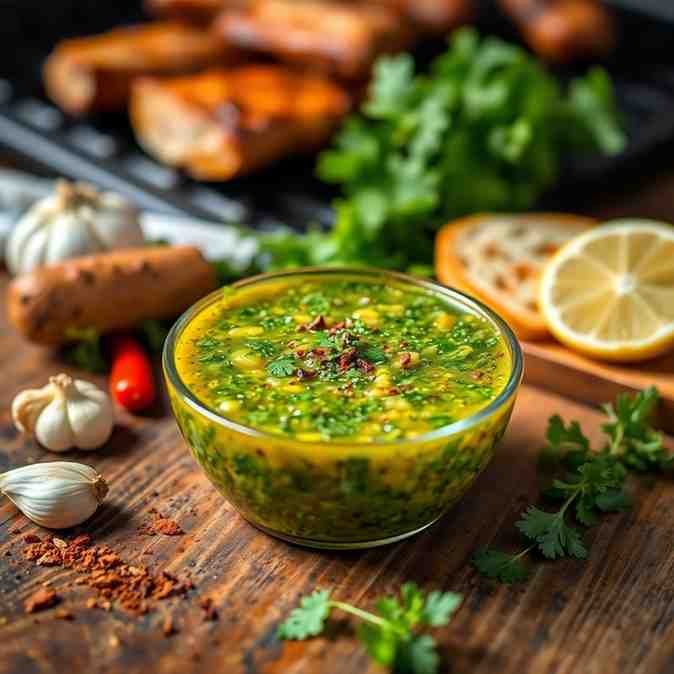
Ever wondered how to get that incredible, vibrant flavor on your grilled meats and veggies, just like at your favorite Argentinian steakhouse? Meet salsa chimichurri, the zesty green herb sauce that's about to become your new kitchen MVP. This fresh, garlicky condiment hails from Argentina and Uruguay, traditionally served with grilled meats (known as asados), but it’s so versatile, you’ll want to put it on everything!
Our recipe for authentic Argentinian-style chimichurri sauce is designed for US home cooks. It’s super easy, with just about 10 minutes of prep, using a handful of ingredients you can find at any regular grocery store. You’ll get that true, vibrant flavor with clear, simple techniques, plus all the troubleshooting and storage tips you need. Say goodbye to bland meals and hello to big, bold flavor in minutes!
Great with: steak, chicken, fish, roasted veggies, potatoes
Ingredients
Directions
- Prep & Dry the Herbs First, wash your parsley (and fresh oregano if you're using it) thoroughly. It's super important to spin or pat them very dry. Excess water is the enemy here—it can lead to a dull color and watered-down flavor in your finished chimichurri sauce. Once dry, strip the leaves from any thick stems.
- Hand-Chop to the Right Texture Gather your parsley, oregano, and garlic together on a large cutting board. Finely chop them all at once using a sharp chef’s knife. You want the pieces to be very small, like confetti, but still visible. Aim for a loose, finely minced texture, not a paste or mush. If your herbs are starting to smear into a paste, you've gone too far—next time, chop with a lighter hand to preserve that fresh texture.
- Build the Base in the Bowl Transfer your finely chopped herbs and garlic into a medium mixing bowl. Stir in the red pepper flakes, salt, and black pepper. Take a moment to smell this dry mix—it should already be incredibly intense and garlicky, promising big flavor! Remember, it should taste a little salty and intense on its own, as you're seasoning plain grilled meat with it.
- Whisk in Olive Oil and Vinegar Now, drizzle in the extra-virgin olive oil and red wine vinegar. Whisk everything together until the herbs are suspended in a loose, spoonable sauce. A good starting ratio is about 2 parts oil to 1 part vinegar. The balance should taste bright, tangy, and a bit sharp, but not harshly acidic or oily.
- Taste & adjust:
- If it tastes flat, add a pinch more salt.
- If it tastes a bit too oily, whisk in a touch more vinegar.
- If you want more heat, add an extra pinch of red pepper flakes.
The following nutritional values are per serving (one piece of cake) Calories ~120-150 kcal (mostly from healthy fats) Carbohydrates ~1-2g Protein ~0.5g Fat ~12-15g (primarily monounsaturated and polyunsaturated fats from olive oil) Sometimes you just need to get that delicious chimichurri on the table fast. While we love the authentic texture of hand-chopped herbs, a few smart tools can help you speed things up without sacrificing too much flavor. Problem: Chopping all those fresh herbs and garlic by hand for chimichurri can feel like a chore, especially if you're making a big batch or have hungry guests waiting. It takes time and can be tough to get that perfectly consistent mince. Problem: Using a dull knife makes chopping herbs and garlic a slow, frustrating, and even dangerous task. It crushes delicate leaves instead of cutting them cleanly, leading to bruised herbs and less vibrant flavor. Click any ingredient for detailed nutritional information:Recipe Nutritional Values
Additional Information
Recipe Success Tips
Ingredient Substitutions & Variations
Make-Ahead & Storage Instructions
Frequently Asked Questions
Recommended Kitchen Tools
Food Processor
Agitate: Who wants to spend extra minutes at the cutting board when dinner is almost ready, or when your hands are tired from all that chopping? Plus, inconsistent chopping can lead to an uneven sauce where some bits are too big and others are practically a paste.
Solution: A good food processor can make quick work of finely mincing your herbs and garlic, getting you to that delicious chimichurri in mere minutes. Just remember our pro tip: pulse in short bursts, don't run it continuously, to achieve that beautiful "confetti" texture instead of a thick green paste.Sharp Chef's Knife
Agitate: Trying to mince with a dull blade is not only inefficient but can also make your fingers slip, turning a quick prep into a kitchen mishap. Plus, bruised herbs release less of their aromatic oils, dulling your chimichurri's overall taste.
Solution: Investing in a quality, sharp chef's knife makes all the difference. It glides through herbs and garlic, ensuring clean cuts that preserve their freshness and release their full flavor. A sharp knife drastically cuts down prep time and makes the whole cooking process much more enjoyable and safer!Calories per Ingredient
You may also like




Hey there! I’m just someone who seriously loves good food and believes that cooking doesn’t have to be complicated to be amazing. Whether it’s a quick weeknight dinner or a cozy weekend meal, I’m all about sharing easy, tasty recipes that actually work.