Semmelknödel (German Bread Dumplings) Recipe
Semmelknödel (German Bread Dumplings) Recipe
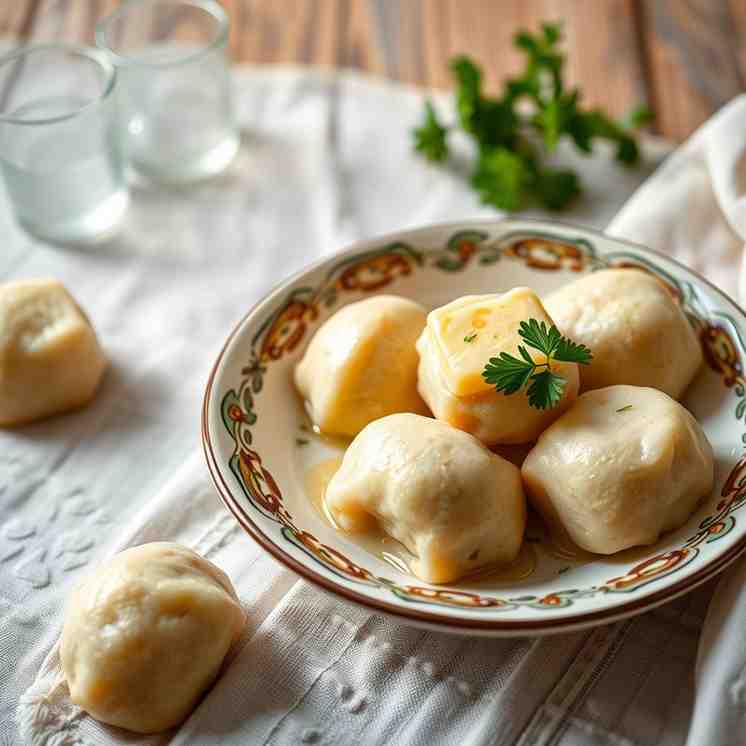
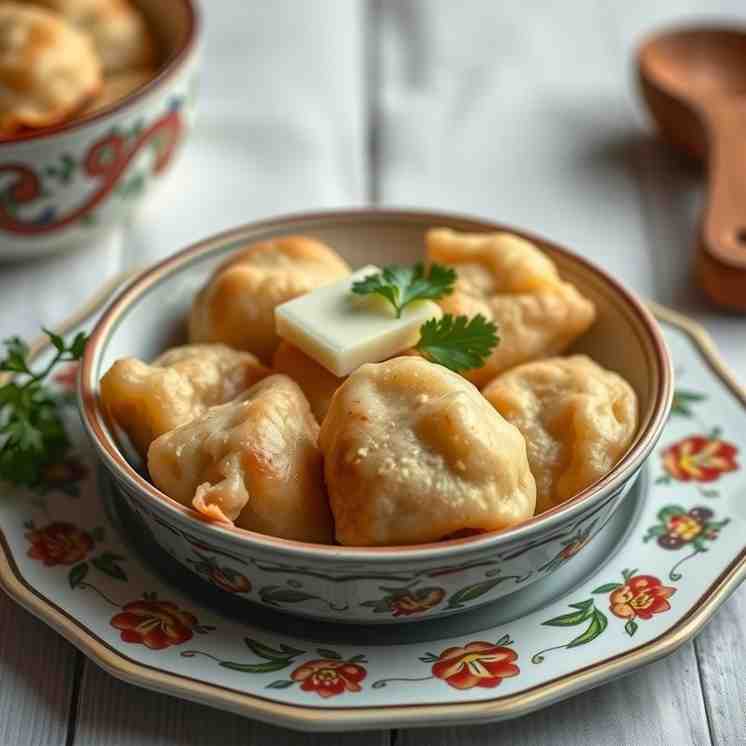
- Serves: 8 People
- Prepare Time: 20 minutes
- Cooking Time: 25 minutes
- Calories: -
- Difficulty: Medium
Welcome to the ultimate guide for mastering Semmelknödel (German Bread Dumplings)! Forget hunting for multiple recipes or struggling with unfamiliar ingredients. This is the canonical recipe you've been searching for, crafted in plain American English and designed to work perfectly with bread you can easily find at your local grocery store.
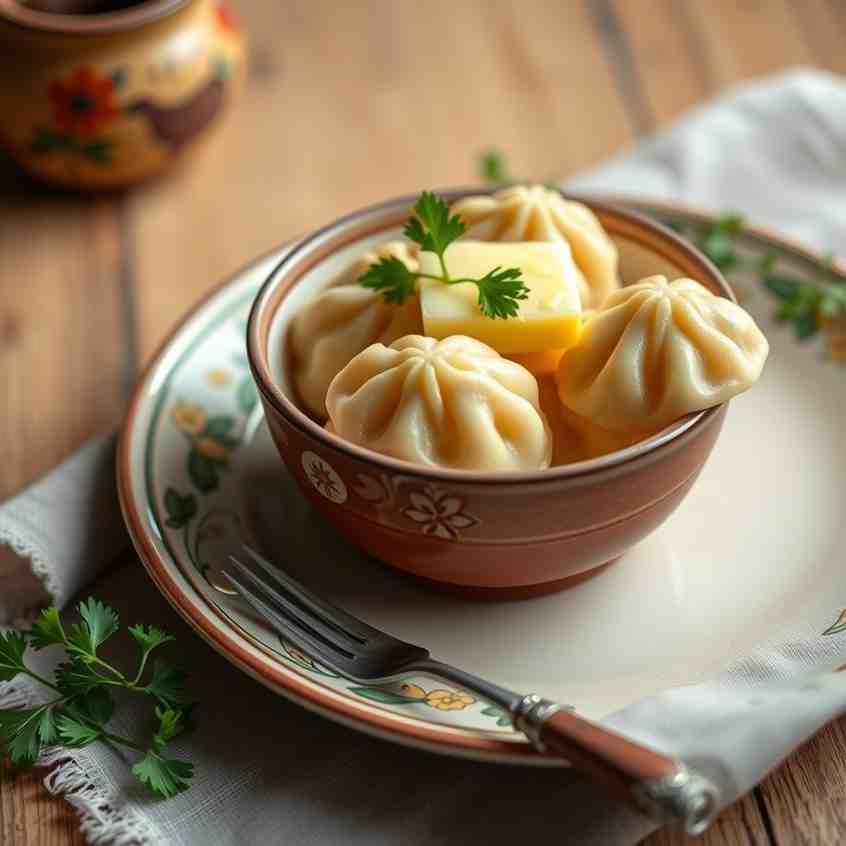
So, what exactly are these delightful dumplings? Imagine something akin to a savory, tender bread pudding or a lighter, fluffier stuffing, but shaped into beautiful, satisfying spheres. They're incredibly comforting, with a delicate savory flavor from sautéed onions and fresh parsley, bound together with eggs and milk. When you cut into them, you'll find a soft, slightly chewy interior that's just begging to soak up rich gravy. German bread dumplings are a staple in Southern German, Austrian, and Bohemian cuisine, traditionally served alongside hearty roast dinners, especially during holiday meals, Oktoberfest celebrations, or any chilly evening when you crave a truly satisfying plate. Get ready to impress your family and friends with this authentic taste of German tradition!
Ingredients
Directions
- Prep and dry the breadCut your stale crusty white bread into uniform ½-inch (1.25 cm) cubes. The key here is stale bread – it absorbs the milk without turning mushy. If your bread isn't quite stale enough, spread the cubes on a baking sheet and bake at 200°F (95°C) for 15-20 minutes until dry to the touch but not toasted. Place the dried bread cubes in a large mixing bowl and sprinkle with salt.
- Soak with hot milkWarm the milk gently until it’s hot to the touch but not boiling. You should see tiny bubbles around the edges, but no rolling boil. Pour the hot milk evenly over the bread cubes in the bowl. Gently toss to ensure all the bread is moistened. Cover the bowl with a clean kitchen towel and let it soak for 10-15 minutes. The bread should soften significantly but still hold its shape.
- Cook the aromaticsWhile the bread soaks, melt the butter in a medium skillet over medium heat. Add the finely diced onion and sauté for 5-7 minutes, until soft and translucent, and just beginning to turn golden. If you're adding optional bacon or garlic (see variations below), add it during the last few minutes of cooking with the onion. Remove from heat and let cool slightly.
- Mix the dumpling doughUncover the soaked bread. The bread should be soft. Gently squeeze a piece of bread to check its consistency – it should be moist but not dripping. Add the sautéed onion (and any cooked optional additions), chopped fresh parsley, beaten eggs, grated nutmeg, and black pepper to the bowl. Start by adding ½ cup of breadcrumbs. With clean hands, gently knead the mixture together for 2-3 minutes. You want to combine everything thoroughly without overworking it. The mixture should feel cohesive, moist but not sticky, and firm enough to hold a ball shape. If it feels too wet, add more breadcrumbs, one tablespoon at a time, until the consistency is right. If it feels too dry and crumbly, add a splash more warm milk.
- Shape the dumplingsLightly moisten your hands with water. Take about ½ cup of the bread mixture (roughly the size of a tennis ball) and roll it firmly between your palms to form a smooth, compact sphere. Ensure there are no cracks on the surface, as these can cause the dumpling to fall apart during cooking. Repeat with the remaining mixture. You should get about 8 dumplings.
- Simmer, don’t boilChoose a large pot with a lid, big enough to comfortably hold all the dumplings without crowding them. Fill it two-thirds full with water and add a generous pinch of salt (about 1 tablespoon for every 4 quarts of water). Bring the water to a bare simmer over medium heat. A "bare simmer" means you'll see tiny bubbles gently rising from the bottom, but no vigorous rolling boil. Carefully lower one "test dumpling" into the simmering water. Cook for 5 minutes. If it holds together, you’re good to go! If it starts to disintegrate, remove it, gently re-knead the remaining dough with an additional 1-2 tablespoons of breadcrumbs (or a bit more milk if it was too dry), and try another test dumpling. Once your test dumpling passes, gently add the rest of
Semmelknödel (German Bread Dumplings) Recipe
- Serves: 8 People
- Prepare Time: 20 minutes
- Cooking Time: 25 minutes
- Calories: -
- Difficulty: Medium
Welcome to the ultimate guide for mastering Semmelknödel (German Bread Dumplings)! Forget hunting for multiple recipes or struggling with unfamiliar ingredients. This is the canonical recipe you've been searching for, crafted in plain American English and designed to work perfectly with bread you can easily find at your local grocery store.
So, what exactly are these delightful dumplings? Imagine something akin to a savory, tender bread pudding or a lighter, fluffier stuffing, but shaped into beautiful, satisfying spheres. They're incredibly comforting, with a delicate savory flavor from sautéed onions and fresh parsley, bound together with eggs and milk. When you cut into them, you'll find a soft, slightly chewy interior that's just begging to soak up rich gravy. German bread dumplings are a staple in Southern German, Austrian, and Bohemian cuisine, traditionally served alongside hearty roast dinners, especially during holiday meals, Oktoberfest celebrations, or any chilly evening when you crave a truly satisfying plate. Get ready to impress your family and friends with this authentic taste of German tradition!
Ingredients
Directions
- Prep and dry the breadCut your stale crusty white bread into uniform ½-inch (1.25 cm) cubes. The key here is stale bread – it absorbs the milk without turning mushy. If your bread isn't quite stale enough, spread the cubes on a baking sheet and bake at 200°F (95°C) for 15-20 minutes until dry to the touch but not toasted. Place the dried bread cubes in a large mixing bowl and sprinkle with salt.
- Soak with hot milkWarm the milk gently until it’s hot to the touch but not boiling. You should see tiny bubbles around the edges, but no rolling boil. Pour the hot milk evenly over the bread cubes in the bowl. Gently toss to ensure all the bread is moistened. Cover the bowl with a clean kitchen towel and let it soak for 10-15 minutes. The bread should soften significantly but still hold its shape.
- Cook the aromaticsWhile the bread soaks, melt the butter in a medium skillet over medium heat. Add the finely diced onion and sauté for 5-7 minutes, until soft and translucent, and just beginning to turn golden. If you're adding optional bacon or garlic (see variations below), add it during the last few minutes of cooking with the onion. Remove from heat and let cool slightly.
- Mix the dumpling doughUncover the soaked bread. The bread should be soft. Gently squeeze a piece of bread to check its consistency – it should be moist but not dripping. Add the sautéed onion (and any cooked optional additions), chopped fresh parsley, beaten eggs, grated nutmeg, and black pepper to the bowl. Start by adding ½ cup of breadcrumbs. With clean hands, gently knead the mixture together for 2-3 minutes. You want to combine everything thoroughly without overworking it. The mixture should feel cohesive, moist but not sticky, and firm enough to hold a ball shape. If it feels too wet, add more breadcrumbs, one tablespoon at a time, until the consistency is right. If it feels too dry and crumbly, add a splash more warm milk.
- Shape the dumplingsLightly moisten your hands with water. Take about ½ cup of the bread mixture (roughly the size of a tennis ball) and roll it firmly between your palms to form a smooth, compact sphere. Ensure there are no cracks on the surface, as these can cause the dumpling to fall apart during cooking. Repeat with the remaining mixture. You should get about 8 dumplings.
- Simmer, don’t boilChoose a large pot with a lid, big enough to comfortably hold all the dumplings without crowding them. Fill it two-thirds full with water and add a generous pinch of salt (about 1 tablespoon for every 4 quarts of water). Bring the water to a bare simmer over medium heat. A "bare simmer" means you'll see tiny bubbles gently rising from the bottom, but no vigorous rolling boil. Carefully lower one "test dumpling" into the simmering water. Cook for 5 minutes. If it holds together, you’re good to go! If it starts to disintegrate, remove it, gently re-knead the remaining dough with an additional 1-2 tablespoons of breadcrumbs (or a bit more milk if it was too dry), and try another test dumpling. Once your test dumpling passes, gently add the rest of
You may also like

Hey there! I’m just someone who seriously loves good food and believes that cooking doesn’t have to be complicated to be amazing. Whether it’s a quick weeknight dinner or a cozy weekend meal, I’m all about sharing easy, tasty recipes that actually work.