Shah Pilaf Recipe - Crown Rice with Lamb & Saffron – Bake Today
Shah Pilaf Recipe - Crown Rice with Lamb & Saffron – Bake Today
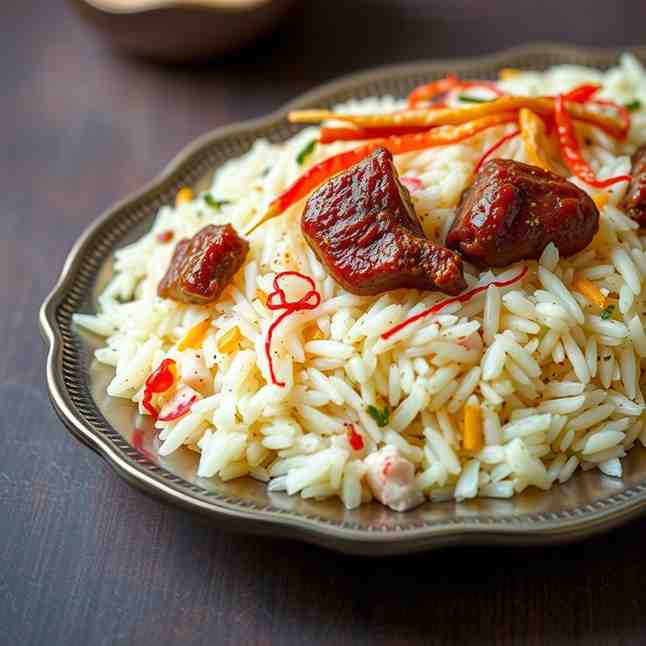
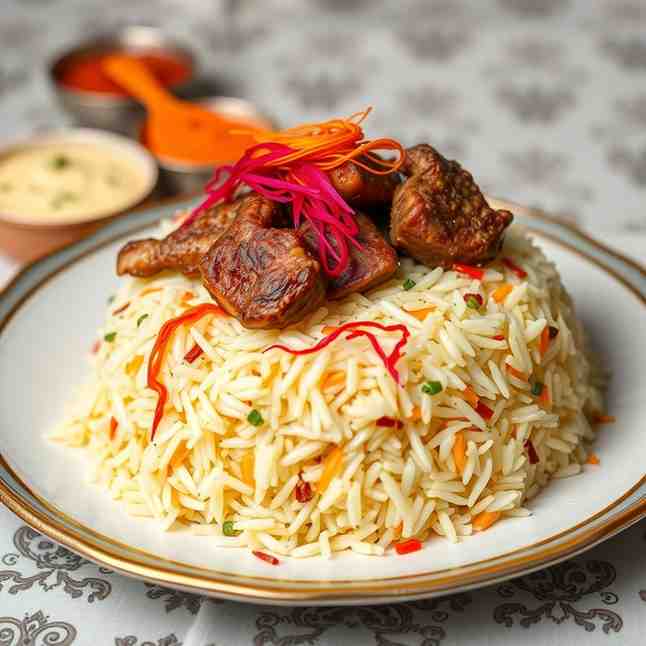
- Serves: 6 People
- Prepare Time: 45 minutes
- Cooking Time: 2 hours 30
- Calories: -
- Difficulty: Medium
Welcome, fellow food adventurers, to the dazzling world of Azerbaijani Shah Pilaf! Get ready to embark on a culinary journey to create a dish that's as grand as its name suggests: "King Pilaf." Imagine perfectly cooked, fragrant `saffron rice` layered with tender, savory `lamb` and a medley of sweet-tart `dried fruit` and crunchy nuts, all baked to golden perfection inside a spectacular `crispy lavash crown`. It's truly a showstopper!
This isn't just any `recipe pilaf rice`; this is the Shah Pilaf. We've crafted this version to be super clear and approachable, even if you’re new to Azerbaijani cuisine. We focus on easy-to-find US ingredients, precise timings, and step-by-step guidance to ensure your success. Forget overly complicated instructions or vague measurements – we’re here to make you feel like a culinary royalty yourself.
So, what are we getting into? This `baked rice` masterpiece involves a bit of hands-on time (about 45 minutes for prep) and a glorious bake, totaling around 3 hours and 15 minutes. It serves a generous 6-8 people, making it absolutely perfect for holidays, special weekend dinners, or any time you want to impress your guests (or just treat yourself!). While it might sound fancy, we promise the process is incredibly rewarding, and the results are truly unforgettable. Let's get cooking!
Before we dive into the kitchen, let's quickly chat about what makes Shah Plov so special. In Azerbaijani cuisine, Shah Plov, meaning "King Pilaf," is more than just a dish; it's a celebration. You'll find it gracing tables at weddings, New Year (Novruz) festivities, and other significant holidays. It stands apart from regular pilaf primarily due to its showstopping `gazmag` (crispy crust) made from lavash or flatbread, its rich, layered fillings, and its dramatic presentation. While we deeply respect tradition, our recipe offers honest adaptations for a US home kitchen, balancing authenticity with practicality, without ever sacrificing flavor.
To whip up your royal Shah Pilaf, gather these essentials:
Heavy, oven-safe pot or Dutch oven (a 4–5 quart size is ideal)
Fine-mesh strainer or colander
Medium saucepan for parboiling rice
Small bowl or mug for blooming saffron
Pastry brush for buttering lavash
Large serving platter for unmolding
Ingredients
Directions
- Rinse, Soak, and Parboil the Rice
- Rinse the Rice: Place your basmati rice in a fine-mesh strainer and rinse it under cold running water. Agitate the rice with your fingers until the water runs mostly clear. This removes excess starch, which helps prevent mushy rice.
- Soak the Rice: Transfer the rinsed rice to a large bowl, cover it with plenty of warm water, and add about 1 tablespoon of salt. Let it soak for at least 30 minutes, or up to 1 hour. Soaking helps the grains cook evenly.
- Parboil the Rice: Drain the soaked rice. Bring a large pot of generously salted water to a rolling boil. Add the drained rice and cook for 5-7 minutes. You're looking for the grains to be "al dente" – the edges should be translucent, but the center should still be opaque and slightly firm. A grain should bend but not break easily.
- Drain and Dry: Immediately drain the parboiled rice through your fine-mesh strainer. Gently spread it out on a clean baking sheet or large platter to allow it to steam dry for about 10-15 minutes. This prevents stickiness.
- Cook the Lamb and Dried Fruit Filling
- Brown the Onions: In your Dutch oven or oven-safe pot, heat 1 tablespoon of olive oil over medium heat. Add the sliced onions and cook, stirring occasionally, for 15-20 minutes until they are deeply golden brown and caramelized. This is crucial for flavor! Remove half of the browned onions and set aside for later layering.
- Sear the Lamb: Push the remaining onions to the side. Increase the heat to medium-high. Add the lamb cubes to the pot and sear them on all sides until nicely browned.
- Simmer the Lamb: Reduce the heat to medium. Stir in the cumin, cinnamon, optional turmeric, salt, and pepper. Cook for 1 minute until fragrant. Pour in 1 cup of broth or water, scraping up any browned bits from the bottom of the pot. Bring to a simmer, then cover and cook for 60-90 minutes, or until the lamb is very tender. Check occasionally and add a splash more liquid if it's drying out.
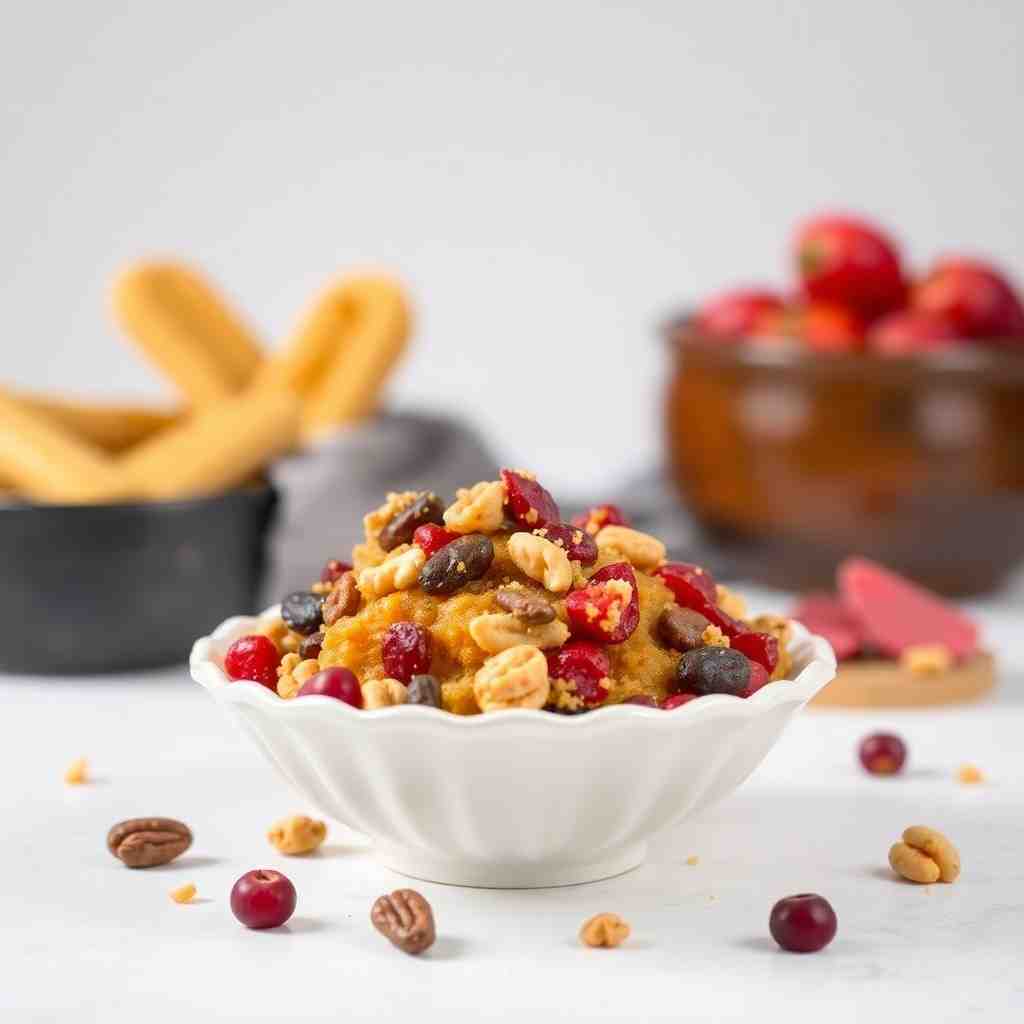
- Add Fruits & Nuts: Once the lamb is tender, stir in the barberries (or cranberries/cherries), raisins, apricots, prunes (if using), and toasted nuts. Cook for another 5-10 minutes, allowing the fruits to plump up slightly.
- Adjust Seasoning: Taste the filling. Adjust the sweetness and savoriness balance with a squeeze of fresh lemon juice or a tiny splash of mild vinegar. The sauce should be saucy but not soupy; if it's too liquid, remove the lid and simmer a bit longer to reduce. Remove the filling from the pot and set aside.
- Bloom the Saffron
- Prepare Saffron: If your saffron threads are whole, gently crumble them or grind them lightly with a mortar and pestle.
- Bloom: Place the saffron in a small bowl or mug. Pour 1/4 cup of hot (not boiling) water over the saffron. Let it sit for at least 10-15 minutes. The water will turn a beautiful deep orange or reddish-gold color, indicating the saffron has bloomed and released its flavor and color.
- Prepare the Lavash Crust (Gazmag)
- Preheat Oven: Preheat your oven to 375°F (190°C).
- Butter the Pot: Melt 1/4 cup of butter or ghee. Generously brush the bottom and sides of your Dutch oven with the melted butter.
- Line the Base: Take one full sheet of lavash bread. Carefully press it into the bottom of the buttered pot, ensuring it covers the entire base.
- Line the Sides: Cut additional lavash sheets into wide strips. Overlap these strips around the sides of the pot, letting them hang over the rim by several inches. You want enough overhang to fold over and seal the top later. Brush each piece of lavash generously with melted butter as you go, ensuring no dry spots to prevent sticking.
- Layer the Rice and Lamb Filling
- First Rice Layer: Gently mix the remaining 2 tablespoons of melted butter or ghee into the parboiled rice. Spoon about one-third of the rice into the bottom of the lavash-lined pot, spreading it evenly. Drizzle a little of the bloomed saffron water over this rice layer.
- Lamb Filling Layer: Spread half of the lamb and dried fruit mixture evenly over the rice.
- Repeat Layers: Add another one-third of the rice, drizzle with saffron water, then layer the remaining lamb and fruit mixture.
- Final Rice Layer: Top everything with the remaining rice, smoothing it gently. Drizzle with any remaining saffron water. Take the reserved browned onions and scatter them over the top rice layer.
- Close the Crown and Bake
- Seal the Crown: Carefully fold the overhanging lavash pieces over the top rice layer, creating a sealed "crown." If needed, use an extra piece of lavash to cover any gaps.
- Brush and Bake: Brush the entire top surface of the lavash crown generously with any remaining melted butter or ghee.
- Bake: Cover the Dutch oven tightly with its lid (or aluminum foil if your lid isn't oven-safe). Bake for 1 hour at 375°F (190°C).
- Crisp the Crust: After 1 hour, remove the lid (or foil). Continue baking for another 30-45 minutes, or until the lavash crust is deep golden brown and wonderfully crispy. Keep an eye on it – you want golden, not burnt!
- Rest: Once baked, remove the pot from the oven and let it rest, covered or uncovered, for 10-15 minutes. This allows the rice to settle and makes unmolding easier.
- Unmold and Serve
- Unmold Safely: Place a large, sturdy serving platter upside down over the top of your Dutch oven. Wearing oven mitts and holding both the pot and the platter firmly together, carefully and confidently invert the entire thing. The Shah Pilaf should slide out onto the platter, revealing its magnificent golden crust.
- Cut and Serve: Gently remove the Dutch oven. Admire your creation! To serve, use a sharp knife to cut wedges of the pilaf, ensuring each serving gets a piece of that glorious crispy crust (gazmag). Serve immediately with your chosen garnishes.
Shah Pilaf Recipe - Crown Rice with Lamb & Saffron – Bake Today
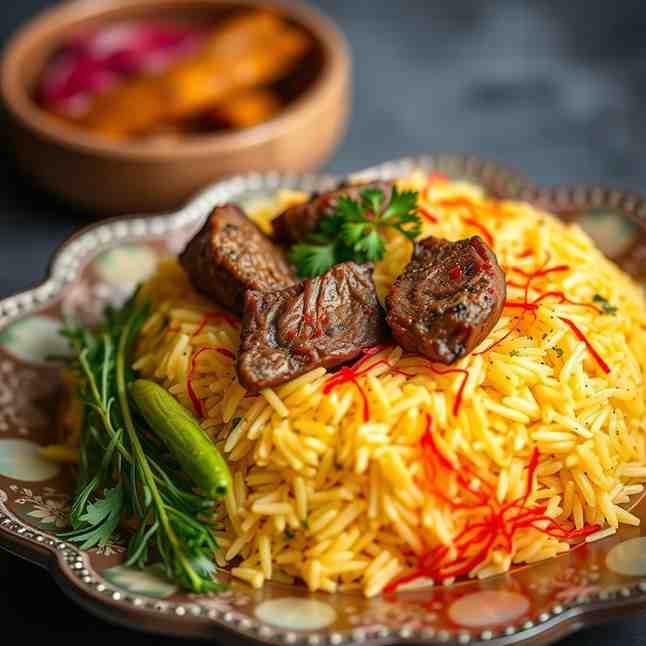
- Serves: 6 People
- Prepare Time: 45 minutes
- Cooking Time: 2 hours 30
- Calories: -
- Difficulty: Medium
Welcome, fellow food adventurers, to the dazzling world of Azerbaijani Shah Pilaf! Get ready to embark on a culinary journey to create a dish that's as grand as its name suggests: "King Pilaf." Imagine perfectly cooked, fragrant `saffron rice` layered with tender, savory `lamb` and a medley of sweet-tart `dried fruit` and crunchy nuts, all baked to golden perfection inside a spectacular `crispy lavash crown`. It's truly a showstopper!
This isn't just any `recipe pilaf rice`; this is the Shah Pilaf. We've crafted this version to be super clear and approachable, even if you’re new to Azerbaijani cuisine. We focus on easy-to-find US ingredients, precise timings, and step-by-step guidance to ensure your success. Forget overly complicated instructions or vague measurements – we’re here to make you feel like a culinary royalty yourself.
So, what are we getting into? This `baked rice` masterpiece involves a bit of hands-on time (about 45 minutes for prep) and a glorious bake, totaling around 3 hours and 15 minutes. It serves a generous 6-8 people, making it absolutely perfect for holidays, special weekend dinners, or any time you want to impress your guests (or just treat yourself!). While it might sound fancy, we promise the process is incredibly rewarding, and the results are truly unforgettable. Let's get cooking!
Before we dive into the kitchen, let's quickly chat about what makes Shah Plov so special. In Azerbaijani cuisine, Shah Plov, meaning "King Pilaf," is more than just a dish; it's a celebration. You'll find it gracing tables at weddings, New Year (Novruz) festivities, and other significant holidays. It stands apart from regular pilaf primarily due to its showstopping `gazmag` (crispy crust) made from lavash or flatbread, its rich, layered fillings, and its dramatic presentation. While we deeply respect tradition, our recipe offers honest adaptations for a US home kitchen, balancing authenticity with practicality, without ever sacrificing flavor.
To whip up your royal Shah Pilaf, gather these essentials:
Heavy, oven-safe pot or Dutch oven (a 4–5 quart size is ideal)
Fine-mesh strainer or colander
Medium saucepan for parboiling rice
Small bowl or mug for blooming saffron
Pastry brush for buttering lavash
Large serving platter for unmolding
Ingredients
Directions
- Rinse, Soak, and Parboil the Rice
- Rinse the Rice: Place your basmati rice in a fine-mesh strainer and rinse it under cold running water. Agitate the rice with your fingers until the water runs mostly clear. This removes excess starch, which helps prevent mushy rice.
- Soak the Rice: Transfer the rinsed rice to a large bowl, cover it with plenty of warm water, and add about 1 tablespoon of salt. Let it soak for at least 30 minutes, or up to 1 hour. Soaking helps the grains cook evenly.
- Parboil the Rice: Drain the soaked rice. Bring a large pot of generously salted water to a rolling boil. Add the drained rice and cook for 5-7 minutes. You're looking for the grains to be "al dente" – the edges should be translucent, but the center should still be opaque and slightly firm. A grain should bend but not break easily.
- Drain and Dry: Immediately drain the parboiled rice through your fine-mesh strainer. Gently spread it out on a clean baking sheet or large platter to allow it to steam dry for about 10-15 minutes. This prevents stickiness.
- Cook the Lamb and Dried Fruit Filling
- Brown the Onions: In your Dutch oven or oven-safe pot, heat 1 tablespoon of olive oil over medium heat. Add the sliced onions and cook, stirring occasionally, for 15-20 minutes until they are deeply golden brown and caramelized. This is crucial for flavor! Remove half of the browned onions and set aside for later layering.
- Sear the Lamb: Push the remaining onions to the side. Increase the heat to medium-high. Add the lamb cubes to the pot and sear them on all sides until nicely browned.
- Simmer the Lamb: Reduce the heat to medium. Stir in the cumin, cinnamon, optional turmeric, salt, and pepper. Cook for 1 minute until fragrant. Pour in 1 cup of broth or water, scraping up any browned bits from the bottom of the pot. Bring to a simmer, then cover and cook for 60-90 minutes, or until the lamb is very tender. Check occasionally and add a splash more liquid if it's drying out.
- Add Fruits & Nuts: Once the lamb is tender, stir in the barberries (or cranberries/cherries), raisins, apricots, prunes (if using), and toasted nuts. Cook for another 5-10 minutes, allowing the fruits to plump up slightly.
- Adjust Seasoning: Taste the filling. Adjust the sweetness and savoriness balance with a squeeze of fresh lemon juice or a tiny splash of mild vinegar. The sauce should be saucy but not soupy; if it's too liquid, remove the lid and simmer a bit longer to reduce. Remove the filling from the pot and set aside.
- Bloom the Saffron
- Prepare Saffron: If your saffron threads are whole, gently crumble them or grind them lightly with a mortar and pestle.
- Bloom: Place the saffron in a small bowl or mug. Pour 1/4 cup of hot (not boiling) water over the saffron. Let it sit for at least 10-15 minutes. The water will turn a beautiful deep orange or reddish-gold color, indicating the saffron has bloomed and released its flavor and color.
- Prepare the Lavash Crust (Gazmag)
- Preheat Oven: Preheat your oven to 375°F (190°C).
- Butter the Pot: Melt 1/4 cup of butter or ghee. Generously brush the bottom and sides of your Dutch oven with the melted butter.
- Line the Base: Take one full sheet of lavash bread. Carefully press it into the bottom of the buttered pot, ensuring it covers the entire base.
- Line the Sides: Cut additional lavash sheets into wide strips. Overlap these strips around the sides of the pot, letting them hang over the rim by several inches. You want enough overhang to fold over and seal the top later. Brush each piece of lavash generously with melted butter as you go, ensuring no dry spots to prevent sticking.
- Layer the Rice and Lamb Filling
- First Rice Layer: Gently mix the remaining 2 tablespoons of melted butter or ghee into the parboiled rice. Spoon about one-third of the rice into the bottom of the lavash-lined pot, spreading it evenly. Drizzle a little of the bloomed saffron water over this rice layer.
- Lamb Filling Layer: Spread half of the lamb and dried fruit mixture evenly over the rice.
- Repeat Layers: Add another one-third of the rice, drizzle with saffron water, then layer the remaining lamb and fruit mixture.
- Final Rice Layer: Top everything with the remaining rice, smoothing it gently. Drizzle with any remaining saffron water. Take the reserved browned onions and scatter them over the top rice layer.
- Close the Crown and Bake
- Seal the Crown: Carefully fold the overhanging lavash pieces over the top rice layer, creating a sealed "crown." If needed, use an extra piece of lavash to cover any gaps.
- Brush and Bake: Brush the entire top surface of the lavash crown generously with any remaining melted butter or ghee.
- Bake: Cover the Dutch oven tightly with its lid (or aluminum foil if your lid isn't oven-safe). Bake for 1 hour at 375°F (190°C).
- Crisp the Crust: After 1 hour, remove the lid (or foil). Continue baking for another 30-45 minutes, or until the lavash crust is deep golden brown and wonderfully crispy. Keep an eye on it – you want golden, not burnt!
- Rest: Once baked, remove the pot from the oven and let it rest, covered or uncovered, for 10-15 minutes. This allows the rice to settle and makes unmolding easier.
- Unmold and Serve
- Unmold Safely: Place a large, sturdy serving platter upside down over the top of your Dutch oven. Wearing oven mitts and holding both the pot and the platter firmly together, carefully and confidently invert the entire thing. The Shah Pilaf should slide out onto the platter, revealing its magnificent golden crust.
- Cut and Serve: Gently remove the Dutch oven. Admire your creation! To serve, use a sharp knife to cut wedges of the pilaf, ensuring each serving gets a piece of that glorious crispy crust (gazmag). Serve immediately with your chosen garnishes.
You may also like

Hey there! I’m just someone who seriously loves good food and believes that cooking doesn’t have to be complicated to be amazing. Whether it’s a quick weeknight dinner or a cozy weekend meal, I’m all about sharing easy, tasty recipes that actually work.