African Cuisine Recipes Soumbala Stew (Babenda) - Cook Now
African Cuisine Recipes Soumbala Stew (Babenda) - Cook Now
- Serves: 6 People
- Prepare Time: 25 minutes
- Cooking Time: 35 minutes
- Calories: -
- Difficulty: Easy
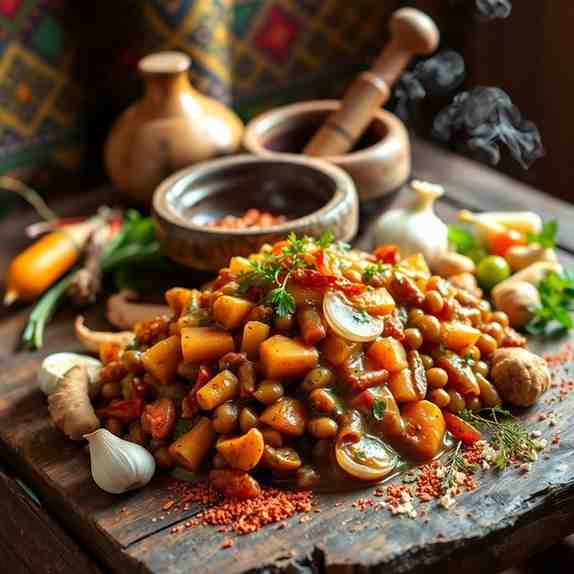
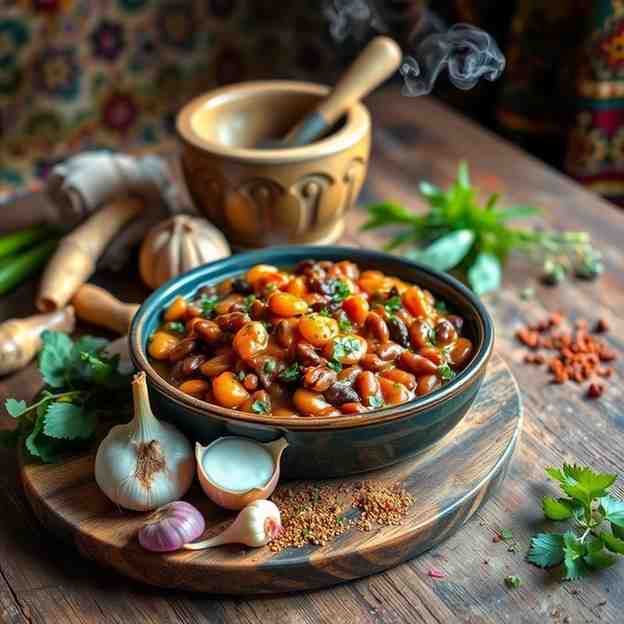
Have you ever stumbled upon a dish so unique, so deeply rooted in culture, that it completely reshapes your understanding of flavor? For me, that was the moment I first encountered Soumbala Stew, specifically the Babenda-style from Burkina Faso. This isn't just another meal; it's a vibrant journey into West African cuisine, a symphony of earthy greens, creamy peanuts, and the unforgettable umami depth of fermented locust beans. My first taste was a revelation – savory, funky in the best possible way (think blue cheese, but different!), and incredibly comforting. It felt like a warm hug from a faraway kitchen.
Inspired by traditional Babenda, a cherished Burkinabé one-pot dish, this recipe brings together bitter greens, rice, ground peanuts, soumbala, and often dried fish into a cohesive, soul-satisfying stew. In Burkina Faso, it’s typically enjoyed family-style, often alongside tô (a millet or sorghum porridge) or as a main rice dish. This recipe is your gateway to exploring authentic African cuisine recipes, tuned specifically so a US home cook can pull off this incredible, healthy, and savory stew on a weeknight. Get ready to elevate your cooking with one of the most unique and delicious African cuisine dishes you'll ever make!
Ingredients
Directions
- Prep the Greens Wash your chosen greens thoroughly. Strip away any tough stems from kale, collards, or chard. Roughly chop all the greens into bite-sized pieces. If using tougher greens, they’ll need a bit more cooking time, while tender spinach will wilt quickly.
- Make the Soumbala–Peanut–Rice Paste Rinse the long-grain white rice under cold water until it runs clear. In a blender or food processor (or a traditional mortar and pestle), combine the ground peanuts, dried fish (if using), and soumbala. Pulse a few times. Then, add about half of the rinsed rice and pulse again until you have a coarse, sandy mixture. Some rice grains should still be partly intact; this helps create that signature thick, porridge-like texture. The mixture should smell intensely savory and nutty.
- Sauté Aromatics and Greens Heat the neutral oil in a large pot or Dutch oven over medium heat. Add the chopped onion and sauté until softened, about 5-7 minutes. Stir in the minced garlic and cook for another minute until fragrant. Add the chopped greens to the pot. Sauté, stirring frequently, until they wilt down and reduce significantly in volume, about 8-10 minutes. If using very bitter greens, this is the moment to add a tiny pinch of baking soda or potash; it helps soften the bitterness and tenderize the greens.
- Build the Stew Base Stir in the chopped fresh tomato or tomato paste and cook for 2-3 minutes, allowing its flavors to meld. Now, add the soumbala–peanut–rice mix to the pot. Toast this mixture for a minute or two, stirring constantly, to bloom its deep flavors without letting it stick or burn. This step is crucial for developing the rich, earthy notes.
- Add Water and Simmer Pour in 6 cups of water or light vegetable/chicken stock. Stir everything together, making sure to scrape any bits from the bottom of the pot. Bring the stew to a gentle simmer. Once simmering, cover the pot, reduce the heat to low, and cook for 25-30 minutes. Stir occasionally to prevent sticking and ensure even cooking. The rice should be absorbing the liquid and beginning to break down.
- Adjust Texture & Seasoning After simmering, check the stew's consistency. It should be thick, scoopable, and cohesive, with the rice mostly tender and the greens soft. If it’s too thick, add a splash of hot water until it reaches your desired consistency. If it's too thin, simmer uncovered for a few more minutes, stirring, or mash a few spoonfuls of rice against the side of the pot to release more starch. Taste and adjust the seasoning with salt, black pepper, and chili. A squeeze of lemon or lime at this stage can also brighten the flavors.
- Serve This healthy protein dish is ready to enjoy! Serve your Soumbala Stew family-style in a large shared bowl, or divide into individual bowls. Garnish with suggested toppings like a sprinkle of crushed peanuts, a drizzle of fresh oil, thin slices of fresh chili, or a few sprigs of fresh herbs.
African Cuisine Recipes Soumbala Stew (Babenda) - Cook Now

- Serves: 6 People
- Prepare Time: 25 minutes
- Cooking Time: 35 minutes
- Calories: -
- Difficulty: Easy
Have you ever stumbled upon a dish so unique, so deeply rooted in culture, that it completely reshapes your understanding of flavor? For me, that was the moment I first encountered Soumbala Stew, specifically the Babenda-style from Burkina Faso. This isn't just another meal; it's a vibrant journey into West African cuisine, a symphony of earthy greens, creamy peanuts, and the unforgettable umami depth of fermented locust beans. My first taste was a revelation – savory, funky in the best possible way (think blue cheese, but different!), and incredibly comforting. It felt like a warm hug from a faraway kitchen.
Inspired by traditional Babenda, a cherished Burkinabé one-pot dish, this recipe brings together bitter greens, rice, ground peanuts, soumbala, and often dried fish into a cohesive, soul-satisfying stew. In Burkina Faso, it’s typically enjoyed family-style, often alongside tô (a millet or sorghum porridge) or as a main rice dish. This recipe is your gateway to exploring authentic African cuisine recipes, tuned specifically so a US home cook can pull off this incredible, healthy, and savory stew on a weeknight. Get ready to elevate your cooking with one of the most unique and delicious African cuisine dishes you'll ever make!
Ingredients
Directions
- Prep the Greens Wash your chosen greens thoroughly. Strip away any tough stems from kale, collards, or chard. Roughly chop all the greens into bite-sized pieces. If using tougher greens, they’ll need a bit more cooking time, while tender spinach will wilt quickly.
- Make the Soumbala–Peanut–Rice Paste Rinse the long-grain white rice under cold water until it runs clear. In a blender or food processor (or a traditional mortar and pestle), combine the ground peanuts, dried fish (if using), and soumbala. Pulse a few times. Then, add about half of the rinsed rice and pulse again until you have a coarse, sandy mixture. Some rice grains should still be partly intact; this helps create that signature thick, porridge-like texture. The mixture should smell intensely savory and nutty.
- Sauté Aromatics and Greens Heat the neutral oil in a large pot or Dutch oven over medium heat. Add the chopped onion and sauté until softened, about 5-7 minutes. Stir in the minced garlic and cook for another minute until fragrant. Add the chopped greens to the pot. Sauté, stirring frequently, until they wilt down and reduce significantly in volume, about 8-10 minutes. If using very bitter greens, this is the moment to add a tiny pinch of baking soda or potash; it helps soften the bitterness and tenderize the greens.
- Build the Stew Base Stir in the chopped fresh tomato or tomato paste and cook for 2-3 minutes, allowing its flavors to meld. Now, add the soumbala–peanut–rice mix to the pot. Toast this mixture for a minute or two, stirring constantly, to bloom its deep flavors without letting it stick or burn. This step is crucial for developing the rich, earthy notes.
- Add Water and Simmer Pour in 6 cups of water or light vegetable/chicken stock. Stir everything together, making sure to scrape any bits from the bottom of the pot. Bring the stew to a gentle simmer. Once simmering, cover the pot, reduce the heat to low, and cook for 25-30 minutes. Stir occasionally to prevent sticking and ensure even cooking. The rice should be absorbing the liquid and beginning to break down.
- Adjust Texture & Seasoning After simmering, check the stew's consistency. It should be thick, scoopable, and cohesive, with the rice mostly tender and the greens soft. If it’s too thick, add a splash of hot water until it reaches your desired consistency. If it's too thin, simmer uncovered for a few more minutes, stirring, or mash a few spoonfuls of rice against the side of the pot to release more starch. Taste and adjust the seasoning with salt, black pepper, and chili. A squeeze of lemon or lime at this stage can also brighten the flavors.
- Serve This healthy protein dish is ready to enjoy! Serve your Soumbala Stew family-style in a large shared bowl, or divide into individual bowls. Garnish with suggested toppings like a sprinkle of crushed peanuts, a drizzle of fresh oil, thin slices of fresh chili, or a few sprigs of fresh herbs.
The following nutritional values are per serving (one piece of cake) Calories ~520 kcal Protein ~22g Carbohydrates ~55g Fiber ~10g Fat ~25g Tools and ingredients that can help you cook more easily and consistently. Making a delicious, authentic meal like Soumbala Stew doesn't have to take all day. Here are a few clever hacks and tools to get this rich, flavorful dish on your table even faster. Problem: Grinding peanuts, dried fish, soumbala, and rice by hand in a mortar and pestle is traditional, but it's a serious workout and can take a lot of time. Problem: Washing, de-stemming, and chopping a large batch of leafy greens can be messy and time-consuming. Problem: Toasting and then grinding whole peanuts adds an extra step to the recipe. Click any ingredient for detailed nutritional information:Recipe Nutritional Values
Additional Information
Recipe Success Tips
Pro Tips, Variations & Storage
Ingredient Substitutions & Variations
Frequently Asked Questions
Recommended Kitchen Tools
Time-Saving Tools & Ingredients
A Powerful Blender or Food Processor
Agitate: Who wants tired arms when you could be enjoying the aromas of your stew? Skipping this step might mean a less cohesive, less flavorful paste.
Solution: A good quality blender or food processor makes quick work of creating that essential coarse, sandy mixture. Just a few pulses, and you're done, perfectly blending those key flavors and textures without the sweat.Pre-Washed & Pre-Chopped Greens
Agitate: After a long day, the last thing you want is a mountain of greens to prep before you even start cooking. This can deter you from making healthy, home-cooked meals.
Solution: Grab a bag of pre-washed and pre-chopped collards, kale, or a mixed greens blend from your grocery store. It shaves off significant prep time, getting you straight to the sautéing and simmering.Natural Peanut Butter
Agitate: While the flavor of freshly ground peanuts is fantastic, sometimes you just need a shortcut without compromising too much on taste or texture.
Solution: Opt for a good quality, unsweetened natural peanut butter (the kind with just peanuts and maybe salt). It provides the same nutty richness and helps thicken the stew, saving you the grinding step. Just be sure to use one without added sugars or oils.Calories per Ingredient
You may also like


Hey there! I’m just someone who seriously loves good food and believes that cooking doesn’t have to be complicated to be amazing. Whether it’s a quick weeknight dinner or a cozy weekend meal, I’m all about sharing easy, tasty recipes that actually work.