Calco Stoba Tender Aruban Conch Stew Recipe & Tips
Calco Stoba Tender Aruban Conch Stew Recipe & Tips

- Serves: 4 People
- Prepare Time: 25 minutes
- Cooking Time: 45 minutes
- Calories: -
- Difficulty: Medium
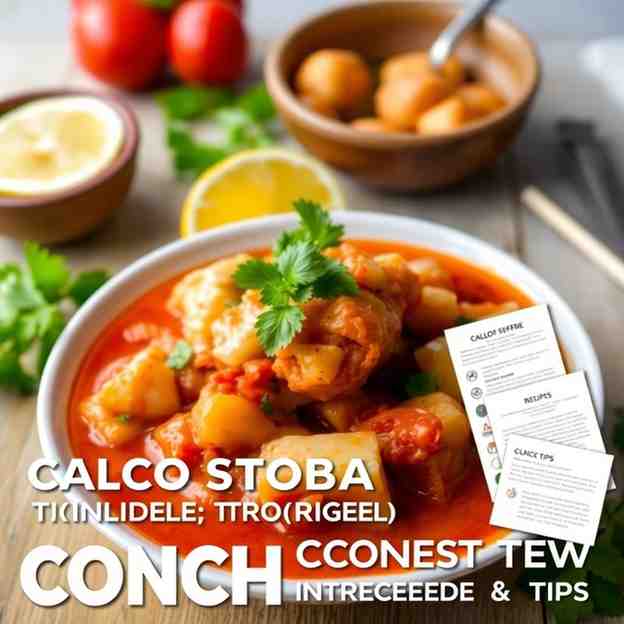
Welcome to the vibrant world of Aruban cuisine! Today, we're diving into a true island classic: Calco Stoba, or Aruban Conch Stew. This isn't just any stew; it’s a celebration of tender, flavorful conch simmered in a rich, comforting broth that will transport your taste buds straight to the sunny shores of Aruba. If you’ve ever shied away from cooking conch, prepare to be amazed. Our recipe focuses on a tested method that guarantees tender conch, not rubbery, every single time. It's a straightforward, pantry-friendly Caribbean stew that's perfect for both beginners and seasoned cooks looking for big, comforting flavors. Get ready to discover your new favorite one-pot island meal!
Ingredients
Directions
- Clean, Trim & Pound the Conch Rinse the conch meat thoroughly under cold water. Inspect it for any tough, dark, or rubbery parts and trim them away with a sharp knife. Place the conch between two sheets of plastic wrap or in a sturdy freezer bag. Using a meat mallet or the flat side of a heavy pan, pound the conch until it's about 1/4-inch thick and significantly tenderized. It should feel pliable, not springy. Cut the pounded conch into 1-inch pieces. Toss the conch pieces with white wine vinegar and let sit briefly while you prep other ingredients, about 10-15 minutes.
- Chop Your Vegetables & Get Everything Ready Dice your onion, green bell pepper, and fresh tomatoes (if using). Mince the garlic and gather your fresh or dried herbs and optional spices.
- Build the Flavor Base Melt butter or heat neutral oil in a large, heavy pot or Dutch oven over medium heat. Add the diced onion and green bell pepper. Sauté, stirring occasionally, until they soften and become fragrant, about 5-7 minutes. Add the minced garlic, thyme, bay leaf, and optional cumin or paprika. Cook for another minute until fragrant, being careful not to burn the garlic.
- Make the Stew Broth Stir in the diced tomatoes, chicken bouillon or stock, Maggi seasoning (if using), and your hot pepper or hot sauce. Bring the mixture to a gentle simmer. Reduce the heat to low, cover the pot, and cook for 15-20 minutes, allowing the flavors to meld and the tomatoes to break down. The stew should be saucy but not overly soupy; if it's too thick, add a splash more broth.
- Add the Conch & Simmer Gently Stir in the pounded, vinegar-rubbed conch pieces into the simmering stew. Keep the heat on a gentle simmer – a rolling boil will toughen the conch. Cover the pot and cook for 20-40 minutes, or until the conch is fork-tender. Test a piece occasionally; if it's still chewy, continue simmering on low heat in 5-10 minute increments until it reaches the desired tenderness.
- Taste, Adjust & Finish Remove the bay leaf and hot pepper (if using whole). Taste the stew and adjust seasonings as needed. Add more salt or pepper if desired. If it needs a little brightness, a small knob of butter or a splash of fresh lime juice can make a big difference.
- Serve
Ladle the hot Calco Stoba over steamed rice, with traditional Aruban pan bati (cornbread) or funchi (cornmeal mush) on the side. Garnish with fresh chopped parsley or cilantro and serve with lime wedges and extra hot sauce at the table for those who like more heat.
Calco Stoba Tender Aruban Conch Stew Recipe & Tips
- Serves: 4 People
- Prepare Time: 25 minutes
- Cooking Time: 45 minutes
- Calories: -
- Difficulty: Medium
Welcome to the vibrant world of Aruban cuisine! Today, we're diving into a true island classic: Calco Stoba, or Aruban Conch Stew. This isn't just any stew; it’s a celebration of tender, flavorful conch simmered in a rich, comforting broth that will transport your taste buds straight to the sunny shores of Aruba. If you’ve ever shied away from cooking conch, prepare to be amazed. Our recipe focuses on a tested method that guarantees tender conch, not rubbery, every single time. It's a straightforward, pantry-friendly Caribbean stew that's perfect for both beginners and seasoned cooks looking for big, comforting flavors. Get ready to discover your new favorite one-pot island meal!
Ingredients
Directions
- Clean, Trim & Pound the Conch Rinse the conch meat thoroughly under cold water. Inspect it for any tough, dark, or rubbery parts and trim them away with a sharp knife. Place the conch between two sheets of plastic wrap or in a sturdy freezer bag. Using a meat mallet or the flat side of a heavy pan, pound the conch until it's about 1/4-inch thick and significantly tenderized. It should feel pliable, not springy. Cut the pounded conch into 1-inch pieces. Toss the conch pieces with white wine vinegar and let sit briefly while you prep other ingredients, about 10-15 minutes.
- Chop Your Vegetables & Get Everything Ready Dice your onion, green bell pepper, and fresh tomatoes (if using). Mince the garlic and gather your fresh or dried herbs and optional spices.
- Build the Flavor Base Melt butter or heat neutral oil in a large, heavy pot or Dutch oven over medium heat. Add the diced onion and green bell pepper. Sauté, stirring occasionally, until they soften and become fragrant, about 5-7 minutes. Add the minced garlic, thyme, bay leaf, and optional cumin or paprika. Cook for another minute until fragrant, being careful not to burn the garlic.
- Make the Stew Broth Stir in the diced tomatoes, chicken bouillon or stock, Maggi seasoning (if using), and your hot pepper or hot sauce. Bring the mixture to a gentle simmer. Reduce the heat to low, cover the pot, and cook for 15-20 minutes, allowing the flavors to meld and the tomatoes to break down. The stew should be saucy but not overly soupy; if it's too thick, add a splash more broth.
- Add the Conch & Simmer Gently Stir in the pounded, vinegar-rubbed conch pieces into the simmering stew. Keep the heat on a gentle simmer – a rolling boil will toughen the conch. Cover the pot and cook for 20-40 minutes, or until the conch is fork-tender. Test a piece occasionally; if it's still chewy, continue simmering on low heat in 5-10 minute increments until it reaches the desired tenderness.
- Taste, Adjust & Finish Remove the bay leaf and hot pepper (if using whole). Taste the stew and adjust seasonings as needed. Add more salt or pepper if desired. If it needs a little brightness, a small knob of butter or a splash of fresh lime juice can make a big difference.
- Serve
Ladle the hot Calco Stoba over steamed rice, with traditional Aruban pan bati (cornbread) or funchi (cornmeal mush) on the side. Garnish with fresh chopped parsley or cilantro and serve with lime wedges and extra hot sauce at the table for those who like more heat.
The following nutritional values are per serving (one piece of cake) Calories ~350-450 kcal per serving Carbohydrates ~20-30g per serving Protein ~30-40g per serving Fat ~15-25g per serving Time-Saving Tools & Ingredients Sometimes, you just want to get that delicious Calco Stoba on the table a little faster without compromising on flavor. Here are a few recommendations to shave off some prep time: ### Problem: Tough Conch Meat Agitate: Finding fresh conch can be a challenge depending on your location, and then cleaning and trimming it adds another layer of effort before you even start pounding. Click any ingredient for detailed nutritional information:Recipe Nutritional Values
Additional Information
Recipe Success Tips
Ingredient Substitutions & Variations
Make-Ahead & Storage Instructions
Expert Tips for Tender, Flavorful Conch
Frequently Asked Questions
Recommended Kitchen Tools
pre-cleaned and trimmed frozen conch
Solution: Opt for pre-cleaned and trimmed frozen conch if available and responsibly sourced. Many Asian or Caribbean markets carry it. While fresh is always wonderful, a good quality frozen conch can save you a significant amount of time on initial preparation, letting you jump straight to the tenderizing and cooking steps.Calories per Ingredient
You may also like



Hey there! I’m just someone who seriously loves good food and believes that cooking doesn’t have to be complicated to be amazing. Whether it’s a quick weeknight dinner or a cozy weekend meal, I’m all about sharing easy, tasty recipes that actually work.