Andorran Lamb Stew Xai a la Cervesa Recipe
Andorran Lamb Stew Xai a la Cervesa Recipe


- Serves: 4 People
- Prepare Time: 20 minutes
- Cooking Time: 3 hours
- Calories: -
- Difficulty: Easy
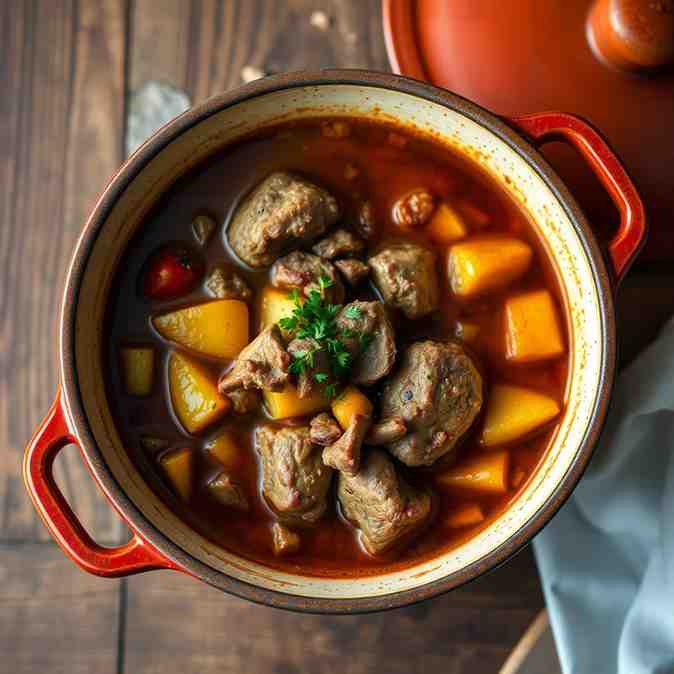
Get ready to dive into a bowl of pure comfort! Imagine slow-cooked lamb, fall-apart tender, bathed in a rich, glossy gravy that tastes like a hug. That's exactly what you're making with our Andorran lamb stew with beer, also known as Xai a la Cervesa. This dish takes the rustic charm of traditional Balearic/Catalan flavors and brings them right into your US home kitchen, transforming humble lamb stew meat into something truly extraordinary.
This isn't just any stew with beer; it's a deep, savory experience with subtle malty notes from the beer, brightened by fresh rosemary and garlic. The lamb for slow cooking becomes incredibly silky, practically melting in your mouth, while the sauce develops an irresistible depth you'll want to sop up with every last piece of crusty bread. Perfect for a cozy weekend dinner, a special holiday meal, or even an impressive date night, this braised dish is designed to impress without demanding all your time.
Here's a quick peek at what makes this simple lamb stew recipe a must-try:
Recommended sides: Creamy mashed potatoes, polenta, or a hearty loaf of crusty bread are ideal for soaking up all that delicious gravy.
Ingredients
Directions
- Prep Your Lamb & Veggies (15 minutes): Pat the lamb shanks super dry with paper towels; this helps them brown better. Trim off any really thick pieces of surface fat. Season them generously all over with salt and pepper. Roughly chop your onion, carrots, and celery. Mince the garlic and strip the rosemary leaves from the stems. Measure out your beer and stock so they're ready to go.
- Brown the Lamb Shanks (10-15 minutes): Heat the light olive oil in a heavy Dutch oven or oven-safe pot over medium-high heat until shimmering. Sear the lamb shanks in batches (don't overcrowd the pot!) until they're deeply golden brown on all sides – we're talking a beautiful, deep crust, not just greyed. This step is crucial for building incredible flavor. Transfer the browned shanks to a plate and set aside.
- Build the Flavor Base (8-10 minutes): Reduce the heat to medium. Add the diced pancetta or bacon to the same pot and cook until it's lightly crisp and has rendered some of its fat, about 5-7 minutes. Remove the pancetta/bacon with a slotted spoon and set aside (you can save it for garnish or snack on it!). Leave about 1-2 tablespoons of fat in the pot, draining any excess. Add the chopped onion, carrot, and celery to the pot. Cook, stirring occasionally, until they're softened and just starting to turn golden, about 5-7 minutes. Stir in the minced garlic and fresh rosemary and cook for just 30-60 seconds more, until fragrant. Don't let the garlic burn!
- Deglaze with Beer (5-7 minutes): Pour in the beer, scraping up all those delicious browned bits (fond) from the bottom of the pot with a wooden spoon. Bring the beer to a simmer and let it reduce by about half, until it's slightly syrupy and the bubbles are slower and larger. This helps to concentrate the flavor and cook off some of the alcohol.
- Add Stock & Start the Braise (5 minutes): Return the browned lamb shanks to the pot, nestling them in a single, snug layer. Pour in the beef or chicken stock until it comes about two-thirds of the way up the shanks – they shouldn't be fully submerged. Bring the liquid to a gentle simmer on the stovetop.
- Braise Until Fall-Apart Tender (2-3 hours): Cover the Dutch oven tightly with its lid and transfer it to a preheated oven at 325°F (160°C). Braise for 2 to 3 hours, or until the lamb shanks are incredibly tender. You'll know they're done when the meat pulls back easily from the bone and a fork slides in with almost no resistance. They should feel jiggly and ready to fall apart. If they're still firm, simply put the lid back on and continue braising in 20-minute increments until they reach that perfect tenderness.
- Finish the Sauce (10-15 minutes): Carefully remove the lamb shanks from the pot and place them on a warm platter. Tent them loosely with foil to keep them warm while you finish the sauce. Skim off any excess fat from the surface of the braising liquid in the pot. Place the pot back on the stovetop over medium-high heat and bring the sauce to a simmer. Reduce the sauce uncovered until it's lightly thickened and glossy, about 10-15 minutes. It should coat the back of a spoon. Taste the sauce and adjust seasoning with salt and pepper. If it tastes a little bitter from the beer, stir in a tiny touch of honey or brown sugar. For an extra glossy finish, whisk in a tablespoon of cold butter just before serving.
- Serve (2 minutes): Spoon the rich, flavorful sauce generously over the lamb shanks and your chosen sides. Garnish with fresh parsley or chives, and a tiny sprinkle of lemon zest, if desired. Enjoy!
Andorran Lamb Stew Xai a la Cervesa Recipe
- Serves: 4 People
- Prepare Time: 20 minutes
- Cooking Time: 3 hours
- Calories: -
- Difficulty: Easy
Get ready to dive into a bowl of pure comfort! Imagine slow-cooked lamb, fall-apart tender, bathed in a rich, glossy gravy that tastes like a hug. That's exactly what you're making with our Andorran lamb stew with beer, also known as Xai a la Cervesa. This dish takes the rustic charm of traditional Balearic/Catalan flavors and brings them right into your US home kitchen, transforming humble lamb stew meat into something truly extraordinary.
This isn't just any stew with beer; it's a deep, savory experience with subtle malty notes from the beer, brightened by fresh rosemary and garlic. The lamb for slow cooking becomes incredibly silky, practically melting in your mouth, while the sauce develops an irresistible depth you'll want to sop up with every last piece of crusty bread. Perfect for a cozy weekend dinner, a special holiday meal, or even an impressive date night, this braised dish is designed to impress without demanding all your time.
Here's a quick peek at what makes this simple lamb stew recipe a must-try:
Recommended sides: Creamy mashed potatoes, polenta, or a hearty loaf of crusty bread are ideal for soaking up all that delicious gravy.
Ingredients
Directions
- Prep Your Lamb & Veggies (15 minutes): Pat the lamb shanks super dry with paper towels; this helps them brown better. Trim off any really thick pieces of surface fat. Season them generously all over with salt and pepper. Roughly chop your onion, carrots, and celery. Mince the garlic and strip the rosemary leaves from the stems. Measure out your beer and stock so they're ready to go.
- Brown the Lamb Shanks (10-15 minutes): Heat the light olive oil in a heavy Dutch oven or oven-safe pot over medium-high heat until shimmering. Sear the lamb shanks in batches (don't overcrowd the pot!) until they're deeply golden brown on all sides – we're talking a beautiful, deep crust, not just greyed. This step is crucial for building incredible flavor. Transfer the browned shanks to a plate and set aside.
- Build the Flavor Base (8-10 minutes): Reduce the heat to medium. Add the diced pancetta or bacon to the same pot and cook until it's lightly crisp and has rendered some of its fat, about 5-7 minutes. Remove the pancetta/bacon with a slotted spoon and set aside (you can save it for garnish or snack on it!). Leave about 1-2 tablespoons of fat in the pot, draining any excess. Add the chopped onion, carrot, and celery to the pot. Cook, stirring occasionally, until they're softened and just starting to turn golden, about 5-7 minutes. Stir in the minced garlic and fresh rosemary and cook for just 30-60 seconds more, until fragrant. Don't let the garlic burn!
- Deglaze with Beer (5-7 minutes): Pour in the beer, scraping up all those delicious browned bits (fond) from the bottom of the pot with a wooden spoon. Bring the beer to a simmer and let it reduce by about half, until it's slightly syrupy and the bubbles are slower and larger. This helps to concentrate the flavor and cook off some of the alcohol.
- Add Stock & Start the Braise (5 minutes): Return the browned lamb shanks to the pot, nestling them in a single, snug layer. Pour in the beef or chicken stock until it comes about two-thirds of the way up the shanks – they shouldn't be fully submerged. Bring the liquid to a gentle simmer on the stovetop.
- Braise Until Fall-Apart Tender (2-3 hours): Cover the Dutch oven tightly with its lid and transfer it to a preheated oven at 325°F (160°C). Braise for 2 to 3 hours, or until the lamb shanks are incredibly tender. You'll know they're done when the meat pulls back easily from the bone and a fork slides in with almost no resistance. They should feel jiggly and ready to fall apart. If they're still firm, simply put the lid back on and continue braising in 20-minute increments until they reach that perfect tenderness.
- Finish the Sauce (10-15 minutes): Carefully remove the lamb shanks from the pot and place them on a warm platter. Tent them loosely with foil to keep them warm while you finish the sauce. Skim off any excess fat from the surface of the braising liquid in the pot. Place the pot back on the stovetop over medium-high heat and bring the sauce to a simmer. Reduce the sauce uncovered until it's lightly thickened and glossy, about 10-15 minutes. It should coat the back of a spoon. Taste the sauce and adjust seasoning with salt and pepper. If it tastes a little bitter from the beer, stir in a tiny touch of honey or brown sugar. For an extra glossy finish, whisk in a tablespoon of cold butter just before serving.
- Serve (2 minutes): Spoon the rich, flavorful sauce generously over the lamb shanks and your chosen sides. Garnish with fresh parsley or chives, and a tiny sprinkle of lemon zest, if desired. Enjoy!
The following nutritional values are per serving (one piece of cake) Calories ~550-650 kcal Protein ~50-60g Fat ~30-40g Carbohydrates ~10-15g Making a dish like Andorran lamb stew with beer can feel like a big undertaking, but with a few smart tools and ingredient choices, you can shave off precious minutes and make the process smoother. Here are some of our top picks: Problem: Chopping onions, carrots, and celery (the "mirepoix" or "soffritto") can be tedious and time-consuming, especially if you're aiming for a fine, even dice. Problem: After hours of slow cooking, your delicious braising liquid can accumulate a layer of fat, which, while flavorful, might make the sauce feel greasy. Skimming it with a spoon can be a bit of a dance. Problem: Even with a food processor, there's still the peeling and initial rough chop. Sometimes, you just want to get dinner on the table with minimal fuss. Click any ingredient for detailed nutritional information:Recipe Nutritional Values
Additional Information
Recipe Success Tips
Ingredient Substitutions & Variations
Cultural Variations
Make-Ahead & Storage Instructions
Frequently Asked Questions
Recommended Kitchen Tools
Food Processor for Quick Veggie Prep
Agitate: Unevenly chopped veggies cook at different rates, which can mess with the texture and flavor of your sauce. Plus, who wants teary eyes from chopping onions for ages?
Solution: A food processor can blitz your aromatics into perfectly uniform pieces in seconds. Just a few pulses, and your flavor base is ready to hit the pot, saving your knife skills for another day.Fat Separator for a Cleaner Sauce
Agitate: Trying to painstakingly spoon off fat can be tricky, often leading to you accidentally scooping up too much precious sauce along with it.
Solution: A fat separator pitcher makes this task a breeze. Simply pour your braising liquid into it, and the fat rises to the top, allowing you to pour the rich, flavorful, and much cleaner sauce from the bottom.Pre-Chopped Mirepoix
Agitate: Life gets busy! When you're short on time or energy, the thought of all that prep work can make you reach for takeout instead of a home-cooked meal.
Solution: Many grocery stores offer pre-chopped mirepoix (a mix of onion, carrot, and celery) in the produce section. It's a fantastic shortcut that lets you jump straight to building your flavor base without any chopping at all. Just open the bag and toss it in!Calories per Ingredient
You may also like


Hey there! I’m just someone who seriously loves good food and believes that cooking doesn’t have to be complicated to be amazing. Whether it’s a quick weeknight dinner or a cozy weekend meal, I’m all about sharing easy, tasty recipes that actually work.