Akara Seasoned Black Eyed Peas Fritters
Akara Seasoned Black Eyed Peas Fritters
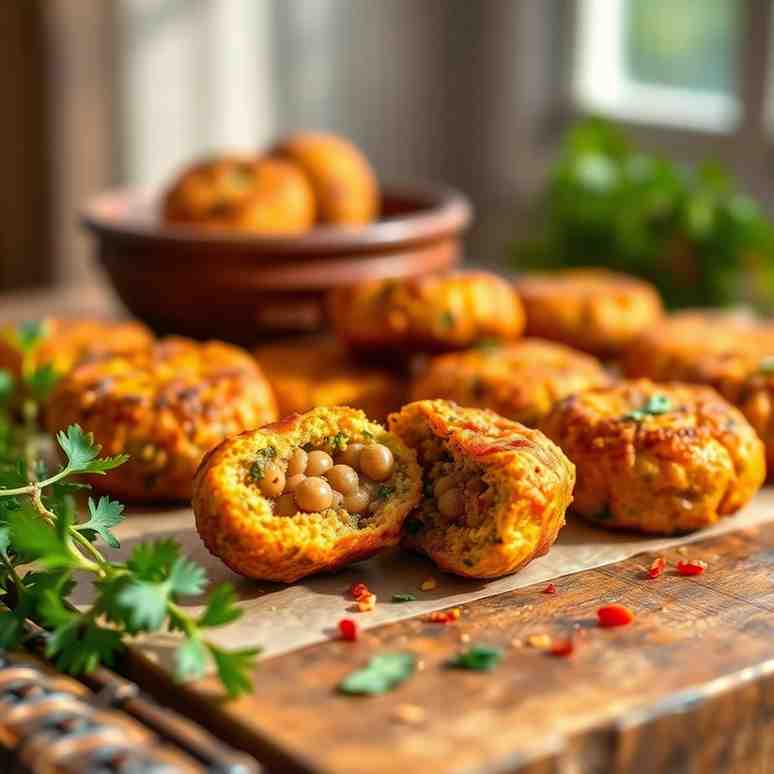
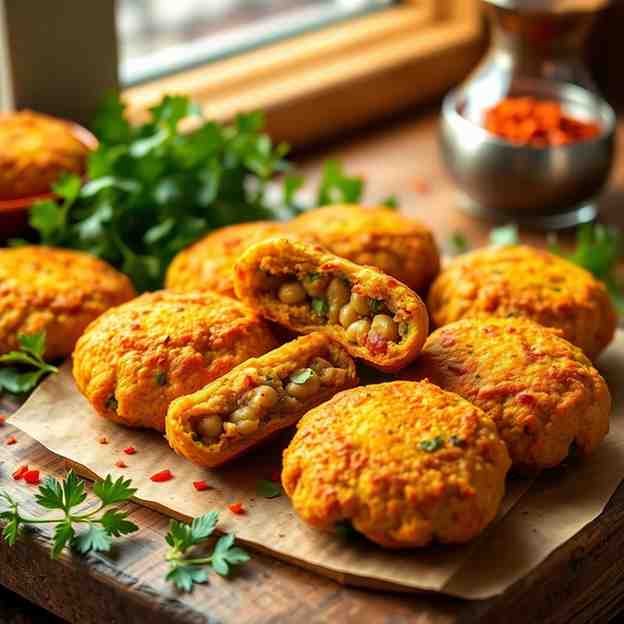
- Serves: 4 People
- Prepare Time: 60 minutes
- Cooking Time: 20 minutes
- Calories: -
- Difficulty: Medium
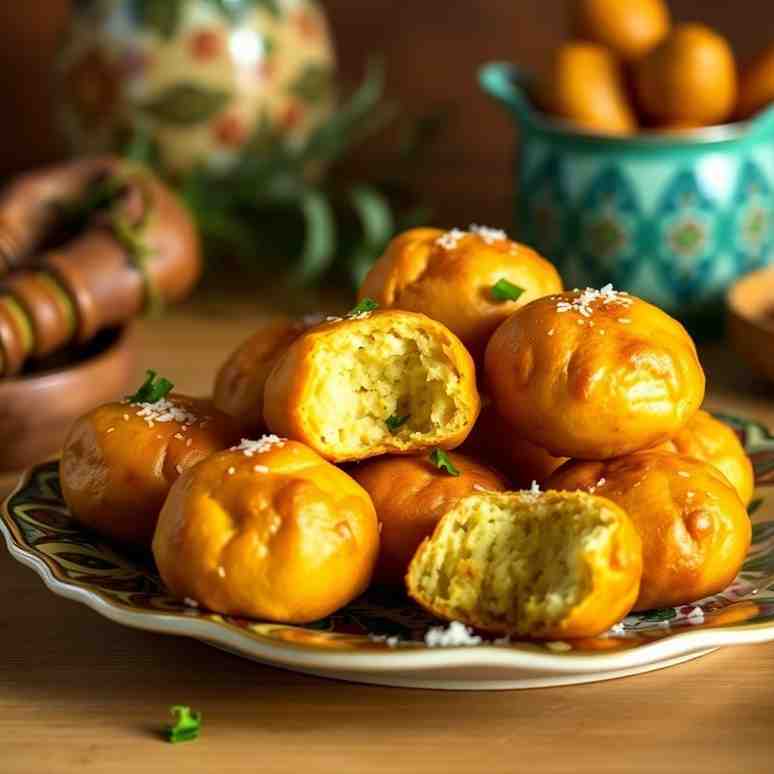
Get ready to bring a taste of West Africa right into your kitchen! Imagine a snack that’s perfectly crispy on the outside, wonderfully soft on the inside, and packed with savory flavor. That’s Akara for you – a classic West African street snack that’s absolutely addictive. These Burkina Faso–style niébé fritters are close cousins of Nigerian akara – same black-eyed peas, same addictive crunch – but with a Sahel twist that’s easy to recreate in a US kitchen.
In this guide, you’ll learn how to:
Prepare authentic Akara from Burkina Faso at home, just like they do on the bustling streets.
Use dried, fresh, or canned black-eyed peas the right way to get the best results.
Turn these delicious fritters into a better-for-you, high-protein snack that's surprisingly satisfying.
Adapt the fritters to different dietary needs, whether you're looking for gluten-free, vegan, or nut-free options.
Understand the traditional ingredients and method step by step, ensuring your Akara comes out perfect every time.
Ready to dive into the savory world of seasoned black eyed peas? Let's get cooking!
Ingredients
Directions
- Soak and Loosen the Skins First things first, let’s prep those black-eyed peas. Give your dried black-eyed peas a good rinse under cool water and pick out any little bits of debris. Then, soak them in cool water for about 30-60 minutes. This short soak helps to soften the skins, making them much easier to remove. If you’re in a hurry, you can pulse the peas briefly with a little water in your blender – this helps crack the skins open.
- Peel / Deskin the Niébé Now for the fun part: peeling! There are a couple of ways to do this. You can rub the soaked peas vigorously between your palms under running water, or you can use the pulse-and-wash method in your blender. The idea is to agitate the peas, which loosens the skins. As the skins come off, they’ll float to the top. Pour off the floating skins, refill with fresh water, and repeat this process several times until most of the skins are gone. Don’t worry about perfection – a few skins here and there are totally fine and won't ruin your fritters.
- Blend the Batter Once your peas are mostly deskin, drain them really well. Add the drained peas to your blender or food processor along with the roughly chopped onion, your fresh chile, and just a tiny bit of water to get things moving. You’re aiming for a thick, smooth paste – the batter should be thick enough to hold its shape on a spoon. This is crucial! A common mistake is adding too much water, which leads to heavy, flat fritters instead of light, fluffy ones. Start with less water and add tiny splashes only if absolutely necessary.
- Whip to Incorporate Air Transfer your thick pea batter into a large bowl or the bowl of a stand mixer. Now, it’s time to get some air into it! Using a whisk, a wooden spoon, or your mixer, whip the batter vigorously for several minutes. You’ll notice it getting lighter in color and much fluffier – this aeration is key to those airy, delightful Akara fritters. Towards the end of whipping, fold in your salt. Adding salt too early can sometimes hinder the batter from getting as fluffy, so timing it this way is a little pro trick!
- Heat the Oil Grab a deep, heavy pot or a Dutch oven and fill it with a few inches of neutral oil. Heat the oil over medium-high heat until it reaches a temperature between 340–360°F (170–180°C). If you don’t have a kitchen thermometer, no worries! Just drop a tiny bit of batter into the hot oil. It should sizzle immediately and float to the surface within a few seconds. If it sinks or doesn't sizzle, the oil isn't hot enough. If it browns too quickly, it's too hot.
- Fry the Fritters Once your oil is perfectly hot, scoop small spoonfuls of the Akara batter and gently slide them into the hot oil. Be careful not to overcrowd the pot – fry in batches to maintain the oil temperature and ensure even cooking. Let them fry for a few minutes on one side until golden brown, then carefully turn them over with a slotted spoon or spider and continue frying until they are golden brown all over and cooked through.
- Taste & Adjust As soon as your first batch is ready, transfer them to a paper-towel-lined tray to drain. This is your chance to taste-test! Break one open, let it cool slightly, and check for salt and spice. If needed, you can adjust the seasoning in your remaining batter before frying the rest of your batches. Enjoy the process and the delicious results!
Akara Seasoned Black Eyed Peas Fritters

- Serves: 4 People
- Prepare Time: 60 minutes
- Cooking Time: 20 minutes
- Calories: -
- Difficulty: Medium
Get ready to bring a taste of West Africa right into your kitchen! Imagine a snack that’s perfectly crispy on the outside, wonderfully soft on the inside, and packed with savory flavor. That’s Akara for you – a classic West African street snack that’s absolutely addictive. These Burkina Faso–style niébé fritters are close cousins of Nigerian akara – same black-eyed peas, same addictive crunch – but with a Sahel twist that’s easy to recreate in a US kitchen.
In this guide, you’ll learn how to:
Prepare authentic Akara from Burkina Faso at home, just like they do on the bustling streets.
Use dried, fresh, or canned black-eyed peas the right way to get the best results.
Turn these delicious fritters into a better-for-you, high-protein snack that's surprisingly satisfying.
Adapt the fritters to different dietary needs, whether you're looking for gluten-free, vegan, or nut-free options.
Understand the traditional ingredients and method step by step, ensuring your Akara comes out perfect every time.
Ready to dive into the savory world of seasoned black eyed peas? Let's get cooking!
Ingredients
Directions
- Soak and Loosen the Skins First things first, let’s prep those black-eyed peas. Give your dried black-eyed peas a good rinse under cool water and pick out any little bits of debris. Then, soak them in cool water for about 30-60 minutes. This short soak helps to soften the skins, making them much easier to remove. If you’re in a hurry, you can pulse the peas briefly with a little water in your blender – this helps crack the skins open.
- Peel / Deskin the Niébé Now for the fun part: peeling! There are a couple of ways to do this. You can rub the soaked peas vigorously between your palms under running water, or you can use the pulse-and-wash method in your blender. The idea is to agitate the peas, which loosens the skins. As the skins come off, they’ll float to the top. Pour off the floating skins, refill with fresh water, and repeat this process several times until most of the skins are gone. Don’t worry about perfection – a few skins here and there are totally fine and won't ruin your fritters.
- Blend the Batter Once your peas are mostly deskin, drain them really well. Add the drained peas to your blender or food processor along with the roughly chopped onion, your fresh chile, and just a tiny bit of water to get things moving. You’re aiming for a thick, smooth paste – the batter should be thick enough to hold its shape on a spoon. This is crucial! A common mistake is adding too much water, which leads to heavy, flat fritters instead of light, fluffy ones. Start with less water and add tiny splashes only if absolutely necessary.
- Whip to Incorporate Air Transfer your thick pea batter into a large bowl or the bowl of a stand mixer. Now, it’s time to get some air into it! Using a whisk, a wooden spoon, or your mixer, whip the batter vigorously for several minutes. You’ll notice it getting lighter in color and much fluffier – this aeration is key to those airy, delightful Akara fritters. Towards the end of whipping, fold in your salt. Adding salt too early can sometimes hinder the batter from getting as fluffy, so timing it this way is a little pro trick!
- Heat the Oil Grab a deep, heavy pot or a Dutch oven and fill it with a few inches of neutral oil. Heat the oil over medium-high heat until it reaches a temperature between 340–360°F (170–180°C). If you don’t have a kitchen thermometer, no worries! Just drop a tiny bit of batter into the hot oil. It should sizzle immediately and float to the surface within a few seconds. If it sinks or doesn't sizzle, the oil isn't hot enough. If it browns too quickly, it's too hot.
- Fry the Fritters Once your oil is perfectly hot, scoop small spoonfuls of the Akara batter and gently slide them into the hot oil. Be careful not to overcrowd the pot – fry in batches to maintain the oil temperature and ensure even cooking. Let them fry for a few minutes on one side until golden brown, then carefully turn them over with a slotted spoon or spider and continue frying until they are golden brown all over and cooked through.
- Taste & Adjust As soon as your first batch is ready, transfer them to a paper-towel-lined tray to drain. This is your chance to taste-test! Break one open, let it cool slightly, and check for salt and spice. If needed, you can adjust the seasoning in your remaining batter before frying the rest of your batches. Enjoy the process and the delicious results!
The following nutritional values are per serving (one piece of cake) Calories 280-350 kcal Carbohydrates 25-30g Protein 10-12g Fat 15-20g Making authentic Akara can feel like a bit of a project, especially if it's your first time. But don't worry! With a few smart tools and ingredient choices, you can shave off some precious minutes and make the process smoother, getting those delicious fritters into your belly faster. Problem: Peeling all those black-eyed peas by hand and then getting them into a super smooth batter can be quite the arm workout and a major time suck. Problem: After blending, the batter needs a good, vigorous whipping to incorporate air and make your Akara light and fluffy. Doing this by hand with a whisk or wooden spoon can leave your arm feeling like jelly. Problem: Frying Akara perfectly depends on having your oil at just the right temperature. Guessing can lead to fritters that are either burnt on the outside and raw in the middle, or greasy and heavy because the oil wasn't hot enough. Click any ingredient for detailed nutritional information:Recipe Nutritional Values
Additional Information
Recipe Success Tips
Ingredient Substitutions & Variations
Cultural Variations
Make-Ahead & Storage Instructions
Frequently Asked Questions
Recommended Kitchen Tools
Blender or Food Processor
Agitate: If your batter isn't smooth and consistent, your Akara might end up lumpy or not cook evenly, which is definitely not the crispy-on-the-outside, fluffy-on-the-inside experience we're aiming for.
Solution: A powerful blender or food processor is your best friend here! It makes quick work of both cracking the bean skins (if you use the quick soak method) and blending them into that perfect, velvety paste. This saves you tons of effort and ensures your batter is just right.Stand Mixer or Hand Mixer
Agitate: An under-whipped batter is a common culprit for dense, heavy fritters that don't float and just aren't as enjoyable. Who wants a flat fritter when you can have a puffy one?
Solution: Let technology do the heavy lifting! An electric stand mixer or a sturdy hand mixer will effortlessly aerate your Akara batter in minutes, giving you that beautiful, light consistency without any of the manual strain.Kitchen Thermometer
Agitate: Ruined batches are frustrating and a waste of your precious ingredients and time. You want golden-brown perfection, not a frying disaster!
Solution: A simple kitchen thermometer takes all the guesswork out of frying. It ensures your oil is consistently in the sweet spot (around 340-360°F), guaranteeing beautifully cooked Akara every single time – crispy, golden, and cooked through without being greasy.Calories per Ingredient
You may also like

Hey there! I’m just someone who seriously loves good food and believes that cooking doesn’t have to be complicated to be amazing. Whether it’s a quick weeknight dinner or a cozy weekend meal, I’m all about sharing easy, tasty recipes that actually work.