Crispy Afghan Sambosa Best Snacks with Ground Beef
Crispy Afghan Sambosa Best Snacks with Ground Beef
- Serves: 12 People
- Prepare Time: 45 minutes
- Cooking Time: 25 minutes
- Calories: 220
- Difficulty: Medium
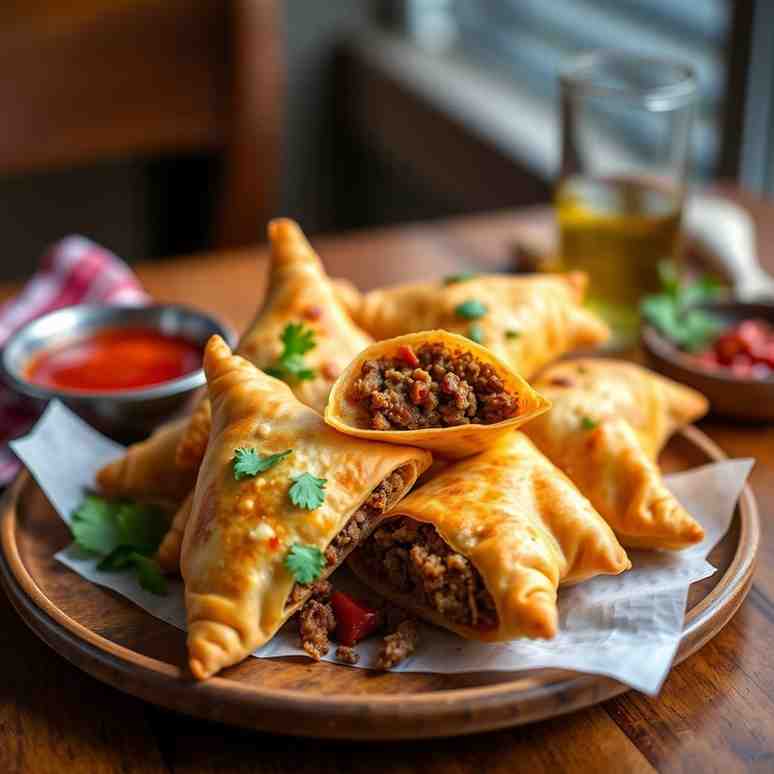
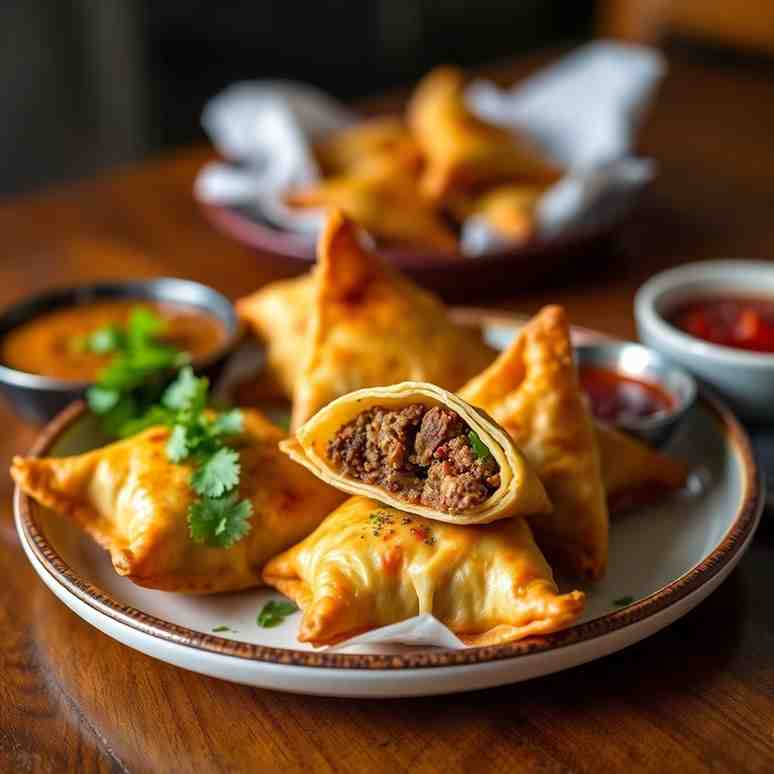
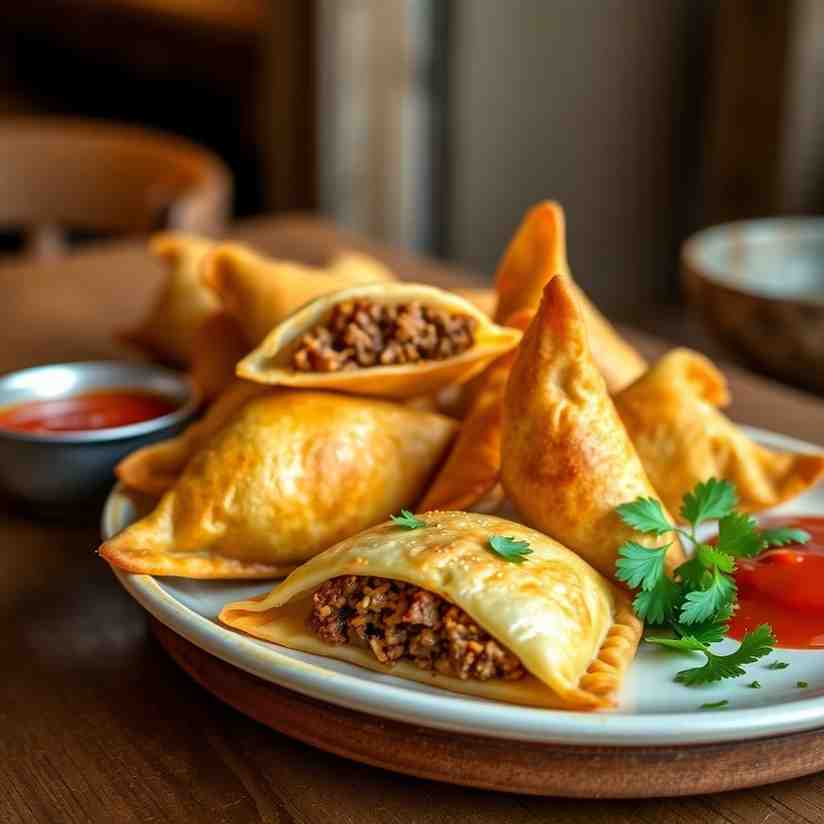
Ever wondered about the delicious world of Afghan cuisine? Get ready to embark on a flavorful journey with our incredible Afghan Sambosa recipe! These crispy, savory pastries are an absolute delight, perfect for any occasion. Forget complicated cooking – we're bringing you an easy-to-follow guide to making the best snacks with ground beef you've ever tasted, right in your own kitchen.
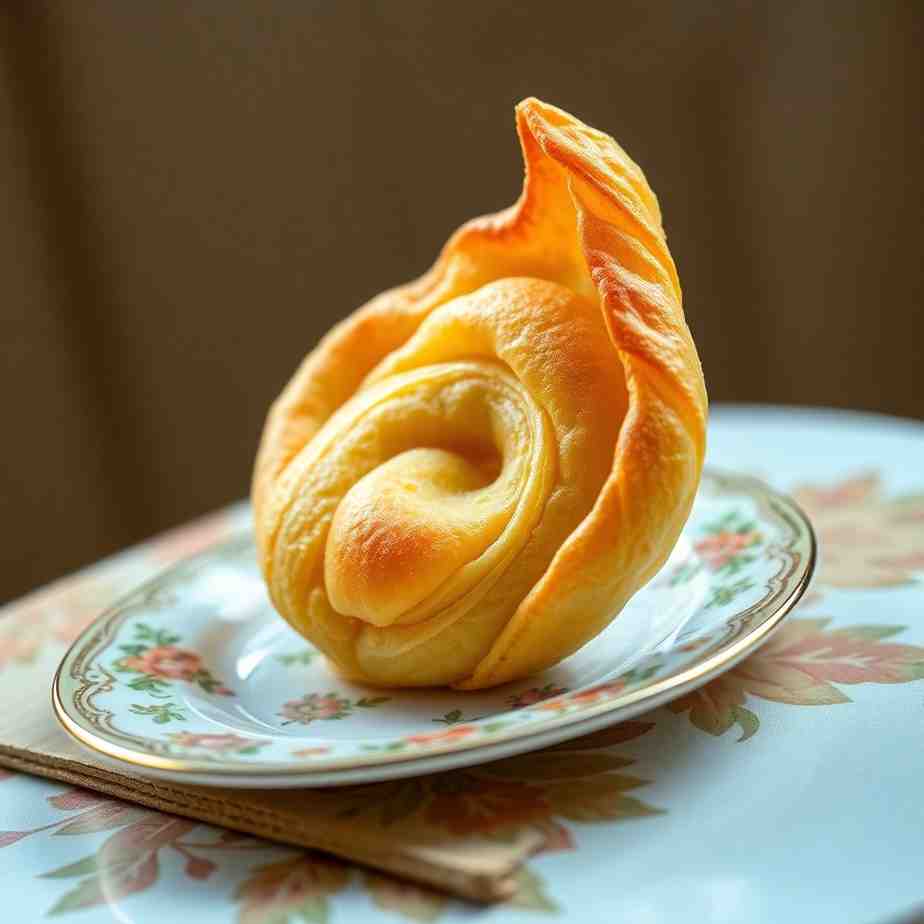
What exactly are Afghan Sambosa, you ask? Think of them as the Afghan cousin to the more widely known Indian samosa, but with their own unique charm. While both are delightful savory pastries, Afghan Sambosa often boast a distinct triangular shape and a milder, yet deeply aromatic, spice profile. They're typically filled with a juicy mix of ground meat and peas, seasoned with classic Afghan spices like cumin, coriander, and turmeric. These little pockets of joy are a staple at Afghan gatherings, from festive Ramadan evenings and casual tea-time snacks to lively parties and cherished family meals. I've personally tested this recipe countless times, and the feedback from my family and friends has been nothing short of rave reviews – so you know you're in for a treat!
You'll absolutely love this recipe because it’s designed to deliver authentic Afghan flavor using spices you likely already have in your pantry. Our ground beef filling is incredibly juicy and flavorful, complemented by sweet green peas for that perfect texture contrast. Whether you're a seasoned baker or a kitchen newbie, our beginner-friendly folding instructions will have your Sambosa sealed perfectly, preventing any leaks during cooking. Plus, we offer total flexibility with the pastry – you can go traditional with homemade dough, opt for convenient samosa sheets, or even use store-bought puff pastry. And the best part? You have the choice to either fry them to golden perfection or bake them for a lighter touch. These Sambosa are also fantastic for making ahead and freezing, making them a lifesaver for last-minute snacks or entertaining. With a kid-and-crowd-friendly spice level, complete with easy tweaks for hotter or milder versions, this recipe is truly for everyone. Get ready to impress your taste buds and your guests!
Ingredients
Directions
- Make the Ground Beef & Pea Filling:
- Heat 1 tablespoon of neutral oil in a large skillet or pot over medium heat. Add the finely chopped onion and cook until softened and translucent, about 5-7 minutes. Stir in the minced garlic and cook for another minute until fragrant.
- Add the ground cumin, ground coriander, turmeric, and chili powder (if using). Toast the spices briefly for about 30 seconds, stirring constantly, until they become fragrant.
- Crumble the ground beef into the skillet, breaking it up with a spoon. Cook, stirring occasionally, until the beef is thoroughly browned and all the moisture has evaporated. This is crucial for a non-soggy filling!
- Stir in the frozen green peas, salt, and black pepper. Continue to cook for 3-5 minutes, until the peas are tender. The mixture should be relatively dry.
- Remove from heat and stir in the optional fresh cilantro or parsley. Taste and adjust seasoning as needed. Transfer the filling to a bowl and let it cool completely. This step is important! A cool filling is much easier to work with and helps prevent the pastry from tearing or becoming soggy.
- Prepare the Dough or Pastry:
- If making homemade dough: In a large bowl, whisk together the all-purpose flour and salt. Add the 2 tablespoons of oil and rub it into the flour with your fingertips until the mixture resembles coarse crumbs. Gradually add the warm water, a little at a time, mixing until a shaggy dough forms. Turn the dough out onto a lightly floured surface and knead for 5-7 minutes until it's smooth and elastic. Cover the dough with a damp cloth or plastic wrap and let it rest for 20-30 minutes.
- If using store-bought wrappers: If frozen, thaw them according to package directions. Keep the wrappers covered with a slightly damp kitchen towel to prevent them from drying out while you work.
- Roll, Cut & Prep the Wrappers:
- For homemade dough: Divide the rested dough into small, equal-sized balls (about 1-inch in diameter). On a lightly floured surface, roll each ball into a very thin circle or oval, about 5-6 inches in diameter. You want the dough thin enough to be crispy when fried/baked, but not so thin it tears easily (aim for about 1/16th of an inch thick). Cut each circle in half to form two semi-circles, or cut into long strips if you prefer that folding method.
- For store-bought samosa sheets or spring-roll wrappers: If using samosa sheets, they might already be pre-cut. If using spring-roll wrappers, stack them neatly and cut them lengthwise into strips about 3-4 inches wide. Keep the cut strips covered with a damp towel.
- Fill & Fold the Sambosa (Triangle Method):
- Lay one pastry strip or semi-circle flat on your work surface.
- Place a measured spoonful of the cooled ground beef and pea filling (about 1.5-2 tablespoons) at one end of the strip, leaving a small border to avoid over-stuffing.
- Take one corner of the pastry and fold it diagonally over the filling to form a triangle. Press gently to seal the edges.
- Continue folding the triangle down the length of the strip, "flipping" it over itself repeatedly, maintaining the triangle shape and enclosing the filling completely.
- At the final fold, you'll have a small flap of pastry left. Dab a little flour-water paste (mix a teaspoon of flour with a few drops of water) or beaten egg on this flap and press firmly to seal the Sambosa completely.
- Ensure the triangle is firm, with no cracks, and all seams are fully sealed to prevent leaks during cooking. Place the finished Sambosa on a parchment-lined tray and cover with a damp towel while you continue with the rest.
- Fry the Sambosa (Main Method):
- Heat 4-6 cups of neutral high-heat oil in a deep pot or a large, heavy-bottomed skillet over medium-high heat. The ideal oil temperature is around 350-360°F (175-182°C). If you don't have a thermometer, drop a tiny piece of dough into the oil – it should sizzle immediately and rise to the surface within a few seconds.
- Carefully place a few Sambosa into the hot oil, ensuring you don’t crowd the pan. Frying in small batches is key to maintaining oil temperature and achieving even browning.
- Fry for about 2-4 minutes per side, turning occasionally, until they are deep golden brown and wonderfully crisp.
- Using a slotted spoon, transfer the fried Sambosa to a wire rack set over paper towels to drain any excess oil.
- Troubleshooting: If Sambosa are too dark too fast, your oil is too hot; reduce the heat. If they are pale and greasy, your oil isn't hot enough; increase the heat slightly.
- Baked Sambosa Option (Store-Bought Pastry):
- Preheat your oven to 400°F (200°C). Line a baking sheet with parchment paper.
- Arrange the filled Sambosa in a single layer on the prepared baking sheet.
- Brush the tops of the Sambosa generously with beaten egg wash or milk. If desired, sprinkle with sesame or nigella seeds for an extra touch.
- Bake for 20-25 minutes, or until the Sambosa are beautifully puffed, golden brown, and the bottoms are crisp.
- Air-Fryer Variation: For a quick air-fried option, preheat your air fryer to 375°F (190°C). Lightly spray the Sambosa with oil and air-fry for 10-15 minutes, flipping halfway, until golden and crispy.
- Rest & Serve:
- Allow the fried or baked Sambosa to cool slightly on the rack for a few minutes before serving. This allows the filling to set and prevents you from burning your mouth.
- Plate them beautifully with your chosen dip, a sprinkle of fresh herbs, and a side of lemon wedges.
Crispy Afghan Sambosa Best Snacks with Ground Beef
- Serves: 12 People
- Prepare Time: 45 minutes
- Cooking Time: 25 minutes
- Calories: 220
- Difficulty: Medium
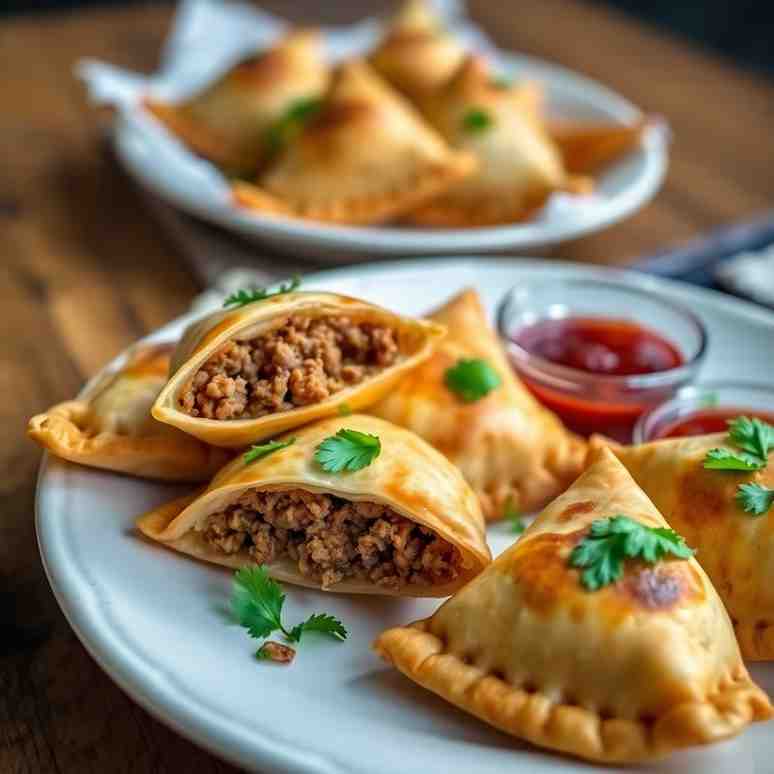
Ever wondered about the delicious world of Afghan cuisine? Get ready to embark on a flavorful journey with our incredible Afghan Sambosa recipe! These crispy, savory pastries are an absolute delight, perfect for any occasion. Forget complicated cooking – we're bringing you an easy-to-follow guide to making the best snacks with ground beef you've ever tasted, right in your own kitchen.
What exactly are Afghan Sambosa, you ask? Think of them as the Afghan cousin to the more widely known Indian samosa, but with their own unique charm. While both are delightful savory pastries, Afghan Sambosa often boast a distinct triangular shape and a milder, yet deeply aromatic, spice profile. They're typically filled with a juicy mix of ground meat and peas, seasoned with classic Afghan spices like cumin, coriander, and turmeric. These little pockets of joy are a staple at Afghan gatherings, from festive Ramadan evenings and casual tea-time snacks to lively parties and cherished family meals. I've personally tested this recipe countless times, and the feedback from my family and friends has been nothing short of rave reviews – so you know you're in for a treat!
You'll absolutely love this recipe because it’s designed to deliver authentic Afghan flavor using spices you likely already have in your pantry. Our ground beef filling is incredibly juicy and flavorful, complemented by sweet green peas for that perfect texture contrast. Whether you're a seasoned baker or a kitchen newbie, our beginner-friendly folding instructions will have your Sambosa sealed perfectly, preventing any leaks during cooking. Plus, we offer total flexibility with the pastry – you can go traditional with homemade dough, opt for convenient samosa sheets, or even use store-bought puff pastry. And the best part? You have the choice to either fry them to golden perfection or bake them for a lighter touch. These Sambosa are also fantastic for making ahead and freezing, making them a lifesaver for last-minute snacks or entertaining. With a kid-and-crowd-friendly spice level, complete with easy tweaks for hotter or milder versions, this recipe is truly for everyone. Get ready to impress your taste buds and your guests!
Ingredients
Directions
- Make the Ground Beef & Pea Filling:
- Heat 1 tablespoon of neutral oil in a large skillet or pot over medium heat. Add the finely chopped onion and cook until softened and translucent, about 5-7 minutes. Stir in the minced garlic and cook for another minute until fragrant.
- Add the ground cumin, ground coriander, turmeric, and chili powder (if using). Toast the spices briefly for about 30 seconds, stirring constantly, until they become fragrant.
- Crumble the ground beef into the skillet, breaking it up with a spoon. Cook, stirring occasionally, until the beef is thoroughly browned and all the moisture has evaporated. This is crucial for a non-soggy filling!
- Stir in the frozen green peas, salt, and black pepper. Continue to cook for 3-5 minutes, until the peas are tender. The mixture should be relatively dry.
- Remove from heat and stir in the optional fresh cilantro or parsley. Taste and adjust seasoning as needed. Transfer the filling to a bowl and let it cool completely. This step is important! A cool filling is much easier to work with and helps prevent the pastry from tearing or becoming soggy.
- Prepare the Dough or Pastry:
- If making homemade dough: In a large bowl, whisk together the all-purpose flour and salt. Add the 2 tablespoons of oil and rub it into the flour with your fingertips until the mixture resembles coarse crumbs. Gradually add the warm water, a little at a time, mixing until a shaggy dough forms. Turn the dough out onto a lightly floured surface and knead for 5-7 minutes until it's smooth and elastic. Cover the dough with a damp cloth or plastic wrap and let it rest for 20-30 minutes.
- If using store-bought wrappers: If frozen, thaw them according to package directions. Keep the wrappers covered with a slightly damp kitchen towel to prevent them from drying out while you work.
- Roll, Cut & Prep the Wrappers:
- For homemade dough: Divide the rested dough into small, equal-sized balls (about 1-inch in diameter). On a lightly floured surface, roll each ball into a very thin circle or oval, about 5-6 inches in diameter. You want the dough thin enough to be crispy when fried/baked, but not so thin it tears easily (aim for about 1/16th of an inch thick). Cut each circle in half to form two semi-circles, or cut into long strips if you prefer that folding method.
- For store-bought samosa sheets or spring-roll wrappers: If using samosa sheets, they might already be pre-cut. If using spring-roll wrappers, stack them neatly and cut them lengthwise into strips about 3-4 inches wide. Keep the cut strips covered with a damp towel.
- Fill & Fold the Sambosa (Triangle Method):
- Lay one pastry strip or semi-circle flat on your work surface.
- Place a measured spoonful of the cooled ground beef and pea filling (about 1.5-2 tablespoons) at one end of the strip, leaving a small border to avoid over-stuffing.
- Take one corner of the pastry and fold it diagonally over the filling to form a triangle. Press gently to seal the edges.
- Continue folding the triangle down the length of the strip, "flipping" it over itself repeatedly, maintaining the triangle shape and enclosing the filling completely.
- At the final fold, you'll have a small flap of pastry left. Dab a little flour-water paste (mix a teaspoon of flour with a few drops of water) or beaten egg on this flap and press firmly to seal the Sambosa completely.
- Ensure the triangle is firm, with no cracks, and all seams are fully sealed to prevent leaks during cooking. Place the finished Sambosa on a parchment-lined tray and cover with a damp towel while you continue with the rest.
- Fry the Sambosa (Main Method):
- Heat 4-6 cups of neutral high-heat oil in a deep pot or a large, heavy-bottomed skillet over medium-high heat. The ideal oil temperature is around 350-360°F (175-182°C). If you don't have a thermometer, drop a tiny piece of dough into the oil – it should sizzle immediately and rise to the surface within a few seconds.
- Carefully place a few Sambosa into the hot oil, ensuring you don’t crowd the pan. Frying in small batches is key to maintaining oil temperature and achieving even browning.
- Fry for about 2-4 minutes per side, turning occasionally, until they are deep golden brown and wonderfully crisp.
- Using a slotted spoon, transfer the fried Sambosa to a wire rack set over paper towels to drain any excess oil.
- Troubleshooting: If Sambosa are too dark too fast, your oil is too hot; reduce the heat. If they are pale and greasy, your oil isn't hot enough; increase the heat slightly.
- Baked Sambosa Option (Store-Bought Pastry):
- Preheat your oven to 400°F (200°C). Line a baking sheet with parchment paper.
- Arrange the filled Sambosa in a single layer on the prepared baking sheet.
- Brush the tops of the Sambosa generously with beaten egg wash or milk. If desired, sprinkle with sesame or nigella seeds for an extra touch.
- Bake for 20-25 minutes, or until the Sambosa are beautifully puffed, golden brown, and the bottoms are crisp.
- Air-Fryer Variation: For a quick air-fried option, preheat your air fryer to 375°F (190°C). Lightly spray the Sambosa with oil and air-fry for 10-15 minutes, flipping halfway, until golden and crispy.
- Rest & Serve:
- Allow the fried or baked Sambosa to cool slightly on the rack for a few minutes before serving. This allows the filling to set and prevents you from burning your mouth.
- Plate them beautifully with your chosen dip, a sprinkle of fresh herbs, and a side of lemon wedges.
The following nutritional values are per serving (one piece of cake) Calories ~180-220 kcal Carbohydrates ~15-20g Protein ~8-12g Fat ~10-15g Making delicious Afghan Sambosa doesn't have to be an all-day affair! While the traditional method is wonderful, sometimes you need a little help to get these crispy snacks on the table faster. Here are some tools and ingredients that can make your Sambosa journey smoother: Problem: Finely chopping onions and garlic for the filling can be tedious and time-consuming, sometimes even bringing tears to your eyes! Problem: Making homemade dough from scratch requires measuring, kneading, resting, and rolling, which adds significant time to the recipe. Problem: Frying Sambosa at the wrong oil temperature can lead to greasy, soggy pastries or ones that burn on the outside before cooking through. Click any ingredient for detailed nutritional information:Recipe Nutritional Values
Additional Information
Recipe Success Tips
Ingredient Substitutions & Variations
Expert Tips & Troubleshooting
Make-Ahead & Storage Instructions
Frequently Asked Questions
Recommended Kitchen Tools
Food Processor for Quick Chopping
Agitate: Spending extra minutes on prep work means less time enjoying your kitchen, and inconsistent chopping can affect the texture of your filling.
Solution: A food processor can finely mince your onions and garlic in mere seconds, ensuring a uniform texture and saving you precious time and effort. Just be careful not to over-process them into a paste!Store-Bought Pastry Dough or Wrappers
Agitate: If you're new to making dough or short on time, the thought of this step can be daunting, potentially preventing you from trying this amazing recipe.
Solution: Using store-bought samosa sheets, spring-roll wrappers, or even puff pastry can dramatically cut down on preparation time. These pre-made options are easy to work with and still deliver a wonderfully crispy Sambosa, especially the puff pastry for a baked version.Kitchen Thermometer for Perfect Frying
Agitate: Guessing the oil temperature often results in inconsistent results, wasting your effort and ingredients, and leaving you with less-than-perfect Sambosa.
Solution: A simple kitchen thermometer (like a candy or deep-fry thermometer) takes the guesswork out of frying. It helps you maintain the ideal oil temperature (around 350-360°F or 175-182°C), ensuring your Sambosa come out perfectly golden and crisp every time.Calories per Ingredient
You may also like


Hey there! I’m just someone who seriously loves good food and believes that cooking doesn’t have to be complicated to be amazing. Whether it’s a quick weeknight dinner or a cozy weekend meal, I’m all about sharing easy, tasty recipes that actually work.