Algerian Mechoui Slow-Cooked Lamb Roast Recipe
Algerian Mechoui Slow-Cooked Lamb Roast Recipe
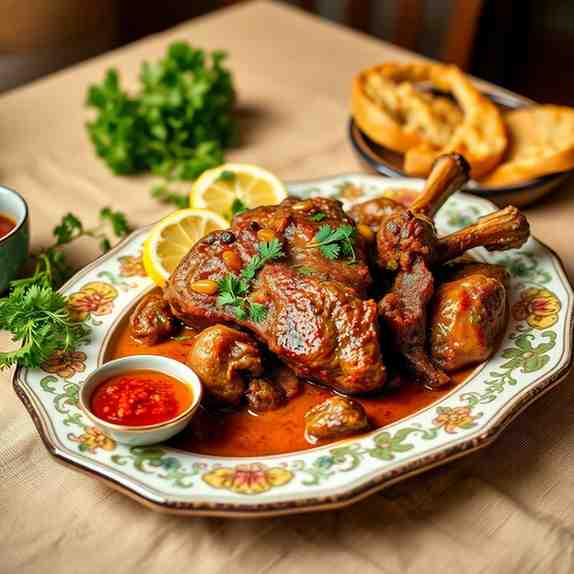
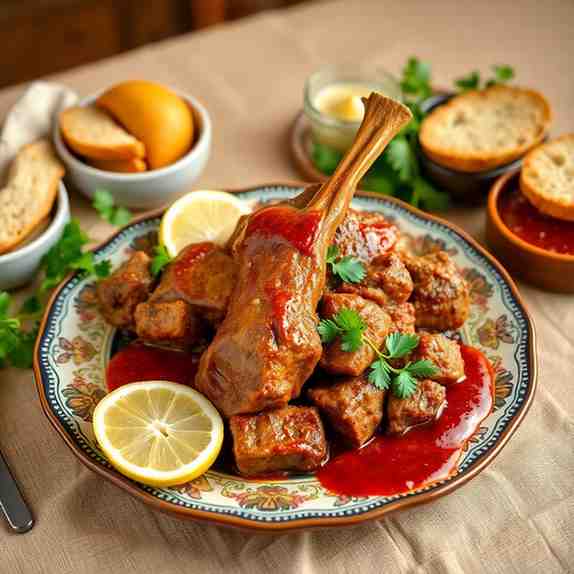
- Serves: 6 People
- Prepare Time: 30 minutes
- Cooking Time: 4-6 hours
- Calories: -
- Difficulty: Medium
Ever dreamed of creating a show-stopping roast that practically melts in your mouth? Get ready to savor the magic of Algerian Mechoui! This isn't just any slow cooked lamb roast recipe; it's a journey to the heart of North African feasting, bringing intensely flavorful, fall-apart tender lamb right to your home oven. Traditionally cooked in a pit, our adapted roast lamb recipe oven version makes this incredible dish accessible to everyone. Forget complicated techniques or endless ingredient lists – all you need is a bone-in leg of lamb recipe or shoulder, a few simple, warm spices, and a little patience. We'll show you the best way to cook lamb for a truly unforgettable meal.
Ingredients
Directions
- Prepare the Lamb:
- Pat the lamb leg or shoulder thoroughly dry with paper towels. This helps the marinade adhere and promotes a crispier crust.
- If there's a very thick layer of surface fat, you can trim some of it down, but leave a good amount for flavor and moisture.
- Using a sharp knife, score the fatty side of the lamb in a crisscross pattern, about ¼ to ½ inch deep. Make small, deep slits all over the lamb (about 1 inch deep) where you'll tuck in the spice paste.
- Make the Spice Paste:
- In a small bowl, combine the minced garlic, ground cumin, paprika, coriander, cayenne pepper (if using), black pepper, and salt.
- Add the olive oil and lemon juice. Mix well until you have a thick, fragrant paste. If using saffron, add it now along with its steeping liquid.
- Marinate the Lamb:
- Generously rub the spice paste all over the lamb, making sure to work it into the scored fat and deep into all the slits you made. Massage it in thoroughly.
- Place the marinated lamb in a large roasting pan or a non-reactive dish, cover it tightly with plastic wrap, and refrigerate.
- Ideal marination: 24 hours for maximum flavor penetration.
- Minimum marination: 4-6 hours if you're short on time.
- Before roasting, remove the lamb from the fridge and let it sit at room temperature for at least 1-2 hours. This ensures more even cooking.
- Preheat Oven & Set Up Pan:
- Preheat your oven to a low roasting temperature: 250-275°F (120-135°C). The lower end of the range will yield slightly more tender results over a longer cook time.
- If using, scatter the chopped onions on the bottom of your roasting pan. Place the lamb directly on the onions, or on a roasting rack set inside the pan. This elevates the lamb for better air circulation and prevents the bottom from getting soggy.
- Slow Roast for Tenderness:
- Place the lamb in the preheated oven.
- Roast uncovered for the first 1-2 hours to allow the crust to begin forming.
- After the initial browning, loosely tent the lamb with foil. This helps retain moisture and prevents the exterior from burning while the interior slowly cooks.
- Roast for an estimated 4-6 hours for a 4-6 lb bone-in leg or shoulder. The exact time will depend on your oven and the lamb's size and shape.
- Baste the lamb every 45-60 minutes with the pan juices, or with melted butter/ghee if using. This adds flavor and keeps the surface moist. Add a splash of water or broth to the pan if it starts to dry out.
- Begin checking the internal temperature with an instant-read thermometer after about 3.5-4 hours. Insert the thermometer into the thickest part of the meat, avoiding the bone.
- For fall-apart, pull-apart tender mechoui, you're aiming for an internal temperature of 190-200°F (88-93°C).
- Once the lamb reaches your desired tenderness, remove the foil. Increase the oven temperature to 400-425°F (200-220°C) for the last 15-30 minutes, or until the crust is beautifully browned and crispy. Keep a close eye on it to prevent burning.
- Optional Grill Finish: If you want an extra smoky char, carefully transfer the lamb to a preheated hot grill for 5-10 minutes, turning occasionally, after it's tender and before the high-heat oven finish. This is part of the same workflow, not a separate recipe.
- Once the lamb is done, remove it from the oven and transfer it to a cutting board. Tent it loosely with foil and let it rest for at least 20-30 minutes. This allows the juices to redistribute, resulting in a more tender and flavorful roast.
- After resting, the meat should be so tender that it easily pulls away from the bone with forks. You can pull it into chunks or slices. "Perfect" mechoui often means it's so tender you barely need a knife.
- Traditionally, Mechoui is served simply, sometimes with small bowls of extra salt and cumin for dipping, allowing guests to season to their preference.
Algerian Mechoui Slow-Cooked Lamb Roast Recipe
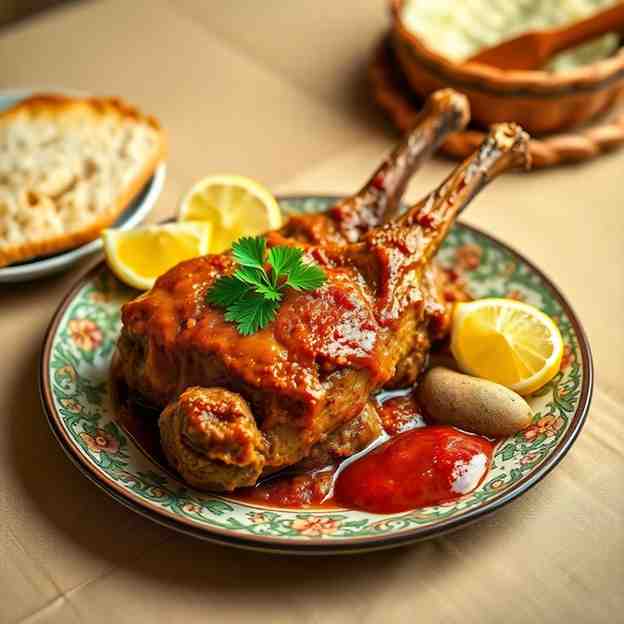
- Serves: 6 People
- Prepare Time: 30 minutes
- Cooking Time: 4-6 hours
- Calories: -
- Difficulty: Medium
Ever dreamed of creating a show-stopping roast that practically melts in your mouth? Get ready to savor the magic of Algerian Mechoui! This isn't just any slow cooked lamb roast recipe; it's a journey to the heart of North African feasting, bringing intensely flavorful, fall-apart tender lamb right to your home oven. Traditionally cooked in a pit, our adapted roast lamb recipe oven version makes this incredible dish accessible to everyone. Forget complicated techniques or endless ingredient lists – all you need is a bone-in leg of lamb recipe or shoulder, a few simple, warm spices, and a little patience. We'll show you the best way to cook lamb for a truly unforgettable meal.
Ingredients
Directions
- Prepare the Lamb:
- Pat the lamb leg or shoulder thoroughly dry with paper towels. This helps the marinade adhere and promotes a crispier crust.
- If there's a very thick layer of surface fat, you can trim some of it down, but leave a good amount for flavor and moisture.
- Using a sharp knife, score the fatty side of the lamb in a crisscross pattern, about ¼ to ½ inch deep. Make small, deep slits all over the lamb (about 1 inch deep) where you'll tuck in the spice paste.
- Make the Spice Paste:
- In a small bowl, combine the minced garlic, ground cumin, paprika, coriander, cayenne pepper (if using), black pepper, and salt.
- Add the olive oil and lemon juice. Mix well until you have a thick, fragrant paste. If using saffron, add it now along with its steeping liquid.
- Marinate the Lamb:
- Generously rub the spice paste all over the lamb, making sure to work it into the scored fat and deep into all the slits you made. Massage it in thoroughly.
- Place the marinated lamb in a large roasting pan or a non-reactive dish, cover it tightly with plastic wrap, and refrigerate.
- Ideal marination: 24 hours for maximum flavor penetration.
- Minimum marination: 4-6 hours if you're short on time.
- Before roasting, remove the lamb from the fridge and let it sit at room temperature for at least 1-2 hours. This ensures more even cooking.
- Preheat Oven & Set Up Pan:
- Preheat your oven to a low roasting temperature: 250-275°F (120-135°C). The lower end of the range will yield slightly more tender results over a longer cook time.
- If using, scatter the chopped onions on the bottom of your roasting pan. Place the lamb directly on the onions, or on a roasting rack set inside the pan. This elevates the lamb for better air circulation and prevents the bottom from getting soggy.
- Slow Roast for Tenderness:
- Place the lamb in the preheated oven.
- Roast uncovered for the first 1-2 hours to allow the crust to begin forming.
- After the initial browning, loosely tent the lamb with foil. This helps retain moisture and prevents the exterior from burning while the interior slowly cooks.
- Roast for an estimated 4-6 hours for a 4-6 lb bone-in leg or shoulder. The exact time will depend on your oven and the lamb's size and shape.
- Baste the lamb every 45-60 minutes with the pan juices, or with melted butter/ghee if using. This adds flavor and keeps the surface moist. Add a splash of water or broth to the pan if it starts to dry out.
- Begin checking the internal temperature with an instant-read thermometer after about 3.5-4 hours. Insert the thermometer into the thickest part of the meat, avoiding the bone.
- For fall-apart, pull-apart tender mechoui, you're aiming for an internal temperature of 190-200°F (88-93°C).
- Once the lamb reaches your desired tenderness, remove the foil. Increase the oven temperature to 400-425°F (200-220°C) for the last 15-30 minutes, or until the crust is beautifully browned and crispy. Keep a close eye on it to prevent burning.
- Optional Grill Finish: If you want an extra smoky char, carefully transfer the lamb to a preheated hot grill for 5-10 minutes, turning occasionally, after it's tender and before the high-heat oven finish. This is part of the same workflow, not a separate recipe.
- Once the lamb is done, remove it from the oven and transfer it to a cutting board. Tent it loosely with foil and let it rest for at least 20-30 minutes. This allows the juices to redistribute, resulting in a more tender and flavorful roast.
- After resting, the meat should be so tender that it easily pulls away from the bone with forks. You can pull it into chunks or slices. "Perfect" mechoui often means it's so tender you barely need a knife.
- Traditionally, Mechoui is served simply, sometimes with small bowls of extra salt and cumin for dipping, allowing guests to season to their preference.
The following nutritional values are per serving (one piece of cake) Calories 480-550 kcal Carbohydrates 5-8g Protein 45-55g Fat 30-40g Tools and ingredients that can help you cook more easily and consistently. Sometimes, a little help in the kitchen can make all the difference, especially when you're tackling a delicious slow-roasted lamb. Here are a few things that can make your Mechoui journey smoother: Problem: Ever wonder if your lamb is truly cooked through, or if it's going to be tough and dry? Guessing internal temperatures can lead to anxiety and uneven results. Problem: Roasting directly on a flat pan can leave the bottom of your lamb sitting in juices, preventing a beautiful, even crust. Plus, flimsy pans can warp in the oven. Problem: Making those small, precise slits in the lamb for the garlic and spice paste can be awkward and messy with a large chef's knife. Click any ingredient for detailed nutritional information:Recipe Nutritional Values
Additional Information
Recipe Success Tips
Planning Ahead for Success
Expert Tips for Perfect Doneness
Ingredient Substitutions & Variations
Make-Ahead, Storage & Reheating
Troubleshooting Common Mechoui Problems
Frequently Asked Questions
Recommended Kitchen Tools
Time-Saving Tools & Ingredients
Instant-Read Meat Thermometer
Agitate: Nothing's worse than spending hours roasting only to find your centerpiece roast isn't perfect. Overcooked lamb is dry, undercooked is unsafe.
Solution: An instant-read meat thermometer is your best friend. It gives you precise temperature readings in seconds, taking all the guesswork out of achieving that fall-apart tender perfection. Just stick it in, read, and relax!Heavy-Duty Roasting Pan with Rack
Agitate: Soggy bottoms and unevenly cooked meat are no fun, and constantly worrying about your pan holding up adds unnecessary stress to your cooking.
Solution: A sturdy roasting pan with a rack elevates your lamb, allowing air to circulate all around it. This promotes even cooking and a fantastic crust, while the heavy-duty construction ensures it can handle high heat and heavy roasts for years to come.Sharp Paring Knife
Agitate: If you can't get the marinade deep into the meat, you risk a less flavorful roast. A dull knife also makes the job harder and less safe.
Solution: A small, sharp paring knife gives you the control and precision needed to easily score the fat and create those little pockets for maximum flavor infusion. It's a small tool, but it makes a big difference in ensuring every bite is seasoned perfectly.Calories per Ingredient
You may also like


Hey there! I’m just someone who seriously loves good food and believes that cooking doesn’t have to be complicated to be amazing. Whether it’s a quick weeknight dinner or a cozy weekend meal, I’m all about sharing easy, tasty recipes that actually work.