Ducana Recipe Antigua's Sweet Treat
Ducana Recipe Antigua's Sweet Treat
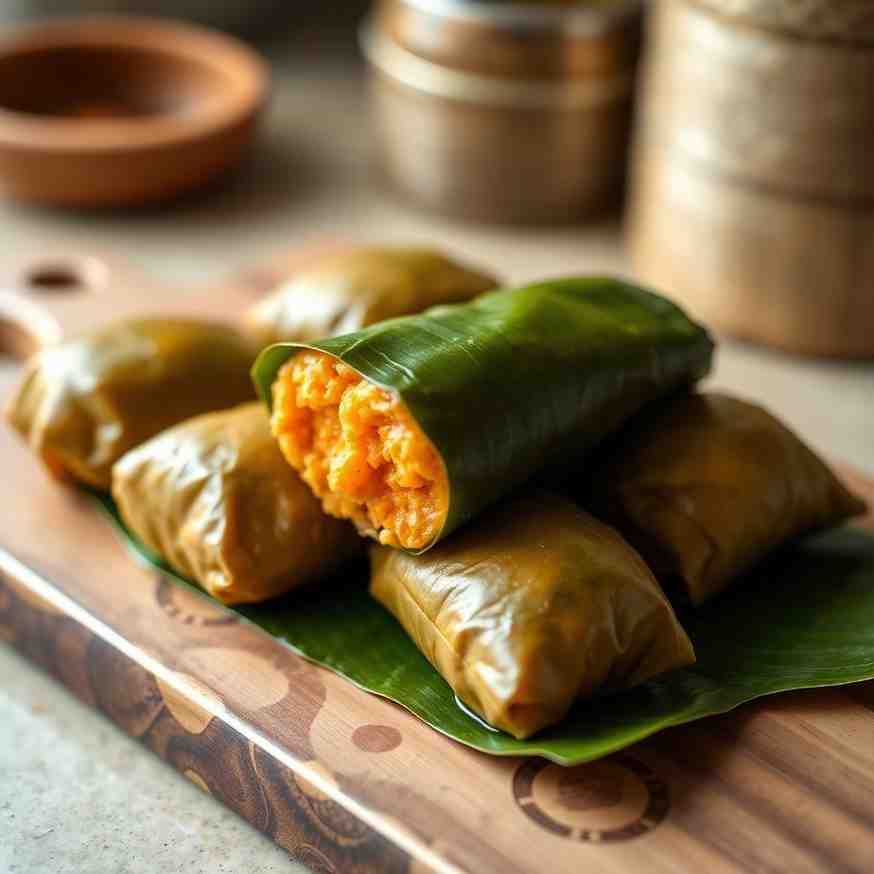
- Serves: 8 People
- Prepare Time: 30 minutes
- Cooking Time: 45 minutes
- Calories: -
- Difficulty: Medium
Welcome to a taste of the sun-drenched Caribbean! If you've never had ducana, you're in for a delightful treat. Imagine a sweet, warmly spiced dumpling, bursting with the goodness of sweet potato and coconut, gently boiled to perfection. These aren't just any sweet potato dumplings; they're Antiguan Ducana, a cherished staple wrapped traditionally in banana leaves or foil. This recipe brings you a single, reliable, authentic-feeling method for creating these irresistible parcels right in your US kitchen, making it easy for you to savor the flavors of Antigua & Barbuda.
Flavor Snapshot: Sweet, warmly spiced, coconutty
Perfect With: Salt fish and simple garlicky greens ("chop-up" style)
Ingredients
Directions
- Ducana in 5 Simple Steps (Summary) For those who want a quick overview before diving into the details, here's the gist:
- Grate sweet potatoes and coconut.
- Mix with sugar, butter, spices, and enough flour to form a thick, scoopable dough.
- Wrap spoonfuls of dough in banana leaves or foil.
- Boil gently until the parcels are firm and cooked through.
- Rest briefly, then unwrap and serve warm with salt fish or on their own.
- Dough texture is key: Aim for a thick batter that holds its shape on a spoon, not runny, but also not crumbly.
- Seal packets tightly: This prevents leaks during boiling and keeps your ducana perfectly intact.
- Cooking time varies: Adjust based on the size of your parcels; generally, 30-45 minutes.
- Prep the Sweet Potatoes & CoconutFirst, peel your sweet potatoes. Give them a good once-over to ensure there are no bad spots or blemishes. Next, you'll need to grate them. A box grater works well for a slightly coarser texture, or you can use the grating disc on a food processor for a finer, more uniform result. Both methods are fine, just know that a finer grate might require slightly less flour. Aim for approximately 4-5 cups of grated sweet potato for this recipe. If using fresh or frozen coconut, grate it similarly. If using desiccated, ensure it's slightly rehydrated if you prefer a softer texture.
- Mix and Adjust the Ducana Dough In a large mixing bowl, combine your grated sweet potato and coconut. Add the granulated sugar, melted (or very soft) unsalted butter, ground cinnamon, freshly grated nutmeg, vanilla extract, and salt. If you're including the optional raisins, stir them in now. Mix everything thoroughly with your hands or a sturdy spoon until well combined.
- Now, gradually add the all-purpose flour, starting with a smaller amount and adding more, one to two tablespoons at a time, until you reach the desired consistency. The dough should be thick but scoopable, holding its shape on a spoon without being runny. It shouldn't be crumbly or dry.
- Micro-fixes: If your mixture feels too wet or loose, add another tablespoon or two of flour. If it seems too dry or crumbly, stir in a spoonful of water or coconut milk until it's pliable.
- Since there are no eggs in this mixture, you can carefully taste a tiny bit of the dough to adjust for sweetness if needed before cooking.
- Prep Banana Leaves or Foil & Wrap Parcels If using banana leaves, you'll need to soften them first to prevent cracking. You can do this by briefly blanching them in boiling water for 30 seconds or quickly passing them over an open flame (like a gas burner) until they become pliable and change to a brighter green. Once softened, wipe them clean with a damp cloth. Cut the leaves into rectangles, roughly 8x10 inches, depending on your desired parcel size.
If using aluminum foil, cut pieces of heavy-duty foil into similar rectangles, about 8x10 inches.
Place a spoonful (about 1/4 to 1/3 cup, or the size of a small fist/hot dog) of the ducana dough onto the center of your wrapper. Shape it into a log or a flattened cylinder. Fold the sides of the banana leaf or foil over the dough, then fold the ends to create a tightly sealed parcel. Ensure all edges are sealed well to prevent any dough from leaking out during boiling. - Boil the Ducana Parcels Fill a large pot with water and bring it to a gentle boil. You want enough water so that the parcels can be mostly submerged and have space to move around, but not a rolling, aggressive boil that might tear the wrappers. Carefully add your ducana parcels to the pot.
Boil gently for approximately 30-45 minutes, depending on the size of your parcels. You'll know they're done when they feel firmer to the touch and the dough inside is set. If you're boiling many at once, you might need to gently rotate them halfway through to ensure even cooking. - Cool, Unwrap, and Serve Once cooked, carefully remove the ducana parcels from the pot and let them rest for about 5-10 minutes. This resting time allows the steam to settle and the ducana to firm up slightly, making them easier to handle and preventing them from falling apart.
Unwrap your ducana – be careful of the steam!
Serve warm. Traditionally, ducana is paired with pan-fried salt fish and a side of "chop-up" style garlicky greens for a truly authentic Antiguan meal. They're also delicious on their own or with other savory dishes.
Ducana Recipe Antigua's Sweet Treat
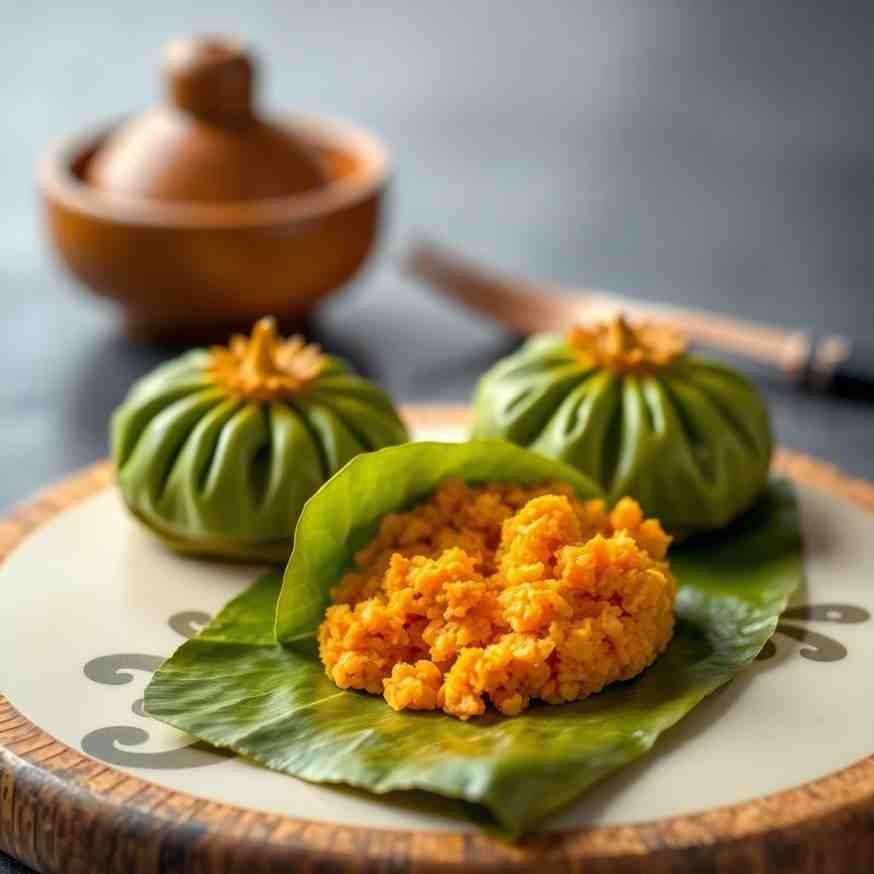
- Serves: 8 People
- Prepare Time: 30 minutes
- Cooking Time: 45 minutes
- Calories: -
- Difficulty: Medium
Welcome to a taste of the sun-drenched Caribbean! If you've never had ducana, you're in for a delightful treat. Imagine a sweet, warmly spiced dumpling, bursting with the goodness of sweet potato and coconut, gently boiled to perfection. These aren't just any sweet potato dumplings; they're Antiguan Ducana, a cherished staple wrapped traditionally in banana leaves or foil. This recipe brings you a single, reliable, authentic-feeling method for creating these irresistible parcels right in your US kitchen, making it easy for you to savor the flavors of Antigua & Barbuda.
Flavor Snapshot: Sweet, warmly spiced, coconutty
Perfect With: Salt fish and simple garlicky greens ("chop-up" style)
Ingredients
Directions
- Ducana in 5 Simple Steps (Summary) For those who want a quick overview before diving into the details, here's the gist:
- Grate sweet potatoes and coconut.
- Mix with sugar, butter, spices, and enough flour to form a thick, scoopable dough.
- Wrap spoonfuls of dough in banana leaves or foil.
- Boil gently until the parcels are firm and cooked through.
- Rest briefly, then unwrap and serve warm with salt fish or on their own.
- Dough texture is key: Aim for a thick batter that holds its shape on a spoon, not runny, but also not crumbly.
- Seal packets tightly: This prevents leaks during boiling and keeps your ducana perfectly intact.
- Cooking time varies: Adjust based on the size of your parcels; generally, 30-45 minutes.
- Prep the Sweet Potatoes & CoconutFirst, peel your sweet potatoes. Give them a good once-over to ensure there are no bad spots or blemishes. Next, you'll need to grate them. A box grater works well for a slightly coarser texture, or you can use the grating disc on a food processor for a finer, more uniform result. Both methods are fine, just know that a finer grate might require slightly less flour. Aim for approximately 4-5 cups of grated sweet potato for this recipe. If using fresh or frozen coconut, grate it similarly. If using desiccated, ensure it's slightly rehydrated if you prefer a softer texture.
- Mix and Adjust the Ducana Dough In a large mixing bowl, combine your grated sweet potato and coconut. Add the granulated sugar, melted (or very soft) unsalted butter, ground cinnamon, freshly grated nutmeg, vanilla extract, and salt. If you're including the optional raisins, stir them in now. Mix everything thoroughly with your hands or a sturdy spoon until well combined.
- Now, gradually add the all-purpose flour, starting with a smaller amount and adding more, one to two tablespoons at a time, until you reach the desired consistency. The dough should be thick but scoopable, holding its shape on a spoon without being runny. It shouldn't be crumbly or dry.
- Micro-fixes: If your mixture feels too wet or loose, add another tablespoon or two of flour. If it seems too dry or crumbly, stir in a spoonful of water or coconut milk until it's pliable.
- Since there are no eggs in this mixture, you can carefully taste a tiny bit of the dough to adjust for sweetness if needed before cooking.
- Prep Banana Leaves or Foil & Wrap Parcels If using banana leaves, you'll need to soften them first to prevent cracking. You can do this by briefly blanching them in boiling water for 30 seconds or quickly passing them over an open flame (like a gas burner) until they become pliable and change to a brighter green. Once softened, wipe them clean with a damp cloth. Cut the leaves into rectangles, roughly 8x10 inches, depending on your desired parcel size.
If using aluminum foil, cut pieces of heavy-duty foil into similar rectangles, about 8x10 inches.
Place a spoonful (about 1/4 to 1/3 cup, or the size of a small fist/hot dog) of the ducana dough onto the center of your wrapper. Shape it into a log or a flattened cylinder. Fold the sides of the banana leaf or foil over the dough, then fold the ends to create a tightly sealed parcel. Ensure all edges are sealed well to prevent any dough from leaking out during boiling. - Boil the Ducana Parcels Fill a large pot with water and bring it to a gentle boil. You want enough water so that the parcels can be mostly submerged and have space to move around, but not a rolling, aggressive boil that might tear the wrappers. Carefully add your ducana parcels to the pot.
Boil gently for approximately 30-45 minutes, depending on the size of your parcels. You'll know they're done when they feel firmer to the touch and the dough inside is set. If you're boiling many at once, you might need to gently rotate them halfway through to ensure even cooking. - Cool, Unwrap, and Serve Once cooked, carefully remove the ducana parcels from the pot and let them rest for about 5-10 minutes. This resting time allows the steam to settle and the ducana to firm up slightly, making them easier to handle and preventing them from falling apart.
Unwrap your ducana – be careful of the steam!
Serve warm. Traditionally, ducana is paired with pan-fried salt fish and a side of "chop-up" style garlicky greens for a truly authentic Antiguan meal. They're also delicious on their own or with other savory dishes.
The following nutritional values are per serving (one piece of cake) Calories ~250-350 kcal Carbohydrates ~40-55g Protein ~3-5g Fat ~10-18g Sometimes, a little help in the kitchen can go a long way, especially when you're craving something delicious but short on time. Here are a couple of recommendations to speed up your Ducana making process: Problem: Grating sweet potatoes and coconut by hand can be a real workout and take up precious time, especially if you're making a big batch. Problem: Fresh coconut is amazing, but cracking, scraping, and grating it is a labor of love that not everyone has time for. Click any ingredient for detailed nutritional information:Recipe Nutritional Values
Additional Information
Recipe Success Tips
Ingredient Substitutions & Variations
Cultural Variations
Make-Ahead & Storage Instructions
Frequently Asked Questions
Recommended Kitchen Tools
food processor with a grating attachment
Agitate: Imagine sore arms and a messy counter, all before you even start mixing! Who wants that when you could be enjoying the Caribbean vibes?
Solution: A food processor with a grating attachment is your best friend here. It can shred your sweet potatoes and coconut in mere minutes, saving your knuckles and getting you to the mixing bowl much faster. Just make sure not to over-process; you want a grated texture, not a paste!pre-grated or frozen unsweetened grated coconut
Agitate: Don't let the thought of wrestling with a coconut stop you from making this incredible dish! Sourcing fresh coconut can also be tricky depending on where you live.
Solution: Opt for pre-grated or frozen unsweetened grated coconut. Many Asian or Caribbean grocery stores carry it in the freezer section. It delivers excellent flavor and texture without all the fuss, allowing you to jump straight into mixing your Ducana dough. Just remember to thaw it if frozen and adjust sugar if you accidentally grab sweetened flakes!Calories per Ingredient
You may also like


Hey there! I’m just someone who seriously loves good food and believes that cooking doesn’t have to be complicated to be amazing. Whether it’s a quick weeknight dinner or a cozy weekend meal, I’m all about sharing easy, tasty recipes that actually work.