Armenian Dolma Your Guide to Stuffed Grape Leaves
Armenian Dolma Your Guide to Stuffed Grape Leaves

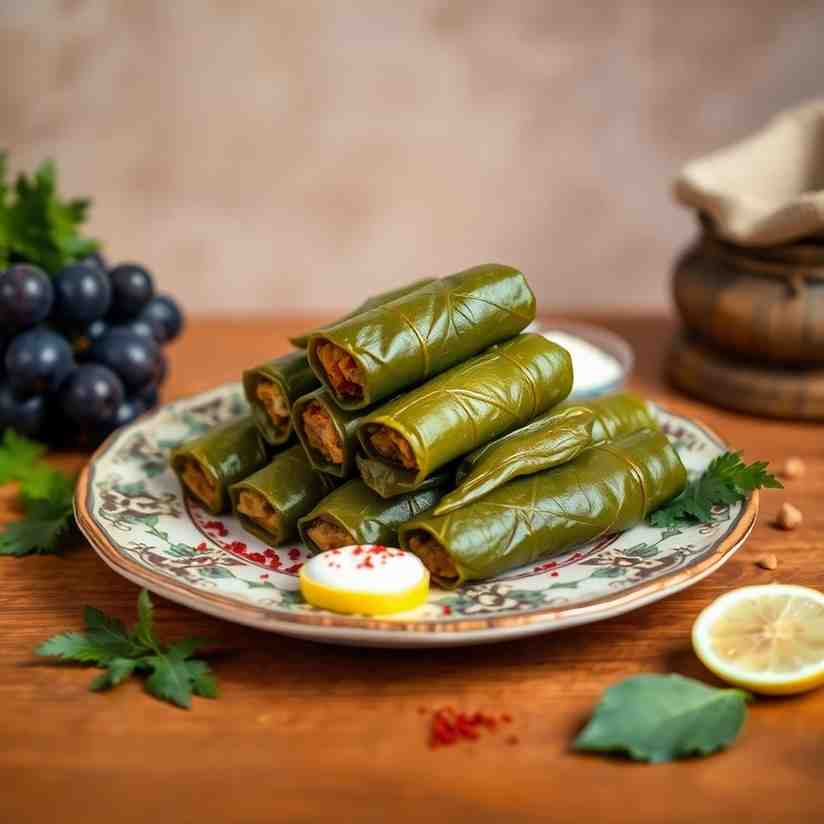
- Serves: 6 People
- Prepare Time: 45 minutes
- Cooking Time: 1 hour 30 m
- Calories: -
- Difficulty: Medium
Get ready to roll up your sleeves and dive into a truly delightful culinary adventure! We're talking about Armenian Dolma Delight, a dish that's as fun to make as it is to eat. Often called Sarma, these tender, savory parcels of grape leaves are stuffed dolma with a fragrant mix of seasoned lamb and rice, then gently simmered to perfection. This isn't just any recipe; it’s a journey to the heart of Armenian home cooking, known for its bright herbs, a hint of lemon, and comforting spices. Whether you're a seasoned chef or just starting out, our clear, step-by-step instructions will have you mastering these incredible stuffed grape leaves in no time. Plus, we've got all the make-ahead tips to ensure your Armenian Dolma Delight is even better the next day. Let's make some magic!
Ingredients
Directions
- Before You Start – Handle Your Grape Leaves Like a Pro:
Rinse Jarred Grape Leaves: Carefully remove the grape leaves from the jar. Rinse them thoroughly under cold running water 2-3 times to remove excess brine. You can also soak them in a bowl of cold water for 15-20 minutes, changing the water once, if they seem extra salty. Gently pat them dry.
Sort & Save Imperfect Leaves: As you rinse, set aside any torn, very small, or irregular leaves. These aren't wasted! You'll use them to line the bottom and top of your cooking pot.
Prep Fresh Leaves (If Using): If you're using fresh grape leaves, you'll need to blanch them first. Bring a large pot of salted water to a boil. Briefly immerse the fresh leaves (in batches if necessary) for 30-60 seconds until they become pliable and change to a brighter green. Immediately transfer them to an ice bath to stop cooking, then drain and gently pat dry.
Count Your Leaves: Aim to have around 60-70 good quality leaves for rolling, plus an extra 10-15 for lining the pot and for any practice rolls. - Now, Let's Make Dolma!
- Make the Filling:
- In a large mixing bowl, combine the ground lamb, rinsed rice, finely chopped onion, minced garlic, parsley, optional mint, tomato paste, paprika, optional cumin, black pepper, and salt.
- Add 1 tablespoon of olive oil and 2 tablespoons of fresh lemon juice to the mixture.
- Using your hands (the best tool!), thoroughly mix all the ingredients until well combined. The mixture should be moist and cohesive, not soupy. Pro Tip: Some prefer to lightly sauté the onion and garlic first for a deeper flavor, but mixing them raw is traditional for this type of dolma and results in a lighter, fresher taste.
- Line the Pot:
- Grab a heavy, wide pot with a lid (a Dutch oven works great).
- Line the bottom of the pot with the torn or extra grape leaves you set aside. This layer acts as a buffer, preventing your precious dolma from sticking or scorching during simmering.
- Roll the Grape Leaves:
- Lay a single grape leaf, shiny side down (or vein side up), on a clean surface or cutting board. Make sure the stem end is pointing towards you.
- Place a small amount of filling – about a teaspoon to a tablespoon, depending on the size of the leaf – near the stem end. Don't overfill; remember the rice needs room to expand!
- Fold the bottom edge of the leaf over the filling.
- Next, fold in the sides of the leaf towards the center.
- Finally, roll the leaf up snugly from the bottom towards the top, creating a neat, small cigar-shaped parcel. It should be firm but not so tight that it bursts.
- Repeat this process for all the remaining leaves and filling. Don't worry if your first few aren't perfect – practice makes perfect!
- Pack the Pot:
- Carefully arrange the rolled dolma in the lined pot. Start from the outside edge and place them in concentric circles, seam-side down, making sure they're packed tightly.
- Continue layering until all the dolma are in the pot. Packing them snugly helps prevent them from unraveling or floating during cooking. If there are small gaps, you can tuck in any smaller, leftover rolls.
- Add the Cooking Liquid & Weight:
- In a separate bowl, whisk together the water or broth, ¼ cup fresh lemon juice, ¼ cup olive oil, 1 teaspoon salt, and any optional sumac, Aleppo pepper, or pomegranate molasses.
- Carefully pour this cooking liquid over the packed dolma in the pot. The liquid should just cover or barely submerge the rolls.
- Place a heatproof plate directly on top of the dolma. This acts as a weight, keeping the rolls submerged and preventing them from unrolling.
- Cover the pot with its lid, leaving it slightly ajar to allow some steam to escape.
- Bring the liquid in the pot to a boil over medium-high heat.
- As soon as it reaches a boil, immediately reduce the heat to low. The liquid should maintain a very gentle simmer – just a few bubbles, not a rolling boil.
- Simmer for approximately 1 hour 30 minutes to 1 hour 45 minutes, or until the rice is cooked through and the grape leaves are tender.
- Rest & Cool:
- Once cooked, turn off the heat but keep the pot covered. Let the dolma rest in the pot for at least 20-30 minutes. This resting period allows the flavors to meld and the rolls to set, making them easier to handle.
- For the absolute best flavor, many Armenians swear by cooling the dolma completely and refrigerating them for several hours or even overnight. The flavors deepen beautifully.
Armenian Dolma Your Guide to Stuffed Grape Leaves
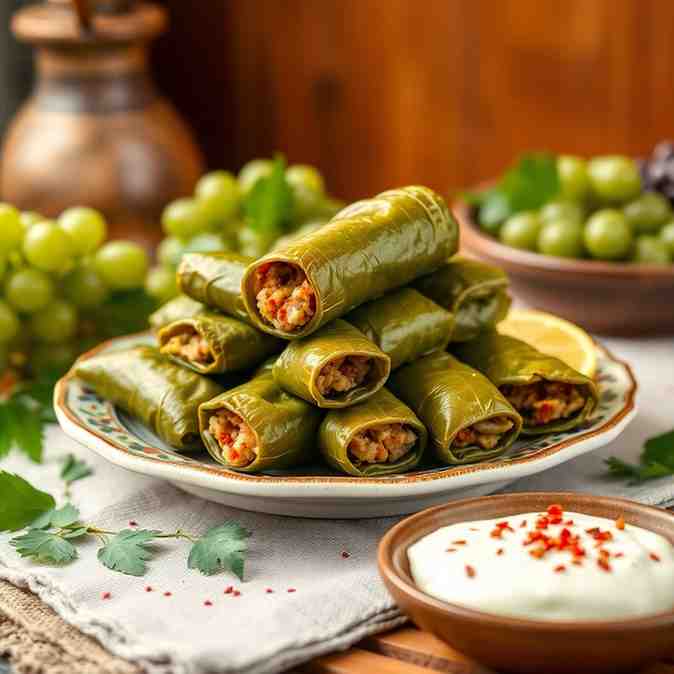
- Serves: 6 People
- Prepare Time: 45 minutes
- Cooking Time: 1 hour 30 m
- Calories: -
- Difficulty: Medium
Get ready to roll up your sleeves and dive into a truly delightful culinary adventure! We're talking about Armenian Dolma Delight, a dish that's as fun to make as it is to eat. Often called Sarma, these tender, savory parcels of grape leaves are stuffed dolma with a fragrant mix of seasoned lamb and rice, then gently simmered to perfection. This isn't just any recipe; it’s a journey to the heart of Armenian home cooking, known for its bright herbs, a hint of lemon, and comforting spices. Whether you're a seasoned chef or just starting out, our clear, step-by-step instructions will have you mastering these incredible stuffed grape leaves in no time. Plus, we've got all the make-ahead tips to ensure your Armenian Dolma Delight is even better the next day. Let's make some magic!
Ingredients
Directions
- Before You Start – Handle Your Grape Leaves Like a Pro:
Rinse Jarred Grape Leaves: Carefully remove the grape leaves from the jar. Rinse them thoroughly under cold running water 2-3 times to remove excess brine. You can also soak them in a bowl of cold water for 15-20 minutes, changing the water once, if they seem extra salty. Gently pat them dry.
Sort & Save Imperfect Leaves: As you rinse, set aside any torn, very small, or irregular leaves. These aren't wasted! You'll use them to line the bottom and top of your cooking pot.
Prep Fresh Leaves (If Using): If you're using fresh grape leaves, you'll need to blanch them first. Bring a large pot of salted water to a boil. Briefly immerse the fresh leaves (in batches if necessary) for 30-60 seconds until they become pliable and change to a brighter green. Immediately transfer them to an ice bath to stop cooking, then drain and gently pat dry.
Count Your Leaves: Aim to have around 60-70 good quality leaves for rolling, plus an extra 10-15 for lining the pot and for any practice rolls. - Now, Let's Make Dolma!
- Make the Filling:
- In a large mixing bowl, combine the ground lamb, rinsed rice, finely chopped onion, minced garlic, parsley, optional mint, tomato paste, paprika, optional cumin, black pepper, and salt.
- Add 1 tablespoon of olive oil and 2 tablespoons of fresh lemon juice to the mixture.
- Using your hands (the best tool!), thoroughly mix all the ingredients until well combined. The mixture should be moist and cohesive, not soupy. Pro Tip: Some prefer to lightly sauté the onion and garlic first for a deeper flavor, but mixing them raw is traditional for this type of dolma and results in a lighter, fresher taste.
- Line the Pot:
- Grab a heavy, wide pot with a lid (a Dutch oven works great).
- Line the bottom of the pot with the torn or extra grape leaves you set aside. This layer acts as a buffer, preventing your precious dolma from sticking or scorching during simmering.
- Roll the Grape Leaves:
- Lay a single grape leaf, shiny side down (or vein side up), on a clean surface or cutting board. Make sure the stem end is pointing towards you.
- Place a small amount of filling – about a teaspoon to a tablespoon, depending on the size of the leaf – near the stem end. Don't overfill; remember the rice needs room to expand!
- Fold the bottom edge of the leaf over the filling.
- Next, fold in the sides of the leaf towards the center.
- Finally, roll the leaf up snugly from the bottom towards the top, creating a neat, small cigar-shaped parcel. It should be firm but not so tight that it bursts.
- Repeat this process for all the remaining leaves and filling. Don't worry if your first few aren't perfect – practice makes perfect!
- Pack the Pot:
- Carefully arrange the rolled dolma in the lined pot. Start from the outside edge and place them in concentric circles, seam-side down, making sure they're packed tightly.
- Continue layering until all the dolma are in the pot. Packing them snugly helps prevent them from unraveling or floating during cooking. If there are small gaps, you can tuck in any smaller, leftover rolls.
- Add the Cooking Liquid & Weight:
- In a separate bowl, whisk together the water or broth, ¼ cup fresh lemon juice, ¼ cup olive oil, 1 teaspoon salt, and any optional sumac, Aleppo pepper, or pomegranate molasses.
- Carefully pour this cooking liquid over the packed dolma in the pot. The liquid should just cover or barely submerge the rolls.
- Place a heatproof plate directly on top of the dolma. This acts as a weight, keeping the rolls submerged and preventing them from unrolling.
- Cover the pot with its lid, leaving it slightly ajar to allow some steam to escape.
- Bring the liquid in the pot to a boil over medium-high heat.
- As soon as it reaches a boil, immediately reduce the heat to low. The liquid should maintain a very gentle simmer – just a few bubbles, not a rolling boil.
- Simmer for approximately 1 hour 30 minutes to 1 hour 45 minutes, or until the rice is cooked through and the grape leaves are tender.
- Rest & Cool:
- Once cooked, turn off the heat but keep the pot covered. Let the dolma rest in the pot for at least 20-30 minutes. This resting period allows the flavors to meld and the rolls to set, making them easier to handle.
- For the absolute best flavor, many Armenians swear by cooling the dolma completely and refrigerating them for several hours or even overnight. The flavors deepen beautifully.
The following nutritional values are per serving (one piece of cake) Calories Approximately 350-450 calories per serving Carbohydrates Around 30-40g Protein Roughly 15-20g Fat About 20-30g (varies greatly with lamb fat content and olive oil usage) Making Armenian Dolma is a labor of love, but that doesn't mean you can't smarten up your kitchen game! Here are a few tools and ingredients that can help you get this delicious dish on the table a little faster, without cutting corners on flavor. Problem: Rolling individual grape leaves can be a meticulous and time-consuming task, especially if you're new to it or making a big batch. Problem: Prepping fresh onions and garlic, while essential for flavor, can be a tear-jerking and time-consuming chore. Problem: Rinsing and sorting jarred grape leaves can add an extra step to your prep. Click any ingredient for detailed nutritional information:Recipe Nutritional Values
Additional Information
Recipe Success Tips
Pro Tips, Variations & Storage
Ingredient Substitutions & Variations
Cultural Variations
Make-Ahead & Storage Instructions
Frequently Asked Questions
Recommended Kitchen Tools
grape leaf rolling machine
Agitate: Imagine spending an hour hunched over, painstakingly shaping each delicate leaf, only to have a few unravel or look uneven. It can be frustrating and slow down your whole cooking process!
Solution: A grape leaf rolling machine (sometimes called a dolma roller) can be a real game-changer. These simple gadgets help you create perfectly uniform, tightly rolled dolmas in a fraction of the time, making the process much more enjoyable and efficient.mini food processor
Agitate: Chopping all those aromatics by hand can feel like it takes forever, and who enjoys watery eyes when they're trying to cook a delicious meal?
Solution: A mini food processor or vegetable chopper can blitz your onions and garlic in mere seconds. This saves you valuable prep time, keeps your eyes tear-free, and ensures a consistent mince for your filling.pre-rinsed or low-sodium jarred grape leaves
Agitate: While jarred leaves are convenient, dealing with their brine can feel messy and like an unnecessary delay when you're eager to start stuffing.
Solution: Look for pre-rinsed or low-sodium jarred grape leaves. While you'll still want to give them a quick rinse, these often require less extensive soaking, shaving a few minutes off your prep work.Calories per Ingredient
You may also like

Hey there! I’m just someone who seriously loves good food and believes that cooking doesn’t have to be complicated to be amazing. Whether it’s a quick weeknight dinner or a cozy weekend meal, I’m all about sharing easy, tasty recipes that actually work.