Cuberdons - Make Your Own Candy
Cuberdons - Make Your Own Candy
- Serves: 50 People
- Prepare Time: 45 minutes
- Cooking Time: 30 minutes
- Calories: -
- Difficulty: Hard
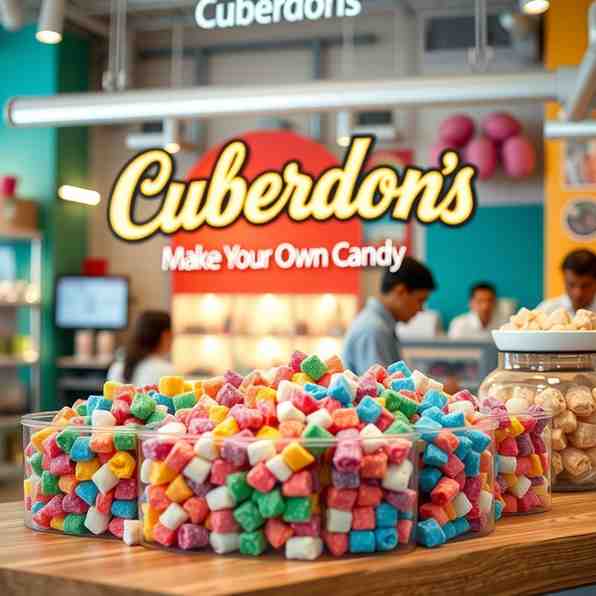
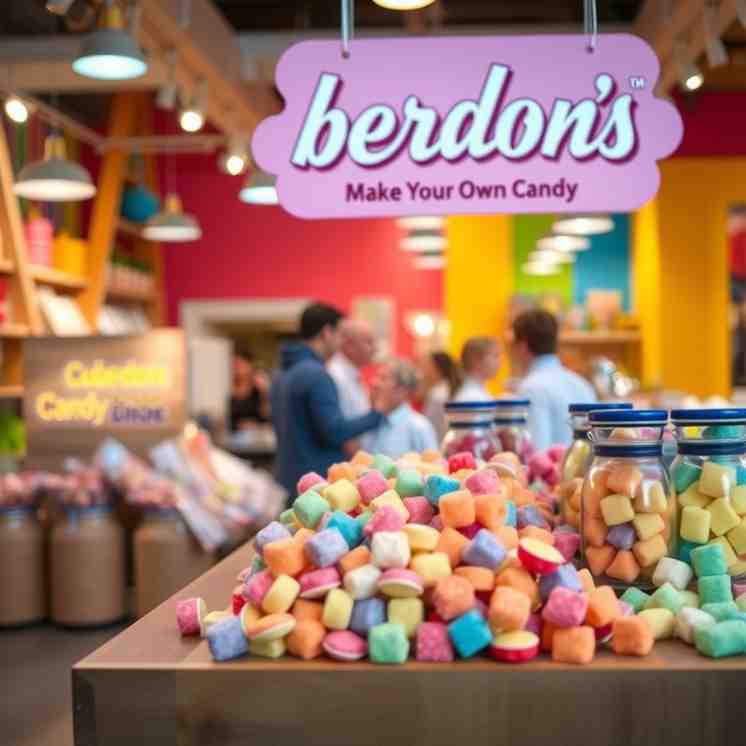
Ever dreamt of biting into those iconic little purple "noses" from Ghent, with their perfectly crackly shell and that burst of gooey raspberry center? Good news, fellow sweet tooth! While making your own candy like authentic Belgian Cuberdons might seem like a secret reserved for master confectioners, it's absolutely possible to recreate these delicious homemade sweet treats right in your kitchen. This isn't a "5-minute magic" recipe, but if you're comfortable with a candy thermometer and ready for a fun, rewarding challenge, you're in for a real treat. We're talking about a truly unique fruit candy recipe that will impress everyone!
Ingredients
Directions
- Prepare the Starch Molds
- Sift a generous, deep layer of cornstarch (or potato starch) into your large pan or tray. You want at least 1.5 to 2 inches (4-5 cm) deep.
- Use an offset spatula or a straight edge to level the top of the starch perfectly smooth.
- Now, create your cone-shaped wells. You can use anything with a small, rounded cone shape – a small piping tip, the cap of a small bottle, or even a specially designed cuberdon mold tool. Press firmly but gently into the starch to create distinct, clean indentations.
- Ensure your wells are spaced about an inch apart to prevent the candies from sticking together. The depth should be about 1 inch (2.5 cm).
- Why very dry starch? Any moisture in the starch can cause your candies to stick or absorb moisture, preventing that crisp shell from forming. If your starch feels even slightly damp, spread it thinly on a baking sheet and bake at a very low temperature (around 200°F / 93°C) for 30 minutes, then let it cool completely before using.
- Quick note: You can reuse and dry your starch between batches! Just make sure it’s completely dry.
- Make the Raspberry Syrup Base
- In your heavy-bottom saucepan, combine the granulated sugar, water, and glucose syrup.
- Bring the mixture to a boil over medium-high heat, stirring gently until the sugar dissolves.
- Once boiling, stop stirring. Skim off any foam that rises to the surface.
- Continue to cook the syrup without stirring until it reaches a precise temperature of X°F / Y°C on your candy thermometer. (This specific temperature is crucial for the shell formation and gooey interior – we'll finalize it in the full recipe card!)
- While the syrup cooks, gently warm your raspberry purée and have your gum arabic/gelatin mixture ready.
- Once the syrup hits the target temperature, remove it from the heat. Carefully, and in a steady stream, add the pre-warmed raspberry purée and your gelling agent mixture. Stir gently to incorporate without introducing too much air.
- If necessary (depending on the gelling agent), return to very low heat briefly to ensure everything is fully dissolved and combined, but avoid cooking it further.
- Stir in your red/purple food coloring and any optional raspberry extract until you achieve your desired hue and flavor intensity. The mixture should be thick enough to coat the back of a spoon but still pourable.
- Pour Into the Molds
- Let your syrup cool just enough to thicken slightly – it should still be pourable but not so hot that it melts the starch molds. This is your "safe pouring temperature cue."
- Carefully transfer the warm syrup to your heatproof pitcher with a spout, or a piping bag (without a tip, just snip the end).
- Slowly and steadily fill each starch cone nearly to the top. Work quickly but carefully.
- Once all the molds are filled, gently tap the pan on your counter a few times to release any trapped air bubbles.
- The Drying Phase
- Immediately move your pan of filled starch molds to your chosen warm, dry place (oven with just the light on, dehydrator set to its lowest temperature, or a warm, dry room). This is where the magic happens!
- Time + feel guideline:
- Day 1–2: You’ll start to see a thin, delicate shell forming on the surface.
- Day 3–5: The shell will firm up significantly, while the center should still feel soft and gooey when gently pressed.
- Day 6–7: Check for the ideal crust thickness. The goal is a firm, crisp shell that gives way to a truly liquid, syrupy center.
- How to check a test candy: After a few days, carefully dig out one test candy. Cut it in half or gently bite into it. You're aiming for a distinct, firm outer shell and a vividly colored, liquid-to-syrupy interior. Adjust drying time and temperature for the rest of the batch as needed.
- Unmolding and Cleaning
- Once your cuberdons have reached their ideal shell consistency, it's time for the big reveal!
- Carefully dig each candy out of its starch bed. They should release relatively easily.
- Using a soft, clean brush (like a pastry brush or a new, soft paintbrush) or a clean, dry towel, gently brush off any excess cornstarch clinging to the candies.
- Let your beautiful cuberdons rest for a few hours at room temperature to "settle" before you serve them up and enjoy your homemade sweet recipe!
Cuberdons - Make Your Own Candy
- Serves: 50 People
- Prepare Time: 45 minutes
- Cooking Time: 30 minutes
- Calories: -
- Difficulty: Hard
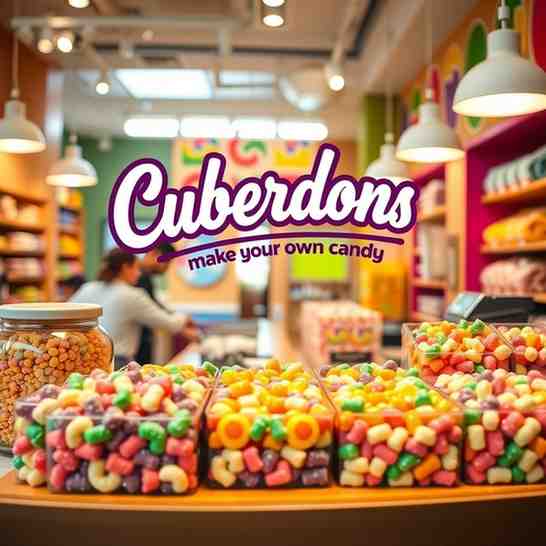
Ever dreamt of biting into those iconic little purple "noses" from Ghent, with their perfectly crackly shell and that burst of gooey raspberry center? Good news, fellow sweet tooth! While making your own candy like authentic Belgian Cuberdons might seem like a secret reserved for master confectioners, it's absolutely possible to recreate these delicious homemade sweet treats right in your kitchen. This isn't a "5-minute magic" recipe, but if you're comfortable with a candy thermometer and ready for a fun, rewarding challenge, you're in for a real treat. We're talking about a truly unique fruit candy recipe that will impress everyone!
Ingredients
Directions
- Prepare the Starch Molds
- Sift a generous, deep layer of cornstarch (or potato starch) into your large pan or tray. You want at least 1.5 to 2 inches (4-5 cm) deep.
- Use an offset spatula or a straight edge to level the top of the starch perfectly smooth.
- Now, create your cone-shaped wells. You can use anything with a small, rounded cone shape – a small piping tip, the cap of a small bottle, or even a specially designed cuberdon mold tool. Press firmly but gently into the starch to create distinct, clean indentations.
- Ensure your wells are spaced about an inch apart to prevent the candies from sticking together. The depth should be about 1 inch (2.5 cm).
- Why very dry starch? Any moisture in the starch can cause your candies to stick or absorb moisture, preventing that crisp shell from forming. If your starch feels even slightly damp, spread it thinly on a baking sheet and bake at a very low temperature (around 200°F / 93°C) for 30 minutes, then let it cool completely before using.
- Quick note: You can reuse and dry your starch between batches! Just make sure it’s completely dry.
- Make the Raspberry Syrup Base
- In your heavy-bottom saucepan, combine the granulated sugar, water, and glucose syrup.
- Bring the mixture to a boil over medium-high heat, stirring gently until the sugar dissolves.
- Once boiling, stop stirring. Skim off any foam that rises to the surface.
- Continue to cook the syrup without stirring until it reaches a precise temperature of X°F / Y°C on your candy thermometer. (This specific temperature is crucial for the shell formation and gooey interior – we'll finalize it in the full recipe card!)
- While the syrup cooks, gently warm your raspberry purée and have your gum arabic/gelatin mixture ready.
- Once the syrup hits the target temperature, remove it from the heat. Carefully, and in a steady stream, add the pre-warmed raspberry purée and your gelling agent mixture. Stir gently to incorporate without introducing too much air.
- If necessary (depending on the gelling agent), return to very low heat briefly to ensure everything is fully dissolved and combined, but avoid cooking it further.
- Stir in your red/purple food coloring and any optional raspberry extract until you achieve your desired hue and flavor intensity. The mixture should be thick enough to coat the back of a spoon but still pourable.
- Pour Into the Molds
- Let your syrup cool just enough to thicken slightly – it should still be pourable but not so hot that it melts the starch molds. This is your "safe pouring temperature cue."
- Carefully transfer the warm syrup to your heatproof pitcher with a spout, or a piping bag (without a tip, just snip the end).
- Slowly and steadily fill each starch cone nearly to the top. Work quickly but carefully.
- Once all the molds are filled, gently tap the pan on your counter a few times to release any trapped air bubbles.
- The Drying Phase
- Immediately move your pan of filled starch molds to your chosen warm, dry place (oven with just the light on, dehydrator set to its lowest temperature, or a warm, dry room). This is where the magic happens!
- Time + feel guideline:
- Day 1–2: You’ll start to see a thin, delicate shell forming on the surface.
- Day 3–5: The shell will firm up significantly, while the center should still feel soft and gooey when gently pressed.
- Day 6–7: Check for the ideal crust thickness. The goal is a firm, crisp shell that gives way to a truly liquid, syrupy center.
- How to check a test candy: After a few days, carefully dig out one test candy. Cut it in half or gently bite into it. You're aiming for a distinct, firm outer shell and a vividly colored, liquid-to-syrupy interior. Adjust drying time and temperature for the rest of the batch as needed.
- Unmolding and Cleaning
- Once your cuberdons have reached their ideal shell consistency, it's time for the big reveal!
- Carefully dig each candy out of its starch bed. They should release relatively easily.
- Using a soft, clean brush (like a pastry brush or a new, soft paintbrush) or a clean, dry towel, gently brush off any excess cornstarch clinging to the candies.
- Let your beautiful cuberdons rest for a few hours at room temperature to "settle" before you serve them up and enjoy your homemade sweet recipe!
You may also like


Hey there! I’m just someone who seriously loves good food and believes that cooking doesn’t have to be complicated to be amazing. Whether it’s a quick weeknight dinner or a cozy weekend meal, I’m all about sharing easy, tasty recipes that actually work.