Cuscuz Paulista Recipe
Cuscuz Paulista Recipe
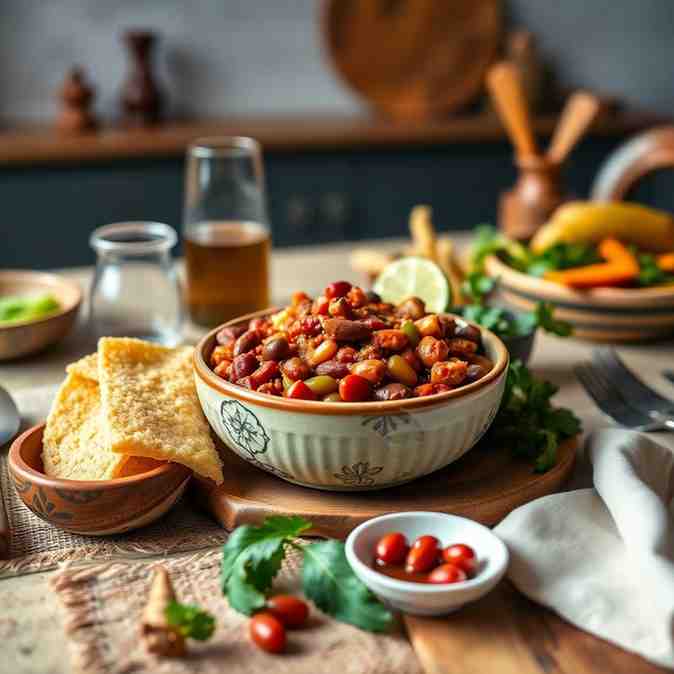
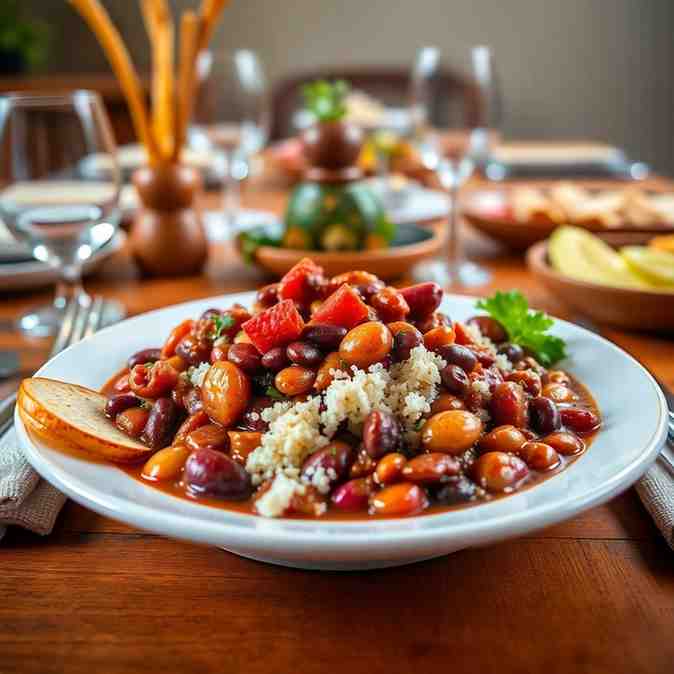
- Serves: 6 People
- Prepare Time: 30 minutes
- Cooking Time: 40 minutes
- Calories: -
- Difficulty: Medium
Welcome to the vibrant world of Brazilian cuisine! Today, we're diving deep into a beloved classic: Cuscuz Paulista. This isn't just any couscous meal recipe; it's a culinary masterpiece from São Paulo, Brazil, known for its stunning presentation and incredible layers of flavor. Forget everything you thought you knew about traditional couscous because Cuscuz Paulista takes pre cooked cornmeal flour and transforms it into a savory, steamed cake bursting with fresh vegetables, succulent proteins, and a rich, aromatic broth.
While many Brazilian dish recipes exist, Cuscuz Paulista stands out for its unique texture and the way it brings together a medley of ingredients – from tender shrimp and chicken to colorful bell peppers, juicy tomatoes, and briny olives. It's a dish that tells a story, deeply rooted in Brazilian culture and perfect for sharing with family and friends. Whether you're a seasoned chef looking for new Brazilian cuisine recipes or a beginner eager to explore the diverse flavors of South America, this guide will walk you through every step to create a truly authentic and unforgettable Cuscuz Paulista. Get ready to impress your taste buds and transport yourself to Brazil with every delicious bite!
Ingredients
Directions
- Prepare Your Mold:
- Generously grease a 9-inch (23 cm) bundt pan or a round cake pan with the softened butter.
- Arrange some of the garnish ingredients (egg slices, whole shrimp, olive slices, parsley sprigs) decoratively on the bottom and sides of the greased mold. This will be the top of your cuscuz when unmolded, so make it pretty!
- Sauté the Aromatics:
- Heat the olive oil in a large pot or Dutch oven over medium heat.
- Add the chopped onion and sautéed onions and peppers for about 5-7 minutes until softened and translucent.
- Stir in the minced garlic and cook for another minute until fragrant.
- Add the diced red and green bell peppers. Cook for 5 minutes, stirring occasionally, until they start to soften.
- Build the Flavor Base:
- Add the diced fresh tomatoes (or drained canned tomatoes) to the pot. Cook for 3-4 minutes, allowing them to release their juices.
- Stir in the tomato paste, paprika, and cumin. Cook for 1 minute, stirring constantly, to toast the spices.
- Pour in the chicken or vegetable broth. Bring the mixture to a gentle simmer.
- Incorporate Proteins & Olives:
- Add the cooked chicken and chopped cooked shrimp to the simmering broth.
- Stir in both the black and green olives, chopped parsley, and chives.
- Season generously with salt and black pepper. Taste and adjust seasonings as needed – remember the cornmeal will absorb a lot of the flavor.
- Gently fold in the sliced hard-boiled eggs.
- Add the Cornmeal:
- Gradually add the pre cooked cornmeal flour to the simmering mixture, stirring constantly with a wooden spoon or whisk to prevent lumps.
- Continue stirring vigorously for about 3-5 minutes as the mixture thickens significantly. It should become very thick and pull away from the sides of the pot. This is crucial for achieving the right texture and ensuring the cornmeal is cooked through.
- Mold and Steam:
- Carefully spoon the hot cuscuz mixture into your prepared mold, pressing it down firmly with the back of a spoon to ensure there are no air pockets and it's tightly packed. This helps it hold its shape.
- Cover the mold tightly with aluminum foil or a lid.
- Place the mold inside a larger pot with about 1-2 inches (2.5-5 cm) of simmering water (creating a bain-marie or water bath), ensuring the water level does not reach the top of the cuscuz mold.
- Alternatively, you can steam it directly in a steamer basket over simmering water.
- Steam for 20-30 minutes, or until the cuscuz is firm and holds its shape. A toothpick inserted into the center should come out clean.
- Cool and Unmold:
- Remove the mold from the steamer or water bath. Let it cool on a wire rack for at least 15-20 minutes before attempting to unmold. This cooling period is vital for the cuscuz to set properly.
- Once slightly cooled, carefully place a serving platter over the mold and invert it quickly but gently. The cuscuz should slide out, revealing your beautiful garnish on top.
- Serve:
- Garnish with additional fresh parsley, egg slices, shrimp, or cherry tomatoes if desired.
- Serve warm or at room temperature. Enjoy your delicious and authentic Cuscuz Paulista!
Cuscuz Paulista Recipe

- Serves: 6 People
- Prepare Time: 30 minutes
- Cooking Time: 40 minutes
- Calories: -
- Difficulty: Medium
Welcome to the vibrant world of Brazilian cuisine! Today, we're diving deep into a beloved classic: Cuscuz Paulista. This isn't just any couscous meal recipe; it's a culinary masterpiece from São Paulo, Brazil, known for its stunning presentation and incredible layers of flavor. Forget everything you thought you knew about traditional couscous because Cuscuz Paulista takes pre cooked cornmeal flour and transforms it into a savory, steamed cake bursting with fresh vegetables, succulent proteins, and a rich, aromatic broth.
While many Brazilian dish recipes exist, Cuscuz Paulista stands out for its unique texture and the way it brings together a medley of ingredients – from tender shrimp and chicken to colorful bell peppers, juicy tomatoes, and briny olives. It's a dish that tells a story, deeply rooted in Brazilian culture and perfect for sharing with family and friends. Whether you're a seasoned chef looking for new Brazilian cuisine recipes or a beginner eager to explore the diverse flavors of South America, this guide will walk you through every step to create a truly authentic and unforgettable Cuscuz Paulista. Get ready to impress your taste buds and transport yourself to Brazil with every delicious bite!
Ingredients
Directions
- Prepare Your Mold:
- Generously grease a 9-inch (23 cm) bundt pan or a round cake pan with the softened butter.
- Arrange some of the garnish ingredients (egg slices, whole shrimp, olive slices, parsley sprigs) decoratively on the bottom and sides of the greased mold. This will be the top of your cuscuz when unmolded, so make it pretty!
- Sauté the Aromatics:
- Heat the olive oil in a large pot or Dutch oven over medium heat.
- Add the chopped onion and sautéed onions and peppers for about 5-7 minutes until softened and translucent.
- Stir in the minced garlic and cook for another minute until fragrant.
- Add the diced red and green bell peppers. Cook for 5 minutes, stirring occasionally, until they start to soften.
- Build the Flavor Base:
- Add the diced fresh tomatoes (or drained canned tomatoes) to the pot. Cook for 3-4 minutes, allowing them to release their juices.
- Stir in the tomato paste, paprika, and cumin. Cook for 1 minute, stirring constantly, to toast the spices.
- Pour in the chicken or vegetable broth. Bring the mixture to a gentle simmer.
- Incorporate Proteins & Olives:
- Add the cooked chicken and chopped cooked shrimp to the simmering broth.
- Stir in both the black and green olives, chopped parsley, and chives.
- Season generously with salt and black pepper. Taste and adjust seasonings as needed – remember the cornmeal will absorb a lot of the flavor.
- Gently fold in the sliced hard-boiled eggs.
- Add the Cornmeal:
- Gradually add the pre cooked cornmeal flour to the simmering mixture, stirring constantly with a wooden spoon or whisk to prevent lumps.
- Continue stirring vigorously for about 3-5 minutes as the mixture thickens significantly. It should become very thick and pull away from the sides of the pot. This is crucial for achieving the right texture and ensuring the cornmeal is cooked through.
- Mold and Steam:
- Carefully spoon the hot cuscuz mixture into your prepared mold, pressing it down firmly with the back of a spoon to ensure there are no air pockets and it's tightly packed. This helps it hold its shape.
- Cover the mold tightly with aluminum foil or a lid.
- Place the mold inside a larger pot with about 1-2 inches (2.5-5 cm) of simmering water (creating a bain-marie or water bath), ensuring the water level does not reach the top of the cuscuz mold.
- Alternatively, you can steam it directly in a steamer basket over simmering water.
- Steam for 20-30 minutes, or until the cuscuz is firm and holds its shape. A toothpick inserted into the center should come out clean.
- Cool and Unmold:
- Remove the mold from the steamer or water bath. Let it cool on a wire rack for at least 15-20 minutes before attempting to unmold. This cooling period is vital for the cuscuz to set properly.
- Once slightly cooled, carefully place a serving platter over the mold and invert it quickly but gently. The cuscuz should slide out, revealing your beautiful garnish on top.
- Serve:
- Garnish with additional fresh parsley, egg slices, shrimp, or cherry tomatoes if desired.
- Serve warm or at room temperature. Enjoy your delicious and authentic Cuscuz Paulista!
The following nutritional values are per serving (one piece of cake) Calories ~350-400 kcal Carbs ~40-45g Protein ~20-25g Fat ~12-15g Making Cuscuz Paulista is a labor of love, but that doesn't mean you can't smarten up your kitchen routine! Here are a few recommendations to help you get this delicious dish on the table faster. Problem: Chopping all those veggies for the base – onions, bell peppers, tomatoes – can feel like an endless task. Problem: Traditional cornmeal can sometimes be tricky to work with, requiring specific hydration and cooking times to get that perfect fluffy texture. Problem: Cooking fresh seafood like shrimp or preparing sardines from scratch adds extra steps and cooking time to your recipe. Click any ingredient for detailed nutritional information:Recipe Nutritional Values
Additional Information
Recipe Success Tips
Ingredient Substitutions & Variations
Cultural Variations
Make-Ahead & Storage Instructions
Frequently Asked Questions
Recommended Kitchen Tools
Food Processor
Agitate: Who wants tired hands and watery eyes before the fun even begins? Prepping ingredients shouldn't be the hardest part of cooking.
Solution: A good food processor can make quick work of dicing and mincing, saving you significant time and effort. Just a few pulses, and your ingredients are ready, letting you focus on the delicious flavors.Pre-Cooked Cornmeal Flour (Fubá Pré-Cozido)
Agitate: Nobody wants a mushy or crumbly cuscuz after all that effort! Getting the cornmeal just right can be a source of frustration for new cooks.
Solution: Opting for "fubá pré-cozido" (pre-cooked cornmeal flour) or "flocão de milho" is a game-changer. It's specifically designed for dishes like cuscuz, absorbing liquid more evenly and cooking faster, making your cuscuz practically foolproof.Canned Cooked Shrimp or Sardines
Agitate: When you're in a hurry but still want that authentic, savory protein kick, the thought of more cooking can be daunting.
Solution: Keep canned cooked shrimp or sardines in your pantry! They're already prepared and packed with flavor, ready to be added to your cuscuz mixture directly. It's a fantastic shortcut for an authentic taste without the fuss.Calories per Ingredient
You may also like

Hey there! I’m just someone who seriously loves good food and believes that cooking doesn’t have to be complicated to be amazing. Whether it’s a quick weeknight dinner or a cozy weekend meal, I’m all about sharing easy, tasty recipes that actually work.