Barbados Pepper Pot - Scotch Bonnet Recipe
Barbados Pepper Pot - Scotch Bonnet Recipe


- Serves: 6 People
- Prepare Time: 30 minutes
- Cooking Time: 3 hours
- Calories: -
- Difficulty: Medium
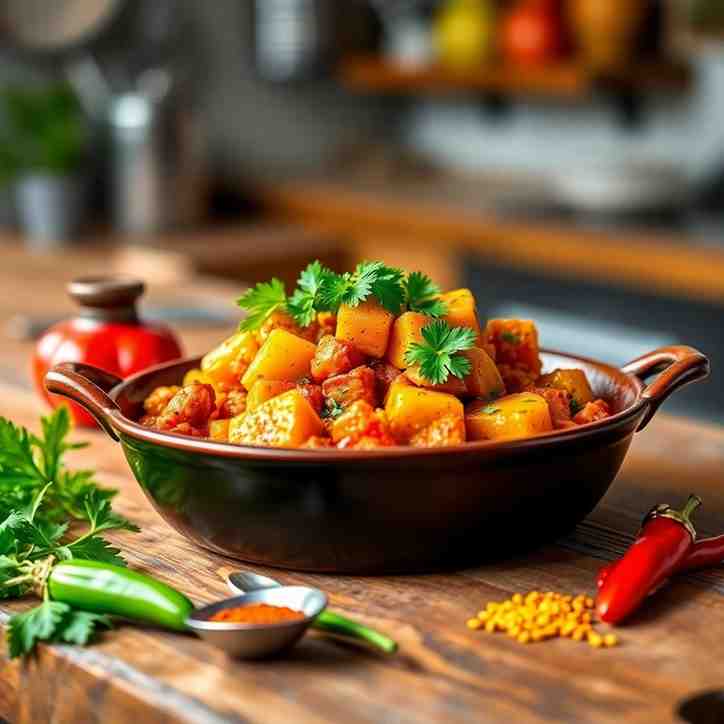
Welcome to the vibrant world of Caribbean cuisine, where every dish tells a story of rich history and incredible flavor! Today, we're taking a culinary journey to the beautiful island of Barbados to explore a true gem: Barbados Pepper Pot Delight. This isn't just any `Caribbean meat stew`; it's a slow-cooked masterpiece, brimming with tender `recipes for stewing meat` and an unforgettable kick from the star ingredient: the `hot pepper scotch bonnet`.
If you're looking to discover a traditional Barbados Pepper Pot recipe, you've come to the right place. We'll guide you through identifying key ingredients for an authentic Pepper Pot, mastering cooking techniques for rich and flavorful stews, and exploring the essential use of `scotch bonnet pepper` in Caribbean cuisine. Whether you're a seasoned chef or a kitchen newbie, our user-first approach ensures you’ll learn how to prepare this exquisite dish with confidence. Get ready to fill your home with the enticing aromas of `fresh thyme recipe`, savory `recipes using beef stew`, and the unique zest of `lime and lemon` that make this dish truly special. Let's get cooking!
Ingredients
Directions
- Prepare the Meat: In a large bowl, toss the beef stew meat with browning sauce, 1 teaspoon salt, and 1/2 teaspoon black pepper. Ensure all pieces are coated. Let it sit for at least 30 minutes at room temperature, or refrigerate for a few hours for deeper flavor.
- Sear the Beef: Heat the vegetable oil in a large, heavy-bottomed pot or Dutch oven over medium-high heat. Working in batches if necessary, sear the beef cubes until deeply browned on all sides. This step is crucial for developing rich flavor. Remove the seared beef and set aside.
- Sauté Aromatics: Reduce the heat to medium. Add the chopped `onion and peppers` (red and green bell peppers) to the pot. Sauté for 5-7 minutes until softened and translucent. Add the minced garlic and grated ginger, cooking for another minute until fragrant.
- Build the Flavor Base: Stir in the ground allspice and ground cloves, cooking for about 30 seconds until aromatic. Return the seared beef to the pot. Add the tied `fresh thyme` sprigs, cinnamon stick, bay leaves, and the whole `scotch bonnet pepper` (or minced, depending on desired heat level). Be careful not to break the whole pepper if you prefer milder heat.
- Simmer the Stew: Pour in the beef broth, ensuring the meat is mostly submerged. Bring the mixture to a boil, then reduce the heat to low, cover the pot, and let it simmer gently for at least 2.5 to 3 hours, or until the beef is fork-tender. Stir occasionally to prevent sticking.
- Finish and Season: Once the beef is tender, remove the `fresh thyme` sprigs, cinnamon stick, and bay leaves. Carefully remove the whole `scotch bonnet pepper` if you used it whole and don't want more heat, or mash it gently against the side of the pot if you desire more spice. Stir in the fresh `lime and lemon` juice and brown sugar (if using). Taste and adjust seasoning with salt and pepper as needed. The stew should be rich, savory, and slightly tangy with a pleasant warmth.
- Serve: Ladle the hot Barbados Pepper Pot Delight over a bed of fluffy rice or serve with warm roti for a truly authentic Caribbean experience. Enjoy!
Barbados Pepper Pot - Scotch Bonnet Recipe
- Serves: 6 People
- Prepare Time: 30 minutes
- Cooking Time: 3 hours
- Calories: -
- Difficulty: Medium
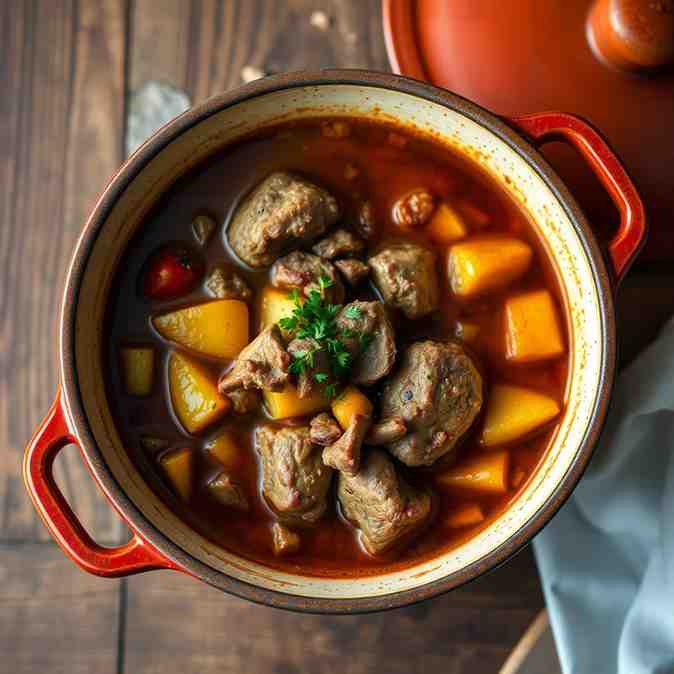
Welcome to the vibrant world of Caribbean cuisine, where every dish tells a story of rich history and incredible flavor! Today, we're taking a culinary journey to the beautiful island of Barbados to explore a true gem: Barbados Pepper Pot Delight. This isn't just any `Caribbean meat stew`; it's a slow-cooked masterpiece, brimming with tender `recipes for stewing meat` and an unforgettable kick from the star ingredient: the `hot pepper scotch bonnet`.
If you're looking to discover a traditional Barbados Pepper Pot recipe, you've come to the right place. We'll guide you through identifying key ingredients for an authentic Pepper Pot, mastering cooking techniques for rich and flavorful stews, and exploring the essential use of `scotch bonnet pepper` in Caribbean cuisine. Whether you're a seasoned chef or a kitchen newbie, our user-first approach ensures you’ll learn how to prepare this exquisite dish with confidence. Get ready to fill your home with the enticing aromas of `fresh thyme recipe`, savory `recipes using beef stew`, and the unique zest of `lime and lemon` that make this dish truly special. Let's get cooking!
Ingredients
Directions
- Prepare the Meat: In a large bowl, toss the beef stew meat with browning sauce, 1 teaspoon salt, and 1/2 teaspoon black pepper. Ensure all pieces are coated. Let it sit for at least 30 minutes at room temperature, or refrigerate for a few hours for deeper flavor.
- Sear the Beef: Heat the vegetable oil in a large, heavy-bottomed pot or Dutch oven over medium-high heat. Working in batches if necessary, sear the beef cubes until deeply browned on all sides. This step is crucial for developing rich flavor. Remove the seared beef and set aside.
- Sauté Aromatics: Reduce the heat to medium. Add the chopped `onion and peppers` (red and green bell peppers) to the pot. Sauté for 5-7 minutes until softened and translucent. Add the minced garlic and grated ginger, cooking for another minute until fragrant.
- Build the Flavor Base: Stir in the ground allspice and ground cloves, cooking for about 30 seconds until aromatic. Return the seared beef to the pot. Add the tied `fresh thyme` sprigs, cinnamon stick, bay leaves, and the whole `scotch bonnet pepper` (or minced, depending on desired heat level). Be careful not to break the whole pepper if you prefer milder heat.
- Simmer the Stew: Pour in the beef broth, ensuring the meat is mostly submerged. Bring the mixture to a boil, then reduce the heat to low, cover the pot, and let it simmer gently for at least 2.5 to 3 hours, or until the beef is fork-tender. Stir occasionally to prevent sticking.
- Finish and Season: Once the beef is tender, remove the `fresh thyme` sprigs, cinnamon stick, and bay leaves. Carefully remove the whole `scotch bonnet pepper` if you used it whole and don't want more heat, or mash it gently against the side of the pot if you desire more spice. Stir in the fresh `lime and lemon` juice and brown sugar (if using). Taste and adjust seasoning with salt and pepper as needed. The stew should be rich, savory, and slightly tangy with a pleasant warmth.
- Serve: Ladle the hot Barbados Pepper Pot Delight over a bed of fluffy rice or serve with warm roti for a truly authentic Caribbean experience. Enjoy!
The following nutritional values are per serving (one piece of cake) Calories ~450-500 kcal Carbs ~15-20g Protein ~40-45g Fat ~25-30g Making a traditional Barbados Pepper Pot can be a labor of love, but that doesn't mean you can't smarten up your cooking process! Here are a few recommendations for tools and ingredients that can help you get this delicious stew on the table faster without sacrificing flavor. Problem: Achieving perfectly tender stew beef usually takes hours of slow simmering, which isn't always practical for busy weeknights. Problem: Chopping all the aromatics – onions, garlic, `scotch bonnet pepper`, and fresh thyme – can be time-consuming and tedious, especially for a large batch. Problem: Even with a chopper, peeling and prepping individual ingredients like garlic and onions still takes time. Click any ingredient for detailed nutritional information:Recipe Nutritional Values
Additional Information
Recipe Success Tips
Ingredient Substitutions & Variations
Cultural Variations
Make-Ahead & Storage Instructions
Frequently Asked Questions
Recommended Kitchen Tools
Pressure Cooker or Instant Pot
Agitate: Waiting for tough cuts of meat to break down can feel like an eternity, and without proper tenderness, the stew just isn't the same.
Solution: A pressure cooker or Instant Pot can drastically cut down the cooking time for your beef, tenderizing it in a fraction of the time. This means you can enjoy that fall-apart texture without the all-day commitment.Food Processor or Mini Chopper
Agitate: Inconsistent chopping can lead to uneven cooking, and nobody wants to spend extra time mincing when they could be enjoying the aroma of their stew.
Solution: A food processor or mini chopper makes quick work of finely dicing your vegetables and herbs, ensuring consistent size for even cooking and saving your hands from repetitive knife work.Pre-Prepped Aromatics
Agitate: Sometimes, you just want to get straight to cooking without the initial prep hurdle, especially after a long day.
Solution: Consider using good quality pre-minced garlic from a jar or pre-chopped onions from the produce section. While fresh is always king, these can be lifesavers when you're truly pressed for time.Calories per Ingredient
You may also like



Hey there! I’m just someone who seriously loves good food and believes that cooking doesn’t have to be complicated to be amazing. Whether it’s a quick weeknight dinner or a cozy weekend meal, I’m all about sharing easy, tasty recipes that actually work.