Belgian Fries Crispy Homemade Recipe
Belgian Fries Crispy Homemade Recipe
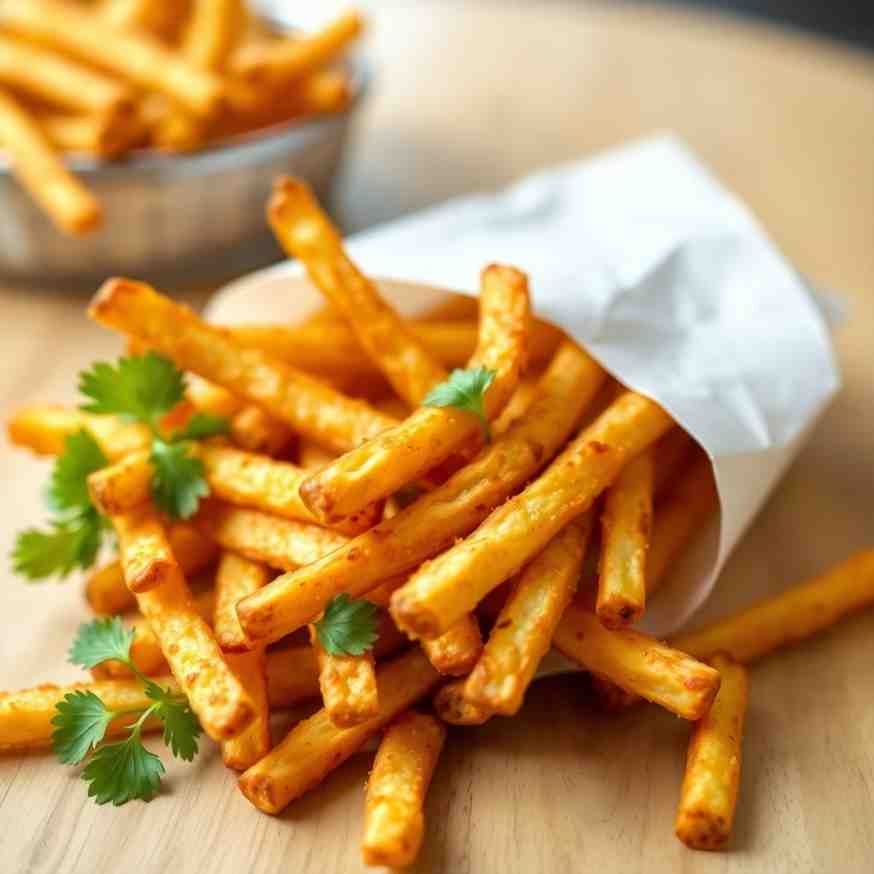
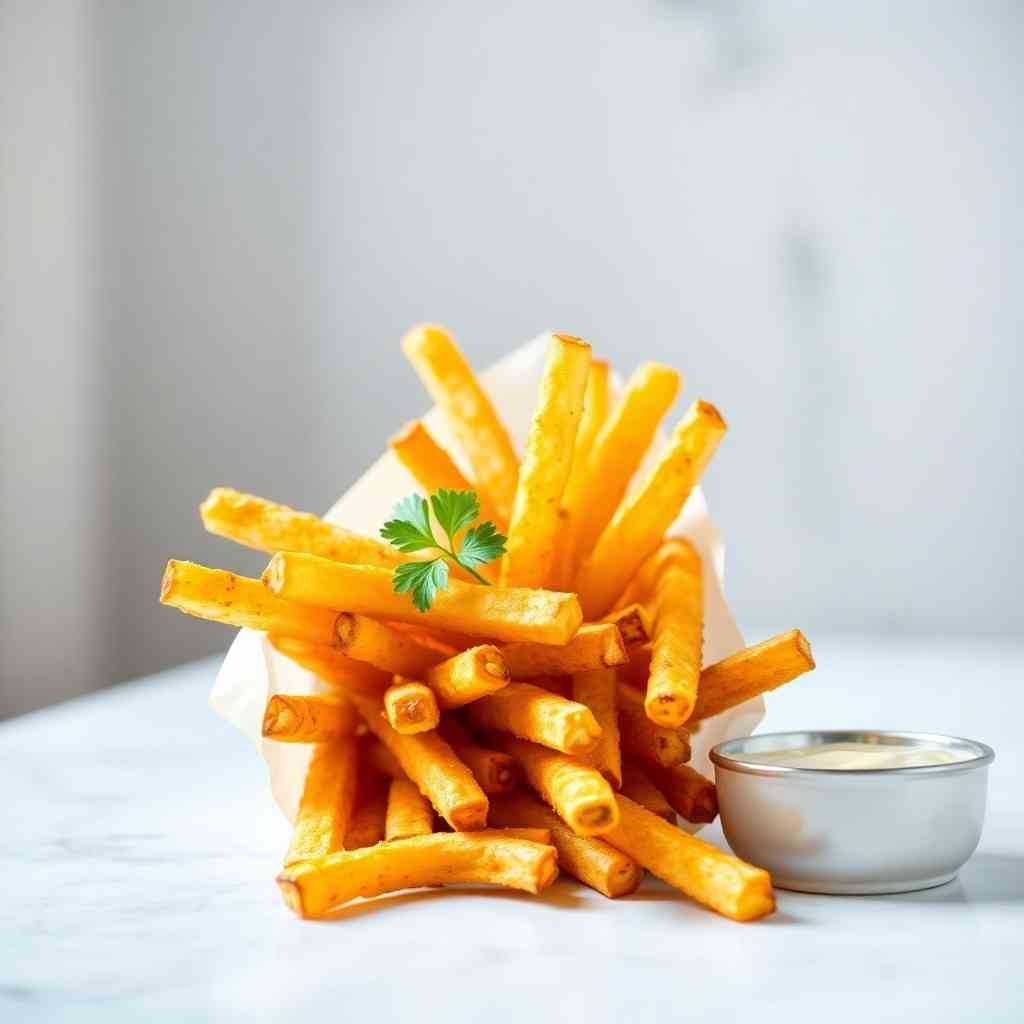
- Serves: 4 People
- Prepare Time: 20 minutes
- Cooking Time: 40 minutes
- Calories: -
- Difficulty: Medium
Ever dreamt of biting into those perfectly crisp, fluffy-centered fries you find on the bustling streets of Belgium? Good news! You don't need a plane ticket to experience that magic. This guide will walk you through creating truly authentic recipes for homemade fries right in your own kitchen. Forget soggy, limp fries; we're talking about the iconic Belgian "pommes frites" – ultra-crisp on the outside, wonderfully tender and creamy on the inside, all achieved with one simple, time-tested double-fry method.
We've meticulously tested this recipe in a home kitchen using easy-to-find US ingredients, ensuring that even beginners can master the art of making the best fries at home. Get ready to discover the secrets to deep-frying perfection, from choosing the right potato to the ideal oil temperatures, and elevate your homemade fries game to a whole new level.
Ingredients
Directions
- Cut the Potatoes First, peel your potatoes. Then, slice them lengthwise into even sticks, aiming for about ⅜ inch thick. This thickness is key for achieving that creamy interior without them becoming too soft. Keep your cuts as uniform as possible for even cooking.
- Soak and Dry Thoroughly Place your cut fries into a large bowl and cover them completely with cold water. Let them soak for at least 30 minutes, or up to several hours (you can even refrigerate them overnight). This step is vital as it removes excess surface starch, which prevents sticking and ensures a crispier fry. After soaking, drain the potatoes thoroughly. Then, spread them out on a clean kitchen towel or paper towels and pat them until they are completely dry. Any residual moisture will cause the oil to splatter and can lead to soggy fries.
- First Fry (Low-Temperature Cook) Pour your chosen frying fat (beef tallow or peanut oil) into a sturdy, deep pot, Dutch oven, or deep fryer, ensuring it's no more than halfway full to prevent overflow. Heat the oil to 300°F (150°C). Once hot, carefully add a single layer of dried potato sticks to the oil – do not overcrowd the pot, as this will drop the oil temperature and lead to limp fries. Fry the potatoes for about 6-8 minutes. During this stage, they won't brown significantly; they'll turn opaque, become tender, and start to float. They should still be pale yellow. Remove the par-fried potatoes with a spider or slotted spoon and transfer them to a wire rack set over a baking sheet (or a paper towel-lined plate) to drain and cool. Repeat with the remaining batches.
- Cool & Rest Allow the par-fried potatoes to cool completely at room temperature for at least 30 minutes. For even better results, you can chill them in the refrigerator for an hour or two, or even overnight. This cooling period is crucial for developing that ultimate crisp texture during the second fry. This is also where your make-ahead option comes in handy!
- Second Fry (High-Temperature Crisping) Once the par-fried potatoes are cool, increase the oil temperature to 375°F (190°C). Again, work in batches to avoid overcrowding. Carefully add the cooled fries to the hot oil. Fry for another 2-4 minutes, or until they achieve a deep golden-brown color and are wonderfully crisp. You'll notice the bubbling around the fries slows down as they finish cooking. Remove the finished fries from the oil with a spider or slotted spoon, shaking off any excess oil.
- Taste & Adjust Immediately transfer the hot, crispy fries to a bowl and season generously with fine sea salt. Toss them well to ensure even coating. Quickly taste a fry to check for salt and doneness. If they need a little more crispness, you can return them to the oil for another minute, but be careful not to burn them. Serve immediately!
Belgian Fries Crispy Homemade Recipe

- Serves: 4 People
- Prepare Time: 20 minutes
- Cooking Time: 40 minutes
- Calories: -
- Difficulty: Medium
Ever dreamt of biting into those perfectly crisp, fluffy-centered fries you find on the bustling streets of Belgium? Good news! You don't need a plane ticket to experience that magic. This guide will walk you through creating truly authentic recipes for homemade fries right in your own kitchen. Forget soggy, limp fries; we're talking about the iconic Belgian "pommes frites" – ultra-crisp on the outside, wonderfully tender and creamy on the inside, all achieved with one simple, time-tested double-fry method.
We've meticulously tested this recipe in a home kitchen using easy-to-find US ingredients, ensuring that even beginners can master the art of making the best fries at home. Get ready to discover the secrets to deep-frying perfection, from choosing the right potato to the ideal oil temperatures, and elevate your homemade fries game to a whole new level.
Ingredients
Directions
- Cut the Potatoes First, peel your potatoes. Then, slice them lengthwise into even sticks, aiming for about ⅜ inch thick. This thickness is key for achieving that creamy interior without them becoming too soft. Keep your cuts as uniform as possible for even cooking.
- Soak and Dry Thoroughly Place your cut fries into a large bowl and cover them completely with cold water. Let them soak for at least 30 minutes, or up to several hours (you can even refrigerate them overnight). This step is vital as it removes excess surface starch, which prevents sticking and ensures a crispier fry. After soaking, drain the potatoes thoroughly. Then, spread them out on a clean kitchen towel or paper towels and pat them until they are completely dry. Any residual moisture will cause the oil to splatter and can lead to soggy fries.
- First Fry (Low-Temperature Cook) Pour your chosen frying fat (beef tallow or peanut oil) into a sturdy, deep pot, Dutch oven, or deep fryer, ensuring it's no more than halfway full to prevent overflow. Heat the oil to 300°F (150°C). Once hot, carefully add a single layer of dried potato sticks to the oil – do not overcrowd the pot, as this will drop the oil temperature and lead to limp fries. Fry the potatoes for about 6-8 minutes. During this stage, they won't brown significantly; they'll turn opaque, become tender, and start to float. They should still be pale yellow. Remove the par-fried potatoes with a spider or slotted spoon and transfer them to a wire rack set over a baking sheet (or a paper towel-lined plate) to drain and cool. Repeat with the remaining batches.
- Cool & Rest Allow the par-fried potatoes to cool completely at room temperature for at least 30 minutes. For even better results, you can chill them in the refrigerator for an hour or two, or even overnight. This cooling period is crucial for developing that ultimate crisp texture during the second fry. This is also where your make-ahead option comes in handy!
- Second Fry (High-Temperature Crisping) Once the par-fried potatoes are cool, increase the oil temperature to 375°F (190°C). Again, work in batches to avoid overcrowding. Carefully add the cooled fries to the hot oil. Fry for another 2-4 minutes, or until they achieve a deep golden-brown color and are wonderfully crisp. You'll notice the bubbling around the fries slows down as they finish cooking. Remove the finished fries from the oil with a spider or slotted spoon, shaking off any excess oil.
- Taste & Adjust Immediately transfer the hot, crispy fries to a bowl and season generously with fine sea salt. Toss them well to ensure even coating. Quickly taste a fry to check for salt and doneness. If they need a little more crispness, you can return them to the oil for another minute, but be careful not to burn them. Serve immediately!
The following nutritional values are per serving (one piece of cake) Calories 380-450 kcal Carbohydrates 45-55g Protein 4-6g Fat 20-35g Tools and ingredients that can help you cook more easily and consistently. Making perfect Belgian fries doesn't have to be a daunting task. While the core technique is key, a few smart tools and ingredient choices can make the process smoother, safer, and even more enjoyable. Problem: Guessing oil temperature is a recipe for disaster. Too cool, and your fries are greasy and soggy; too hot, and they burn on the outside while staying raw inside. Problem: Frying in a shallow or flimsy pot is not only messy but also unsafe. Spatters are common, and maintaining a stable oil temperature is incredibly difficult, leading to unevenly cooked fries. Problem: Trying to fish hot fries out of oil with regular tongs or a small spoon can be slow, awkward, and even dangerous, increasing the risk of burns or dropping food back into the hot oil. Click any ingredient for detailed nutritional information:Recipe Nutritional Values
Additional Information
Recipe Success Tips
Ingredient Substitutions & Variations
Cultural Variations
Make-Ahead & Storage Instructions
Frequently Asked Questions
Recommended Kitchen Tools
Time-Saving Tools & Ingredients
Deep-Fry Thermometer
Agitate: Without precise temperature control, you're constantly battling inconsistent results, wasting time and ingredients, and never quite achieving that perfect Belgian crisp. It's frustrating when your hard work doesn't pay off!
Solution: A reliable deep-fry thermometer takes all the guesswork out. It allows you to maintain the exact temperatures needed for both the first gentle cook and the second high-heat crisping, ensuring consistently perfect fries every single time.Sturdy Deep Pot or Home Deep Fryer
Agitate: Dealing with hot oil requires respect. A poor setup can lead to burns, oil spills, and a generally stressful cooking experience that deters you from making homemade fries again.
Solution: A heavy-bottomed, deep pot (like a Dutch oven) or a dedicated home deep fryer provides the stability and depth needed for safe, efficient frying. It minimizes splattering and helps hold a consistent oil temperature, making the entire process less intimidating and more successful.Spider Skimmer or Slotted Spoon
Agitate: In the crucial moments after frying, every second counts for seasoning. Struggling to retrieve fries means they cool down, making it harder for salt to adhere, and potentially compromising their crispness.
Solution: A spider skimmer or a large, sturdy slotted spoon allows you to quickly and safely transfer large batches of fries from the hot oil to your draining rack. This speed is essential for immediate seasoning and maintaining that fresh-out-of-the-fryer crispness.Calories per Ingredient
You may also like

Hey there! I’m just someone who seriously loves good food and believes that cooking doesn’t have to be complicated to be amazing. Whether it’s a quick weeknight dinner or a cozy weekend meal, I’m all about sharing easy, tasty recipes that actually work.