Bhapa Pitha Recipe Easy Steamed Coconut Cakes
Bhapa Pitha Recipe Easy Steamed Coconut Cakes
- Serves: 8 People
- Prepare Time: 25 minutes
- Cooking Time: 20 minutes
- Calories: -
- Difficulty: Easy
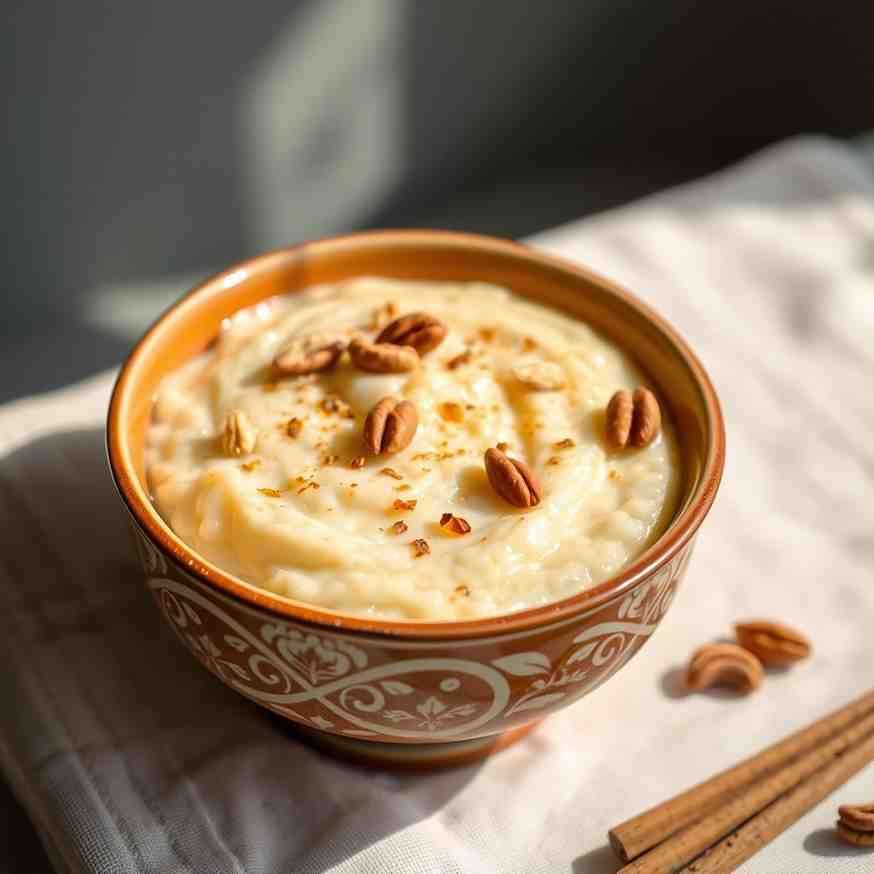
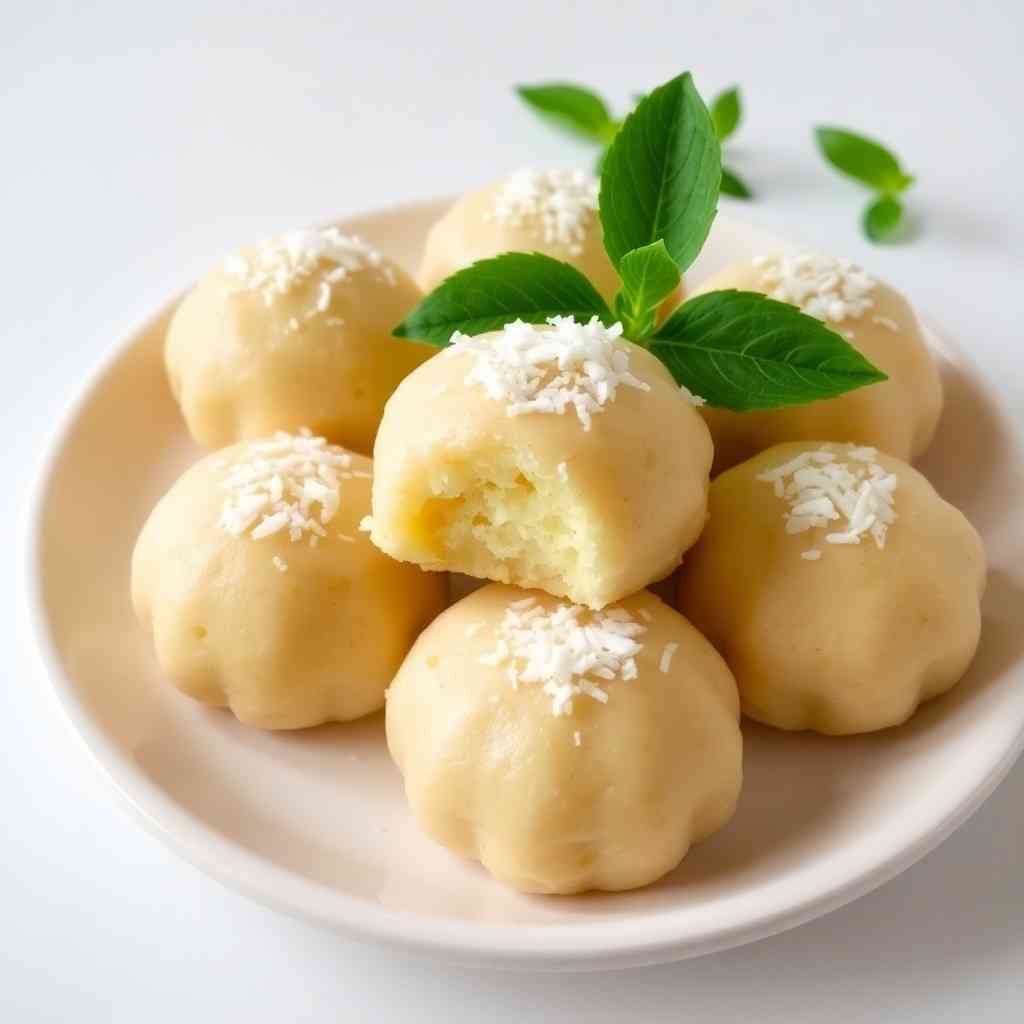
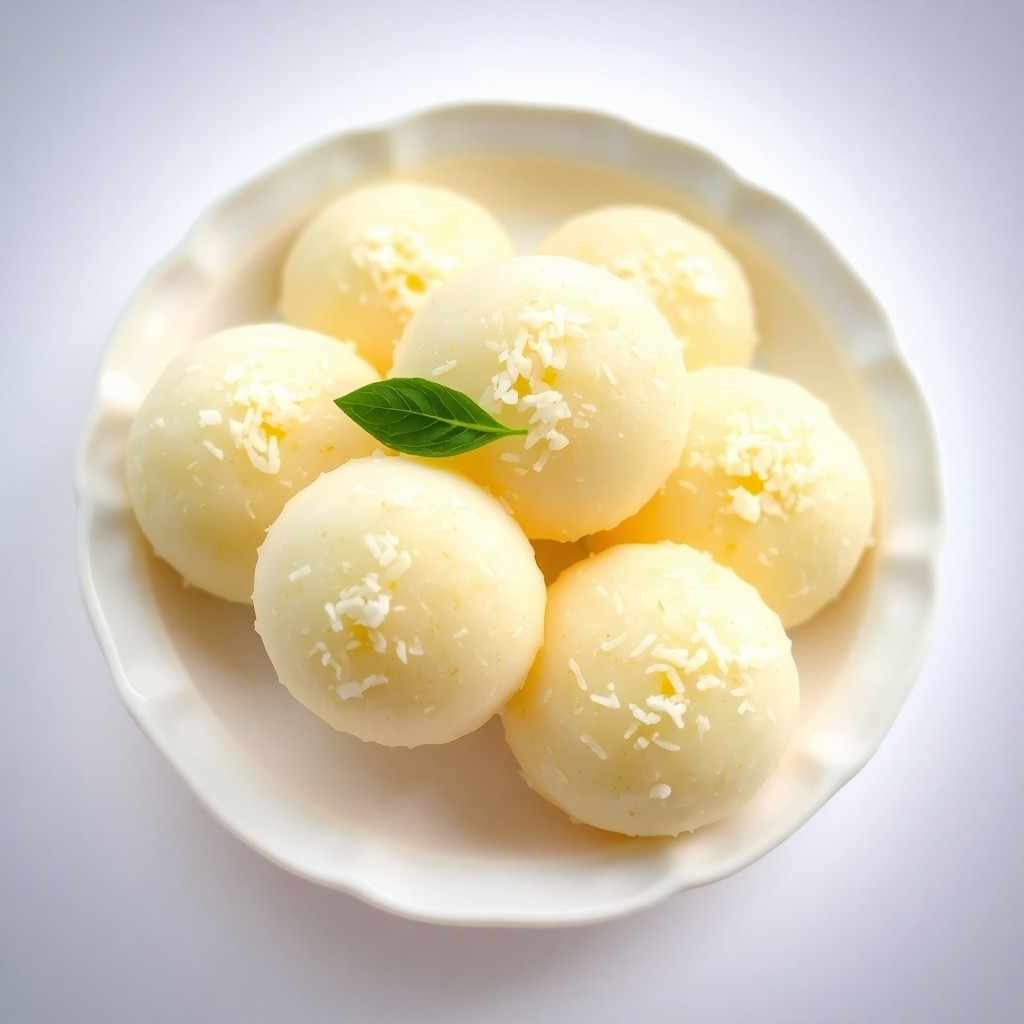
Welcome to the cozy world of Bangladeshi winter treats! Today, we’re diving into the heartwarming deliciousness of Bhapa Pitha, a classic steamed rice cake that’s as much a cultural experience as it is a dessert. Originating from the rich culinary traditions of Bengal, Bhapa Pitha is a beloved seasonal snack, often enjoyed during chilly winter evenings, festive gatherings, or simply as a comforting end to a meal. It's a simple yet incredibly satisfying sweet, celebrated for its delicate texture and rich, aromatic filling.
You're going to absolutely love this recipe because it’s a truly authentic take on a timeless classic. We're keeping things simple with everyday ingredients and a traditional steaming method that's perfectly achievable in any home kitchen. Plus, with our step-by-step guidance, handy tips, and even some optional variations, you'll be whipping up these delightful cakes like a pro in no time. Get ready for soft, pillowy rice cakes, subtly sweetened, with a luscious center of grated coconut and jaggery – a true taste of tradition that brings warmth to any occasion. While this recipe focuses on grated coconut, the essence of `coconut milk` flavors many Bengali sweets, and we'll touch on how you can infuse those rich `coconut milk recipes` vibes into your pitha.
Ingredients
Directions
- Equipment You'll Need:
- A steamer pot or a large heavy pot with a lid, plus a metal colander or mesh strainer that fits inside.
- Clean cheesecloth or muslin cloth.
- Small molds or ramekins (about 2-3 inches in diameter) or even small bowls. Traditional clay molds or banana leaf cups can also be used.
- Spatula and spoon.
- Prep Notes:
- Ensure your rice flour is fine. If it feels coarse, you can sift it once or twice.
- If using solid jaggery blocks, grate or finely chop them so they melt easily.
- If using desiccated coconut, soak it in a little warm water for 15-20 minutes, then drain well before using.
- Prepare the Rice Flour Mixture: In a large bowl, dissolve the salt in ½ cup of warm water. Let it sit for a minute. Gradually add this warm salted water to the rice flour, mixing with your fingertips. You want to achieve a crumbly, snow-like texture – it should resemble damp sand, not a sticky dough. The mixture should hold together when lightly squeezed but crumble easily when released. Add the remaining 2-4 tablespoons of warm water, a teaspoon at a time, until this consistency is reached.
- Sift for Smoothness (Optional but Recommended): For a finer, smoother pitha, sift the rice flour mixture through a coarse mesh sieve or strainer. This helps remove any lumps and ensures an even texture.
- Prepare the Filling: In a separate small bowl, gently mix the grated fresh coconut with the grated jaggery and optional cardamom powder.
- Set Up Steamer: Fill your steamer pot or large pot with about 2-3 inches of water. Bring it to a gentle boil over medium heat. Place your steaming rack or colander inside, ensuring the water does not touch the bottom of the molds.
- Mold the Pithas: Lightly grease your small molds or ramekins if desired (traditional methods often skip this, relying on the cloth). Take a small amount of the rice flour mixture and lightly fill each mold about halfway. Do not press down hard; keep it loose.
- Add the Filling: Place a small spoonful of the coconut-jaggery mixture in the center of the rice flour in each mold.
- Cover and Seal: Gently cover the filling with more of the rice flour mixture, about ⅛–¼ inch thick, to "seal" the filling. Again, press very lightly, just enough to level the top.
- Steam the Pithas: Carefully wrap each filled mold in a damp cheesecloth or muslin. If using a traditional molding cloth method, you might just place the pitha directly on the cloth and then onto the steamer. Place the wrapped molds onto the steaming rack above the boiling water. Cover the steamer pot with its lid. Steam for about 12-15 minutes.
- Check for Doneness: The pitha is done when it turns firm and opaque. You can gently touch the top; it should feel slightly springy, and the filling inside should be soft and melted.
- Unmold and Serve: Using oven mitts, carefully remove the hot molds from the steamer. Let them cool for 2-3 minutes – this makes unmolding easier. Gently unmold the Bhapa Pitha onto a plate. A small spatula can help if needed. Serve warm immediately!
Bhapa Pitha Recipe Easy Steamed Coconut Cakes
- Serves: 8 People
- Prepare Time: 25 minutes
- Cooking Time: 20 minutes
- Calories: -
- Difficulty: Easy
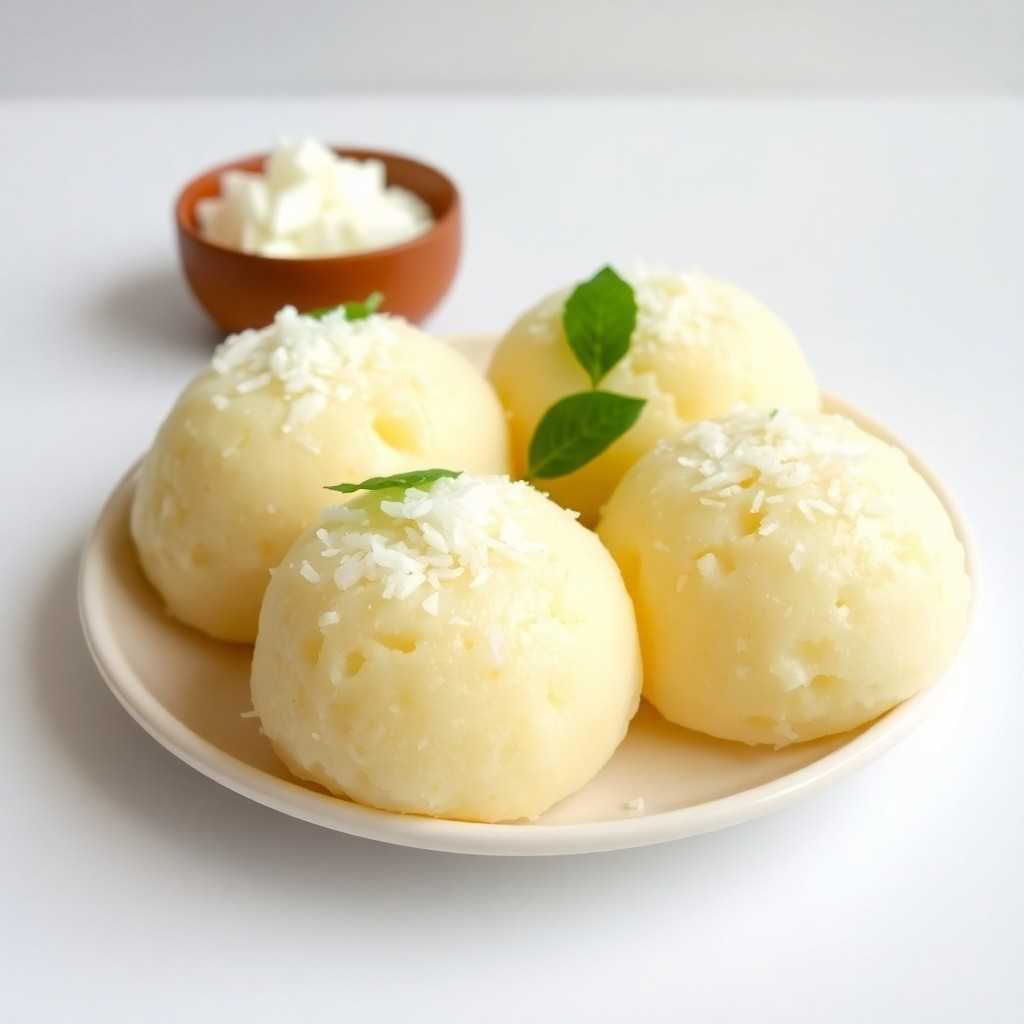
Welcome to the cozy world of Bangladeshi winter treats! Today, we’re diving into the heartwarming deliciousness of Bhapa Pitha, a classic steamed rice cake that’s as much a cultural experience as it is a dessert. Originating from the rich culinary traditions of Bengal, Bhapa Pitha is a beloved seasonal snack, often enjoyed during chilly winter evenings, festive gatherings, or simply as a comforting end to a meal. It's a simple yet incredibly satisfying sweet, celebrated for its delicate texture and rich, aromatic filling.
You're going to absolutely love this recipe because it’s a truly authentic take on a timeless classic. We're keeping things simple with everyday ingredients and a traditional steaming method that's perfectly achievable in any home kitchen. Plus, with our step-by-step guidance, handy tips, and even some optional variations, you'll be whipping up these delightful cakes like a pro in no time. Get ready for soft, pillowy rice cakes, subtly sweetened, with a luscious center of grated coconut and jaggery – a true taste of tradition that brings warmth to any occasion. While this recipe focuses on grated coconut, the essence of `coconut milk` flavors many Bengali sweets, and we'll touch on how you can infuse those rich `coconut milk recipes` vibes into your pitha.
Ingredients
Directions
- Equipment You'll Need:
- A steamer pot or a large heavy pot with a lid, plus a metal colander or mesh strainer that fits inside.
- Clean cheesecloth or muslin cloth.
- Small molds or ramekins (about 2-3 inches in diameter) or even small bowls. Traditional clay molds or banana leaf cups can also be used.
- Spatula and spoon.
- Prep Notes:
- Ensure your rice flour is fine. If it feels coarse, you can sift it once or twice.
- If using solid jaggery blocks, grate or finely chop them so they melt easily.
- If using desiccated coconut, soak it in a little warm water for 15-20 minutes, then drain well before using.
- Prepare the Rice Flour Mixture: In a large bowl, dissolve the salt in ½ cup of warm water. Let it sit for a minute. Gradually add this warm salted water to the rice flour, mixing with your fingertips. You want to achieve a crumbly, snow-like texture – it should resemble damp sand, not a sticky dough. The mixture should hold together when lightly squeezed but crumble easily when released. Add the remaining 2-4 tablespoons of warm water, a teaspoon at a time, until this consistency is reached.
- Sift for Smoothness (Optional but Recommended): For a finer, smoother pitha, sift the rice flour mixture through a coarse mesh sieve or strainer. This helps remove any lumps and ensures an even texture.
- Prepare the Filling: In a separate small bowl, gently mix the grated fresh coconut with the grated jaggery and optional cardamom powder.
- Set Up Steamer: Fill your steamer pot or large pot with about 2-3 inches of water. Bring it to a gentle boil over medium heat. Place your steaming rack or colander inside, ensuring the water does not touch the bottom of the molds.
- Mold the Pithas: Lightly grease your small molds or ramekins if desired (traditional methods often skip this, relying on the cloth). Take a small amount of the rice flour mixture and lightly fill each mold about halfway. Do not press down hard; keep it loose.
- Add the Filling: Place a small spoonful of the coconut-jaggery mixture in the center of the rice flour in each mold.
- Cover and Seal: Gently cover the filling with more of the rice flour mixture, about ⅛–¼ inch thick, to "seal" the filling. Again, press very lightly, just enough to level the top.
- Steam the Pithas: Carefully wrap each filled mold in a damp cheesecloth or muslin. If using a traditional molding cloth method, you might just place the pitha directly on the cloth and then onto the steamer. Place the wrapped molds onto the steaming rack above the boiling water. Cover the steamer pot with its lid. Steam for about 12-15 minutes.
- Check for Doneness: The pitha is done when it turns firm and opaque. You can gently touch the top; it should feel slightly springy, and the filling inside should be soft and melted.
- Unmold and Serve: Using oven mitts, carefully remove the hot molds from the steamer. Let them cool for 2-3 minutes – this makes unmolding easier. Gently unmold the Bhapa Pitha onto a plate. A small spatula can help if needed. Serve warm immediately!
The following nutritional values are per serving (one piece of cake) Calories ~180-220 kcal Carbohydrates ~35-45g Protein ~2-3g Fat ~5-8g Sugar ~15-20g (mostly from jaggery/coconut) Time-Saving Tools & Ingredients Making Bhapa Pitha is a labor of love, but a few clever tools and ingredient choices can make the process smoother and quicker, especially if you're new to it or short on time. ### Problem: Steaming can be tricky without the right setup. Time-Saving Tools & Ingredients Making Bhapa Pitha is a labor of love, but a few clever tools and ingredient choices can make the process smoother and quicker, especially if you're new to it or short on time. Click any ingredient for detailed nutritional information:Recipe Nutritional Values
Additional Information
Recipe Success Tips
Ingredient Substitutions & Variations
Cultural Variations
Make-Ahead & Storage Instructions
Frequently Asked Questions
Recommended Kitchen Tools
Kitchen Tool
Calories per Ingredient
You may also like




Hey there! I’m just someone who seriously loves good food and believes that cooking doesn’t have to be complicated to be amazing. Whether it’s a quick weeknight dinner or a cozy weekend meal, I’m all about sharing easy, tasty recipes that actually work.