Bolo de Rolo - Brazil's Roll Cake
Bolo de Rolo - Brazil's Roll Cake
- Serves: 8 People
- Prepare Time: 45 minutes
- Cooking Time: 30 minutes
- Calories: -
- Difficulty: Medium
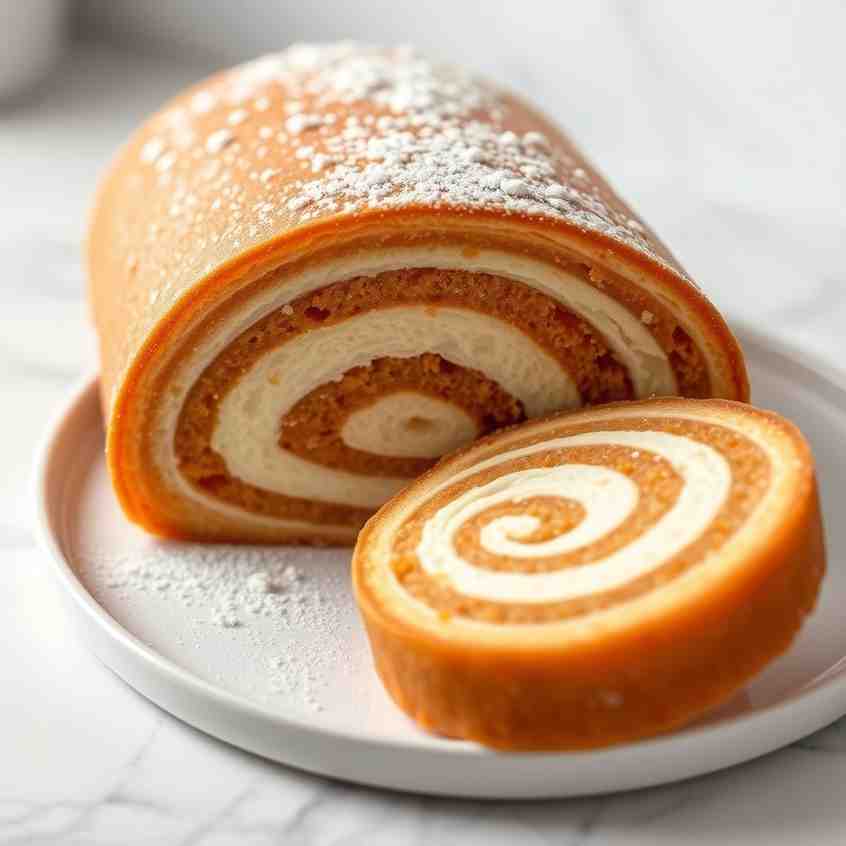
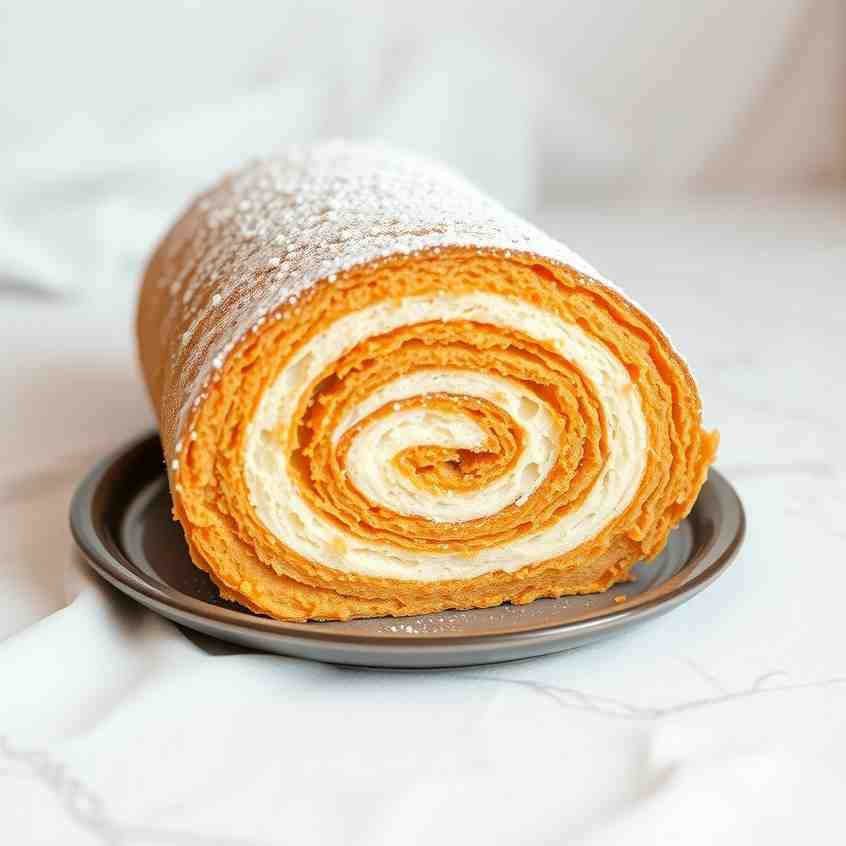
Welcome to the sweet, spiraled world of Bolo de Rolo, Brazil's answer to the classic cake roll cake! Imagine delicate, paper-thin layers of sponge cake, generously spread with sweet guava paste, then meticulously rolled into a stunning, vibrant spiral. This isn't just any swiss roll cake; it's a culinary masterpiece from Pernambuco, Brazil, famous for its intricate beauty and irresistible flavor.
If you've ever dreamt of learning how to bake a cake from scratch that truly impresses, or mastering the art of creating perfect layers for cake, you're in the right place. Our recipe to make a cake like Bolo de Rolo simplifies the process, making it accessible for home bakers. We'll guide you through every step, from gathering your ingredients to make a cake to achieving those signature, delicate spirals. Get ready to unveil the secrets behind this "roll cake" wonder and bring a taste of Brazil's delicious heritage right into your kitchen!
Ingredients
Directions
- Prep Your Workspace & Oven
- Preheat your oven to 350°F (175°C).
- Line a large baking sheet (about 12x17 inches or 30x43 cm) with parchment paper. Lightly grease the parchment paper with butter or non-stick spray, then dust with a little flour, tapping out any excess. This is crucial for easy removal of the thin cake layers.
- Prepare the Cake Batter
- In a large bowl, cream together the softened butter and granulated sugar until light, fluffy, and pale in color (about 5-7 minutes with an electric mixer).
- Beat in the egg yolks one at a time, mixing well after each addition until fully incorporated. Stir in the vanilla extract.
- In a separate clean, dry bowl, beat the egg whites with a pinch of salt until stiff peaks form. Be careful not to overbeat.
- Gradually fold the sifted flour into the butter-yolk mixture, alternating with spoonfuls of the beaten egg whites. Begin and end with flour. Fold gently until just combined, being careful not to deflate the egg whites. The batter should be light and airy.
- Bake the Thin Cake Layers
- Divide the batter into 4-5 equal portions. For each layer, spread one portion of batter very thinly and evenly over the prepared parchment paper on your baking sheet. Use an offset spatula or the back of a spoon to ensure it's as thin as possible.
- Bake for 5-7 minutes, or until the edges are lightly golden and the cake is set and springs back when gently touched. The cake should be moist but not sticky. Watch carefully, as these thin layers bake quickly!
- While one layer bakes, prepare the next portion of batter on a new sheet of parchment paper, ready to go into the oven.
- As soon as a layer comes out of the oven, carefully invert it onto a clean kitchen towel (or another sheet of parchment paper) dusted with powdered sugar. Peel off the baking parchment paper immediately. Trim any crispy edges if desired.
- Prepare the Guava Filling
- While the cake layers are baking, prepare your guava filling. In a small saucepan, combine the guava paste (cut into smaller pieces) and ½ cup of water.
- Heat over low-medium heat, stirring frequently, until the guava paste melts and forms a smooth, spreadable consistency. If it's too thick, add a little more water, one tablespoon at a time, until it reaches a jam-like texture. Remove from heat.
- Assemble and Roll the Bolo de Rolo
- Working quickly while the cake layers are still warm and pliable (this prevents cracking), spread a thin, even layer of the warm guava paste over each cake layer.
- Place the first guava-covered cake layer on your work surface. Take a second cake layer, spread with guava, and carefully place it on top of the first, aligning the edges. Repeat with all remaining layers, creating a stack of cake and guava.
- Starting from one of the shorter ends, carefully and tightly roll the stacked cake layers into a log. Take your time to make the roll as tight as possible to achieve those beautiful spirals.
- Once rolled, wrap the Bolo de Rolo tightly in plastic wrap and refrigerate for at least 1-2 hours (or preferably overnight) to allow it to firm up and the layers to meld.
- Finish and Serve
- Before serving, unwrap the Bolo de Rolo.
- Dust generously with powdered sugar.
- Using a very sharp knife (and wiping the blade between cuts), slice the Bolo de Rolo into thin, elegant rounds.
- Serve and enjoy this deliciously spiraled Brazilian treat!
Bolo de Rolo - Brazil's Roll Cake

- Serves: 8 People
- Prepare Time: 45 minutes
- Cooking Time: 30 minutes
- Calories: -
- Difficulty: Medium
Welcome to the sweet, spiraled world of Bolo de Rolo, Brazil's answer to the classic cake roll cake! Imagine delicate, paper-thin layers of sponge cake, generously spread with sweet guava paste, then meticulously rolled into a stunning, vibrant spiral. This isn't just any swiss roll cake; it's a culinary masterpiece from Pernambuco, Brazil, famous for its intricate beauty and irresistible flavor.
If you've ever dreamt of learning how to bake a cake from scratch that truly impresses, or mastering the art of creating perfect layers for cake, you're in the right place. Our recipe to make a cake like Bolo de Rolo simplifies the process, making it accessible for home bakers. We'll guide you through every step, from gathering your ingredients to make a cake to achieving those signature, delicate spirals. Get ready to unveil the secrets behind this "roll cake" wonder and bring a taste of Brazil's delicious heritage right into your kitchen!
Ingredients
Directions
- Prep Your Workspace & Oven
- Preheat your oven to 350°F (175°C).
- Line a large baking sheet (about 12x17 inches or 30x43 cm) with parchment paper. Lightly grease the parchment paper with butter or non-stick spray, then dust with a little flour, tapping out any excess. This is crucial for easy removal of the thin cake layers.
- Prepare the Cake Batter
- In a large bowl, cream together the softened butter and granulated sugar until light, fluffy, and pale in color (about 5-7 minutes with an electric mixer).
- Beat in the egg yolks one at a time, mixing well after each addition until fully incorporated. Stir in the vanilla extract.
- In a separate clean, dry bowl, beat the egg whites with a pinch of salt until stiff peaks form. Be careful not to overbeat.
- Gradually fold the sifted flour into the butter-yolk mixture, alternating with spoonfuls of the beaten egg whites. Begin and end with flour. Fold gently until just combined, being careful not to deflate the egg whites. The batter should be light and airy.
- Bake the Thin Cake Layers
- Divide the batter into 4-5 equal portions. For each layer, spread one portion of batter very thinly and evenly over the prepared parchment paper on your baking sheet. Use an offset spatula or the back of a spoon to ensure it's as thin as possible.
- Bake for 5-7 minutes, or until the edges are lightly golden and the cake is set and springs back when gently touched. The cake should be moist but not sticky. Watch carefully, as these thin layers bake quickly!
- While one layer bakes, prepare the next portion of batter on a new sheet of parchment paper, ready to go into the oven.
- As soon as a layer comes out of the oven, carefully invert it onto a clean kitchen towel (or another sheet of parchment paper) dusted with powdered sugar. Peel off the baking parchment paper immediately. Trim any crispy edges if desired.
- Prepare the Guava Filling
- While the cake layers are baking, prepare your guava filling. In a small saucepan, combine the guava paste (cut into smaller pieces) and ½ cup of water.
- Heat over low-medium heat, stirring frequently, until the guava paste melts and forms a smooth, spreadable consistency. If it's too thick, add a little more water, one tablespoon at a time, until it reaches a jam-like texture. Remove from heat.
- Assemble and Roll the Bolo de Rolo
- Working quickly while the cake layers are still warm and pliable (this prevents cracking), spread a thin, even layer of the warm guava paste over each cake layer.
- Place the first guava-covered cake layer on your work surface. Take a second cake layer, spread with guava, and carefully place it on top of the first, aligning the edges. Repeat with all remaining layers, creating a stack of cake and guava.
- Starting from one of the shorter ends, carefully and tightly roll the stacked cake layers into a log. Take your time to make the roll as tight as possible to achieve those beautiful spirals.
- Once rolled, wrap the Bolo de Rolo tightly in plastic wrap and refrigerate for at least 1-2 hours (or preferably overnight) to allow it to firm up and the layers to meld.
- Finish and Serve
- Before serving, unwrap the Bolo de Rolo.
- Dust generously with powdered sugar.
- Using a very sharp knife (and wiping the blade between cuts), slice the Bolo de Rolo into thin, elegant rounds.
- Serve and enjoy this deliciously spiraled Brazilian treat!
The following nutritional values are per serving (one piece of cake) Calories Approximately 350-400 kcal Carbohydrates Approximately 50-60g Protein Approximately 5-7g Fat Approximately 15-20g Making Bolo de Rolo is a labor of love, but a few smart tools and ingredients can make the process smoother and faster, especially when you're aiming for those perfect, thin layers. Problem: Getting those super thin cake layers to release cleanly from parchment paper can be a real headache, and sometimes they stick or tear. Problem: Spreading thin batter evenly across a large baking sheet with a regular spoon or knife can be tricky, leading to inconsistent thickness. Problem: Achieving that light, airy, and thoroughly combined batter for your cake batter recipe requires consistent mixing, which can be tiring and inconsistent by hand. Problem: Sifting flour takes an extra step, and sometimes you just want to get straight to the cake preparation recipe. Click any ingredient for detailed nutritional information:Recipe Nutritional Values
Additional Information
Recipe Success Tips
Pro Tips, Variations & Storage
Ingredient Substitutions & Variations
Cultural Variations
Make-Ahead & Storage Instructions
Frequently Asked Questions
Recommended Kitchen Tools
Silicone Baking Mats
Agitate: A torn cake layer means starting over, or at best, a less-than-perfect spiral for your beautiful cake roll cake.
Solution: A high-quality silicone baking mat provides a naturally non-stick surface that makes peeling off delicate, thin cake layers a breeze. Plus, they're reusable, which is great for the environment and your wallet!Offset Spatula
Agitate: Uneven layers bake at different rates, resulting in dry spots or raw patches, and making your swiss roll cake harder to roll without cracking.
Solution: An offset spatula gives you the control and reach needed to effortlessly spread your batter into a perfectly uniform, thin layer, ensuring even baking and a beautiful spiral.Stand Mixer with Paddle Attachment
Agitate: Over- or under-mixing can impact the texture and rise of your delicate cake layers, making them dense or crumbly.
Solution: A stand mixer does all the hard work for you, ensuring your butter and sugar are perfectly creamed and your ingredients are thoroughly incorporated without overworking the gluten, giving you a consistently tender crumb every time.Pre-Sifted All-Purpose Flour
Agitate: Lumps in your flour can lead to an inconsistent batter and a less smooth cake texture, impacting the delicate nature of your layers for cake.
Solution: Using pre-sifted flour saves you time and guarantees a fine, aerated flour, which helps create a smoother batter and a lighter, more uniform cake crumb right from the start.Calories per Ingredient
You may also like



Hey there! I’m just someone who seriously loves good food and believes that cooking doesn’t have to be complicated to be amazing. Whether it’s a quick weeknight dinner or a cozy weekend meal, I’m all about sharing easy, tasty recipes that actually work.