Selchfleisch Dumplings Austrian Smoked Meat
Selchfleisch Dumplings Austrian Smoked Meat
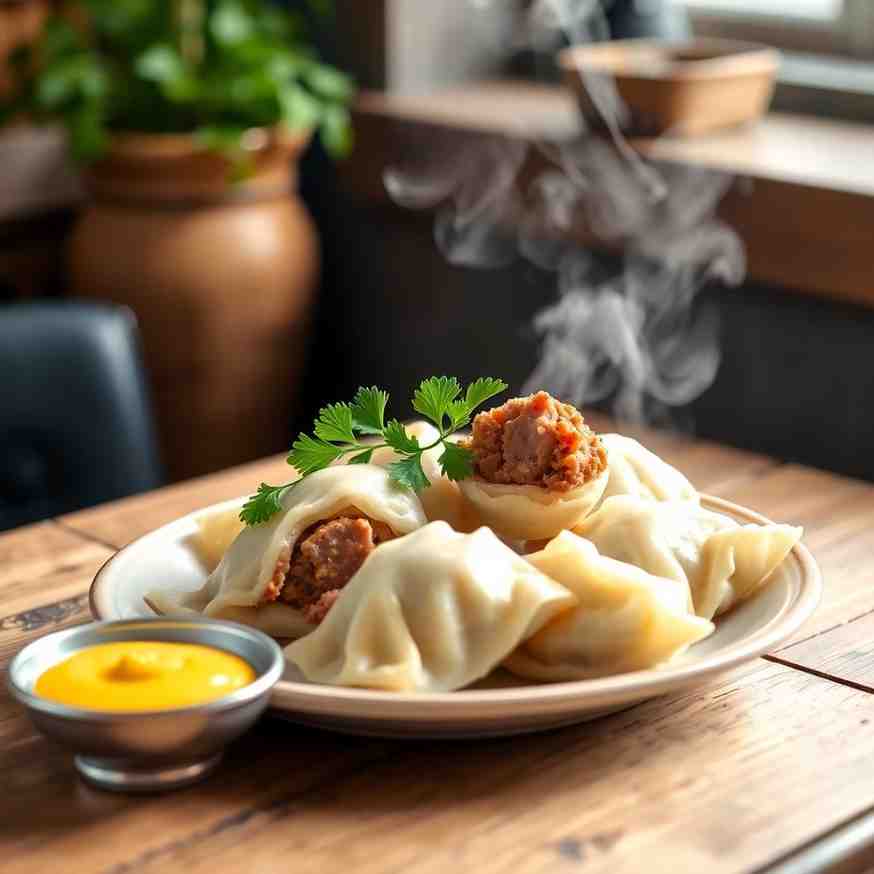
- Serves: 4 People
- Prepare Time: 45 minutes
- Cooking Time: 20 minutes
- Calories: -
- Difficulty: Easy
Welcome to the cozy, comforting world of Selchfleischknödel – traditional Austrian smoked pork dumplings! If you've ever dreamt of bringing the authentic flavors of the Alps into your kitchen, you're in the right place. Selchfleisch is a beloved smoked, cured pork common in Austria and Central Europe, known for its incredible depth of flavor. These delightful dumplings feature a soft, pillowy potato dough wrapped around a savory, garlicky, and herby smoked meat filling, often enhanced with a touch of mountain cheese. They're typically served with tangy sauerkraut or simple, hearty sides, making for a truly satisfying meal.
Now, before you think you need a ticket to Vienna, let us reassure you: you can absolutely make this Selchfleisch smoked meat recipe at home! Whether you use readily available grocery-store smoked pork or even leftover smoked brisket, we’ll walk you through every step. This guide covers everything from cooking instructions for perfect dumplings and the traditional recipe roots of Austrian pork dishes, to a detailed ingredient list with US-friendly substitutes, and even an optional section on smoking techniques if you're an enthusiast looking to make your own smoked meat from scratch. Get ready to create a dish that's both a culinary adventure and a warm hug from Austria!
Ingredients
Directions
- Prep the Smoked Pork Filling
Chop the Pork: Finely chop your smoked pork (Selchfleisch) into small, even pieces. Aim for a mix of lean meat and some fatty bits for maximum flavor.
Sauté Aromatics: In a medium skillet, melt the butter or lard over medium heat. Add the finely minced onion and sauté until softened and translucent, about 5-7 minutes.
Brown the Pork: Add the chopped smoked meat to the skillet with the onions. Cook, stirring occasionally, until the edges of the pork are lightly browned and crispy, about 8-10 minutes.
Add Herbs & Garlic: Stir in the minced garlic and fresh herbs (parsley/chives). Cook for another minute until fragrant.
Cool & Combine: Remove the skillet from the heat and let the mixture cool slightly. Transfer to a mixing bowl, then stir in the grated cheese, lightly beaten egg, and breadcrumbs. Mix until well combined and the mixture holds together when gently squeezed.
Taste Test: Taste a small amount of the filling for seasoning. Given that smoked pork is often salty, add additional salt and pepper only if needed. Set aside.Make the Potato Dough
Boil Potatoes: Boil the starchy potatoes in their skins until very tender when pierced with a fork.
Steam Dry: Drain the potatoes thoroughly and let them steam-dry for a few minutes. This helps remove excess moisture, which is key for good dough texture.
Mash & Season: While still warm, peel the potatoes and press them through a potato ricer or mash them very finely. Stir in the melted butter, egg yolk, salt, and freshly grated nutmeg until well combined.
Add Dry Ingredients: Gradually add the flour and fine semolina to the potato mixture. Mix gently with your hands until a soft, slightly tacky dough forms. Avoid overworking the dough.
Rest the Dough: Cover the dough and let it rest for 10-15 minutes. This allows the flour to hydrate, making the dough easier to handle.
Check Consistency: The dough should be soft but firm enough to hold its shape. If it feels aggressively sticky, add an additional spoonful of flour, a little at a time, until it's manageable. - Shape the Dumplings
Divide Dough: Lightly flour a work surface and your hands. Divide the potato dough into equal pieces. For 12-16 dumplings, each piece should be about 2-2.5 oz (60-70g).
Form Discs: Pat each piece of dough into a thick, flat disc, about 3-4 inches in diameter.
Fill Dumplings: Place a spoonful (about 1.5-2 tablespoons) of the smoked pork filling in the center of each dough disc.
Seal & Shape: Carefully wrap the dough around the filling, bringing the edges up and pinching them firmly to seal completely. Gently roll the dumpling between your palms to create a smooth, round ball.
Prevent Drying: Place the shaped dumplings on a lightly floured tray or baking sheet. Keep them covered with a clean kitchen towel or plastic wrap to prevent them from drying out while you finish shaping the rest. Your dumplings should look smooth with no visible cracks. - Cook the Dumplings (Simmer, Don’t Boil Hard)
Prepare Water: Bring a large pot of generously salted water or light broth to a gentle simmer over medium heat. It’s crucial to avoid a full, rolling boil, as this can cause the delicate dumplings to burst.
Add Dumplings: Carefully lower the dumplings into the simmering water, a few at a time, ensuring they have enough space. Stir once or twice gently to prevent them from sticking to the bottom of the pot.
Simmer Until Done: Cook the dumplings for 12-15 minutes, depending on their size. They are done when they float to the surface and feel firm but slightly springy when gently pressed.
Doneness Check: To be sure, you can carefully remove one test dumpling, cut it open, and check that the filling is hot, the cheese is melted, and the potato dough is cooked through (no raw, gummy center). - Serve
Plate & Garnish: Using a slotted spoon, carefully remove the cooked dumplings from the water. Plate them immediately with traditional sides like warm sauerkraut, a creamy pea purée, or a simple green salad.
Optional Enhancements: For an extra touch of richness and flavor, drizzle with a bit of browned butter and a sprinkle of fresh herbs like chives or parsley.
Pairings: These hearty dumplings pair wonderfully with a crisp Austrian Grüner Veltliner wine or a robust lager-style beer.
Selchfleisch Dumplings Austrian Smoked Meat

- Serves: 4 People
- Prepare Time: 45 minutes
- Cooking Time: 20 minutes
- Calories: -
- Difficulty: Easy
Welcome to the cozy, comforting world of Selchfleischknödel – traditional Austrian smoked pork dumplings! If you've ever dreamt of bringing the authentic flavors of the Alps into your kitchen, you're in the right place. Selchfleisch is a beloved smoked, cured pork common in Austria and Central Europe, known for its incredible depth of flavor. These delightful dumplings feature a soft, pillowy potato dough wrapped around a savory, garlicky, and herby smoked meat filling, often enhanced with a touch of mountain cheese. They're typically served with tangy sauerkraut or simple, hearty sides, making for a truly satisfying meal.
Now, before you think you need a ticket to Vienna, let us reassure you: you can absolutely make this Selchfleisch smoked meat recipe at home! Whether you use readily available grocery-store smoked pork or even leftover smoked brisket, we’ll walk you through every step. This guide covers everything from cooking instructions for perfect dumplings and the traditional recipe roots of Austrian pork dishes, to a detailed ingredient list with US-friendly substitutes, and even an optional section on smoking techniques if you're an enthusiast looking to make your own smoked meat from scratch. Get ready to create a dish that's both a culinary adventure and a warm hug from Austria!
Ingredients
Directions
- Prep the Smoked Pork Filling
Chop the Pork: Finely chop your smoked pork (Selchfleisch) into small, even pieces. Aim for a mix of lean meat and some fatty bits for maximum flavor.
Sauté Aromatics: In a medium skillet, melt the butter or lard over medium heat. Add the finely minced onion and sauté until softened and translucent, about 5-7 minutes.
Brown the Pork: Add the chopped smoked meat to the skillet with the onions. Cook, stirring occasionally, until the edges of the pork are lightly browned and crispy, about 8-10 minutes.
Add Herbs & Garlic: Stir in the minced garlic and fresh herbs (parsley/chives). Cook for another minute until fragrant.
Cool & Combine: Remove the skillet from the heat and let the mixture cool slightly. Transfer to a mixing bowl, then stir in the grated cheese, lightly beaten egg, and breadcrumbs. Mix until well combined and the mixture holds together when gently squeezed.
Taste Test: Taste a small amount of the filling for seasoning. Given that smoked pork is often salty, add additional salt and pepper only if needed. Set aside.Make the Potato Dough
Boil Potatoes: Boil the starchy potatoes in their skins until very tender when pierced with a fork.
Steam Dry: Drain the potatoes thoroughly and let them steam-dry for a few minutes. This helps remove excess moisture, which is key for good dough texture.
Mash & Season: While still warm, peel the potatoes and press them through a potato ricer or mash them very finely. Stir in the melted butter, egg yolk, salt, and freshly grated nutmeg until well combined.
Add Dry Ingredients: Gradually add the flour and fine semolina to the potato mixture. Mix gently with your hands until a soft, slightly tacky dough forms. Avoid overworking the dough.
Rest the Dough: Cover the dough and let it rest for 10-15 minutes. This allows the flour to hydrate, making the dough easier to handle.
Check Consistency: The dough should be soft but firm enough to hold its shape. If it feels aggressively sticky, add an additional spoonful of flour, a little at a time, until it's manageable. - Shape the Dumplings
Divide Dough: Lightly flour a work surface and your hands. Divide the potato dough into equal pieces. For 12-16 dumplings, each piece should be about 2-2.5 oz (60-70g).
Form Discs: Pat each piece of dough into a thick, flat disc, about 3-4 inches in diameter.
Fill Dumplings: Place a spoonful (about 1.5-2 tablespoons) of the smoked pork filling in the center of each dough disc.
Seal & Shape: Carefully wrap the dough around the filling, bringing the edges up and pinching them firmly to seal completely. Gently roll the dumpling between your palms to create a smooth, round ball.
Prevent Drying: Place the shaped dumplings on a lightly floured tray or baking sheet. Keep them covered with a clean kitchen towel or plastic wrap to prevent them from drying out while you finish shaping the rest. Your dumplings should look smooth with no visible cracks. - Cook the Dumplings (Simmer, Don’t Boil Hard)
Prepare Water: Bring a large pot of generously salted water or light broth to a gentle simmer over medium heat. It’s crucial to avoid a full, rolling boil, as this can cause the delicate dumplings to burst.
Add Dumplings: Carefully lower the dumplings into the simmering water, a few at a time, ensuring they have enough space. Stir once or twice gently to prevent them from sticking to the bottom of the pot.
Simmer Until Done: Cook the dumplings for 12-15 minutes, depending on their size. They are done when they float to the surface and feel firm but slightly springy when gently pressed.
Doneness Check: To be sure, you can carefully remove one test dumpling, cut it open, and check that the filling is hot, the cheese is melted, and the potato dough is cooked through (no raw, gummy center). - Serve
Plate & Garnish: Using a slotted spoon, carefully remove the cooked dumplings from the water. Plate them immediately with traditional sides like warm sauerkraut, a creamy pea purée, or a simple green salad.
Optional Enhancements: For an extra touch of richness and flavor, drizzle with a bit of browned butter and a sprinkle of fresh herbs like chives or parsley.
Pairings: These hearty dumplings pair wonderfully with a crisp Austrian Grüner Veltliner wine or a robust lager-style beer.
The following nutritional values are per serving (one piece of cake) Calories ~550-650 kcal Carbohydrates ~50-60g Protein ~30-35g Fat ~25-35g Sometimes, you just want to get those delicious dumplings on the table a little faster! Here are a few things that can help you speed up the process without sacrificing flavor. Problem: Finely chopping smoked pork and onions can be tedious and time-consuming, especially when you want a consistent texture for your dumpling filling. Problem: Mashing potatoes by hand for the dough can leave lumps, making your dumplings less smooth and potentially difficult to work with. Problem: Finding authentic Selchfleisch or the right smoked pork can be a challenge in some grocery stores. Click any ingredient for detailed nutritional information:Recipe Nutritional Values
Additional Information
Recipe Success Tips
Ingredient Substitutions & Variations
Simple Side Dishes That Work:
Make-Ahead & Storage Instructions
Optional: DIY Selchfleisch Smoking Guide
Frequently Asked Questions
Recommended Kitchen Tools
Time-Saving Tools & Ingredients
Agitate: Hand-chopping takes forever and often results in uneven pieces, which can make your filling chunky or difficult to bind.
Solution: A food processor can be your best friend here! Pulse the smoked pork and onions until they're finely minced but not puréed. This saves your hands and ensures a perfectly uniform texture for your savory filling.Time-Saving Tools & Ingredients
Agitate: Lumpy potato dough can lead to a less refined dumpling texture and might even cause issues during shaping or cooking.
Solution: A potato ricer is a game-changer for super smooth, lump-free potato dough. It creates a fluffy, uniform base that's easy to mix with flour and semolina, ensuring your dumplings are tender and perfect every time.Time-Saving Tools & Ingredients
Agitate: You might end up with unsmoked ham or bacon that doesn't quite capture that traditional Austrian flavor, leaving your dumplings lacking.
Solution: Look for pre-smoked ham steaks or even Montreal smoked meat in your local deli or butcher. These are readily available and provide that crucial smoky, savory base without you needing to fire up a smoker. If you can only find lean smoked ham, consider adding a tiny bit of smoked bacon fat to your sautéed onions for extra richness.Calories per Ingredient
You may also like



Hey there! I’m just someone who seriously loves good food and believes that cooking doesn’t have to be complicated to be amazing. Whether it’s a quick weeknight dinner or a cozy weekend meal, I’m all about sharing easy, tasty recipes that actually work.