Botswana Samp Recipe Savor African Flavors Now
Botswana Samp Recipe Savor African Flavors Now

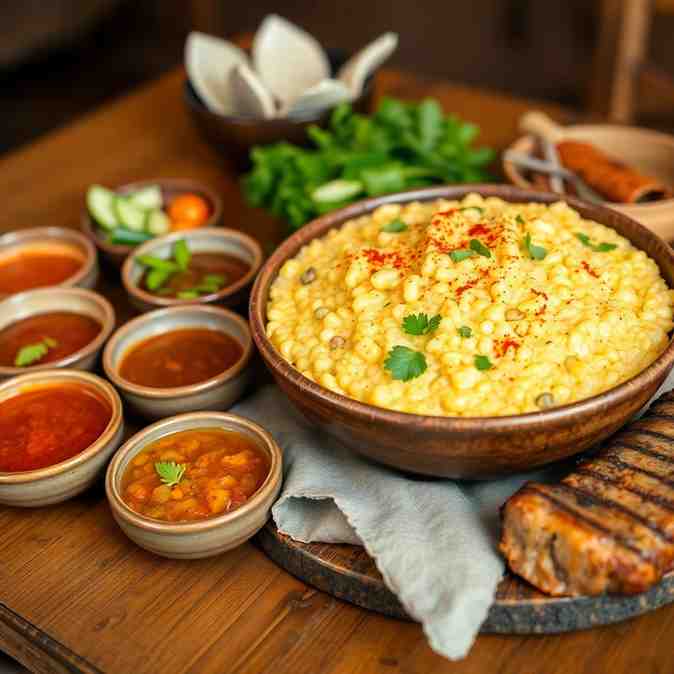
- Serves: 6 People
- Prepare Time: 15 minutes
- Cooking Time: 75 minutes
- Calories: -
- Difficulty: Easy
Ever stumbled upon a dish so comforting, so utterly soul-satisfying, that it instantly transported you to another place? That's exactly how we feel about authentic Botswana Samp. Imagine sitting down to a hearty, home-cooked meal in Botswana, perhaps after a long day, with the aroma of savory stew filling the air. Chances are, a generous serving of perfectly cooked samp would be right there on your plate, ready to soak up all those delicious flavors. This isn't just any side dish; it's a foundational staple in Botswana cuisine, loved for its simple goodness and incredible versatility.
This recipe is your definitive guide to making traditional Botswana samp right in your own kitchen. We’ll walk you through everything, from choosing the right ingredients (with handy US-friendly notes!) to clear, step-by-step instructions for soaking and cooking. Whether you're a seasoned chef or just starting your culinary journey, you'll learn how to cook Botswana samp that's tender, plump, and full of the subtle, satisfying taste that makes it so beloved. Get ready to savor the flavors of Botswana samp and add a truly special dish to your cooking repertoire!
So, what exactly is samp? In plain English, samp is simply cracked or coarsely broken dried white maize (corn kernels) that has been dehulled. When cooked, it becomes plump and tender, with a texture that's somewhat similar to hominy but often a bit chewier and more rustic. Think of it as a hearty, satisfying grain that forms the backbone of many meals.
For those familiar with US ingredients, samp might remind you a little of hominy, grits, or even polenta, but it definitely stands in its own category. Unlike fine grits or creamy polenta, samp has distinct, chewy kernels. It's also different from rice or barley, offering a unique mouthfeel that’s incredibly satisfying.
In Botswana, samp is an everyday staple, a go-to side dish that brings substance and comfort to the table. You'll often find it served alongside rich beef or goat stews, vibrant leafy greens, or the tangy, spicy relish known as chakalaka. It’s the kind of food that feeds both body and soul. A quick note: you might hear of dikgobe, which is a popular dish of samp cooked with beans, often served at celebrations – a delicious variation that highlights samp’s versatility!
Let's break down the differences for clarity:
Samp: Cracked, dried white maize kernels, dehulled. Chewy texture, distinct kernels when cooked.
Hominy: Whole dried maize kernels that have been treated with an alkali (nixtamalization) to remove the hull and germ. This process makes it softer and more flavorful.
Grits: Dried, ground corn (usually white or yellow). Can range from coarse to fine, cooked into a creamy porridge.
Ingredients
Directions
- Rinse, Soak, and Drain the Samp
- Place your dried samp in a colander and rinse it thoroughly under cold running water until the water runs mostly clear. This removes any dust or debris.
- Transfer the rinsed samp to a large bowl and cover it with plenty of cold water, ensuring the water level is well above the samp. Let it soak overnight for 8-12 hours.
- Once soaked, drain the samp in a colander and give it one final, brief rinse under cold water.
- Simmer Until Tender
- Add the drained, soaked samp to your large, heavy-bottomed pot.
- Pour in 8 cups of fresh water and add 1 teaspoon of salt.
- Bring the water to a rolling boil over medium-high heat.
- Once boiling, reduce the heat to low, cover the pot with the lid slightly ajar (to allow some steam to escape), and simmer gently.
- Cook for approximately 60-90 minutes, stirring occasionally to prevent sticking.
- Doneness Cues: The samp is ready when the kernels are plump, tender, and no longer have a hard, chalky center when bitten. If the water level gets too low and the samp starts to dry out before it's tender, add small top-ups of hot water (about ½ cup at a time) and continue simmering.
- Build the Savory Botswana-Style Flavor Base
- While the samp is simmering (or once it's nearly tender), heat 1 tablespoon of neutral oil or butter in a separate medium pan (or you can use the same pot if your samp is almost done and you transfer it out briefly).
- Add the chopped onion and sauté over medium heat until it softens and turns translucent, about 5-7 minutes.
- Add the minced garlic and cook for another minute until fragrant, being careful not to burn it.
- If using, add the finely diced carrot and green bell pepper. Sauté for 3-5 minutes until they start to soften slightly. This step adds a subtle sweetness and aromatic depth, reflecting common regional variations in Botswana cooking.
- Once the samp is tender, stir this savory onion-garlic-vegetable base into the pot with the cooked samp.
- Simmer for another 5-10 minutes, stirring occasionally, allowing all the wonderful flavors to marry together.
- Adjust Seasoning & Serve
- Taste the samp and adjust the salt level as needed. You might find it needs a little more to truly bring out the flavors.
- For extra richness, stir in a small knob of butter right at the end, allowing it to melt into the hot samp.
- Texture Cue: Your finished samp should be creamy and spoonable, but not soupy. The kernels should be distinct yet tender.
- Serve your authentic Botswana samp hot! It’s fantastic as a base for hearty Botswana beef stew, alongside a vibrant chakalaka, or even as a simple, comforting bowl topped with sautéed leafy greens.
Botswana Samp Recipe Savor African Flavors Now

- Serves: 6 People
- Prepare Time: 15 minutes
- Cooking Time: 75 minutes
- Calories: -
- Difficulty: Easy
Ever stumbled upon a dish so comforting, so utterly soul-satisfying, that it instantly transported you to another place? That's exactly how we feel about authentic Botswana Samp. Imagine sitting down to a hearty, home-cooked meal in Botswana, perhaps after a long day, with the aroma of savory stew filling the air. Chances are, a generous serving of perfectly cooked samp would be right there on your plate, ready to soak up all those delicious flavors. This isn't just any side dish; it's a foundational staple in Botswana cuisine, loved for its simple goodness and incredible versatility.
This recipe is your definitive guide to making traditional Botswana samp right in your own kitchen. We’ll walk you through everything, from choosing the right ingredients (with handy US-friendly notes!) to clear, step-by-step instructions for soaking and cooking. Whether you're a seasoned chef or just starting your culinary journey, you'll learn how to cook Botswana samp that's tender, plump, and full of the subtle, satisfying taste that makes it so beloved. Get ready to savor the flavors of Botswana samp and add a truly special dish to your cooking repertoire!
So, what exactly is samp? In plain English, samp is simply cracked or coarsely broken dried white maize (corn kernels) that has been dehulled. When cooked, it becomes plump and tender, with a texture that's somewhat similar to hominy but often a bit chewier and more rustic. Think of it as a hearty, satisfying grain that forms the backbone of many meals.
For those familiar with US ingredients, samp might remind you a little of hominy, grits, or even polenta, but it definitely stands in its own category. Unlike fine grits or creamy polenta, samp has distinct, chewy kernels. It's also different from rice or barley, offering a unique mouthfeel that’s incredibly satisfying.
In Botswana, samp is an everyday staple, a go-to side dish that brings substance and comfort to the table. You'll often find it served alongside rich beef or goat stews, vibrant leafy greens, or the tangy, spicy relish known as chakalaka. It’s the kind of food that feeds both body and soul. A quick note: you might hear of dikgobe, which is a popular dish of samp cooked with beans, often served at celebrations – a delicious variation that highlights samp’s versatility!
Let's break down the differences for clarity:
Samp: Cracked, dried white maize kernels, dehulled. Chewy texture, distinct kernels when cooked.
Hominy: Whole dried maize kernels that have been treated with an alkali (nixtamalization) to remove the hull and germ. This process makes it softer and more flavorful.
Grits: Dried, ground corn (usually white or yellow). Can range from coarse to fine, cooked into a creamy porridge.
Ingredients
Directions
- Rinse, Soak, and Drain the Samp
- Place your dried samp in a colander and rinse it thoroughly under cold running water until the water runs mostly clear. This removes any dust or debris.
- Transfer the rinsed samp to a large bowl and cover it with plenty of cold water, ensuring the water level is well above the samp. Let it soak overnight for 8-12 hours.
- Once soaked, drain the samp in a colander and give it one final, brief rinse under cold water.
- Simmer Until Tender
- Add the drained, soaked samp to your large, heavy-bottomed pot.
- Pour in 8 cups of fresh water and add 1 teaspoon of salt.
- Bring the water to a rolling boil over medium-high heat.
- Once boiling, reduce the heat to low, cover the pot with the lid slightly ajar (to allow some steam to escape), and simmer gently.
- Cook for approximately 60-90 minutes, stirring occasionally to prevent sticking.
- Doneness Cues: The samp is ready when the kernels are plump, tender, and no longer have a hard, chalky center when bitten. If the water level gets too low and the samp starts to dry out before it's tender, add small top-ups of hot water (about ½ cup at a time) and continue simmering.
- Build the Savory Botswana-Style Flavor Base
- While the samp is simmering (or once it's nearly tender), heat 1 tablespoon of neutral oil or butter in a separate medium pan (or you can use the same pot if your samp is almost done and you transfer it out briefly).
- Add the chopped onion and sauté over medium heat until it softens and turns translucent, about 5-7 minutes.
- Add the minced garlic and cook for another minute until fragrant, being careful not to burn it.
- If using, add the finely diced carrot and green bell pepper. Sauté for 3-5 minutes until they start to soften slightly. This step adds a subtle sweetness and aromatic depth, reflecting common regional variations in Botswana cooking.
- Once the samp is tender, stir this savory onion-garlic-vegetable base into the pot with the cooked samp.
- Simmer for another 5-10 minutes, stirring occasionally, allowing all the wonderful flavors to marry together.
- Adjust Seasoning & Serve
- Taste the samp and adjust the salt level as needed. You might find it needs a little more to truly bring out the flavors.
- For extra richness, stir in a small knob of butter right at the end, allowing it to melt into the hot samp.
- Texture Cue: Your finished samp should be creamy and spoonable, but not soupy. The kernels should be distinct yet tender.
- Serve your authentic Botswana samp hot! It’s fantastic as a base for hearty Botswana beef stew, alongside a vibrant chakalaka, or even as a simple, comforting bowl topped with sautéed leafy greens.
The following nutritional values are per serving (one piece of cake) Calories ~200-250 kcal Carbohydrates ~40-50g Protein ~5-7g Fat ~2-4g (varies with oil/butter used) Making authentic Botswana Samp doesn't have to be a marathon! Here are a few smart tools and ingredient choices that can shave off some precious time in the kitchen, letting you savor those delicious flavors even sooner. Problem: Soaking samp overnight can sometimes be forgotten, or you might decide last-minute to make this comforting dish. Problem: Constantly stirring a large pot of samp to prevent sticking can be tedious and ties you to the stove. Problem: Chopping onions and garlic can be time-consuming, especially when you're in a hurry. Click any ingredient for detailed nutritional information:Recipe Nutritional Values
Additional Information
Recipe Success Tips
Ingredient Substitutions & Variations
Cultural Variations
Make-Ahead & Storage Instructions
Frequently Asked Questions
Recommended Kitchen Tools
Kitchen Tool
Agitate: Without proper soaking, samp takes significantly longer to cook and might not achieve that perfect tender texture.
Solution: While overnight soaking is ideal, a quick-soak method on the stovetop (boiling for 10-15 minutes, then letting it sit covered for an hour off the heat) can significantly reduce total prep time. Also, keeping a bag of samp in your pantry means you're always ready to start the soaking process.heavy-bottomed pot or Dutch oven
Agitate: A thin-bottomed pot can lead to burnt samp and uneven cooking, ruining your meal and making cleanup a nightmare.
Solution: Invest in a heavy-bottomed pot or Dutch oven. Its even heat distribution prevents hot spots, reduces sticking, and allows for more hands-off simmering, freeing you up to prep other parts of your meal.pre-chopped frozen onion and garlic
Agitate: Skipping these aromatics means missing out on the foundational savory flavors that make Botswana samp so delicious.
Solution: Keep pre-chopped frozen onion and garlic on hand. These are fantastic for quickly building your flavor base without the tears or extra knife work, making your cooking process smoother and faster.Calories per Ingredient
You may also like


Hey there! I’m just someone who seriously loves good food and believes that cooking doesn’t have to be complicated to be amazing. Whether it’s a quick weeknight dinner or a cozy weekend meal, I’m all about sharing easy, tasty recipes that actually work.