Classic Linzer Torte Recipe Bake Austria's Best Jam Tart
Classic Linzer Torte Recipe Bake Austria's Best Jam Tart
- Serves: 10 People
- Prepare Time: 45 minutes
- Cooking Time: 45 minutes
- Calories: -
- Difficulty: Medium
Hey there, fellow bakers and sweet tooths! Are you ready to dive into a baking adventure that brings a piece of Austrian charm right into your kitchen? Today, we're making the glorious Linzer Torte, a true classic that’s much more than just a pastry – it’s a story, a tradition, and an absolute delight.
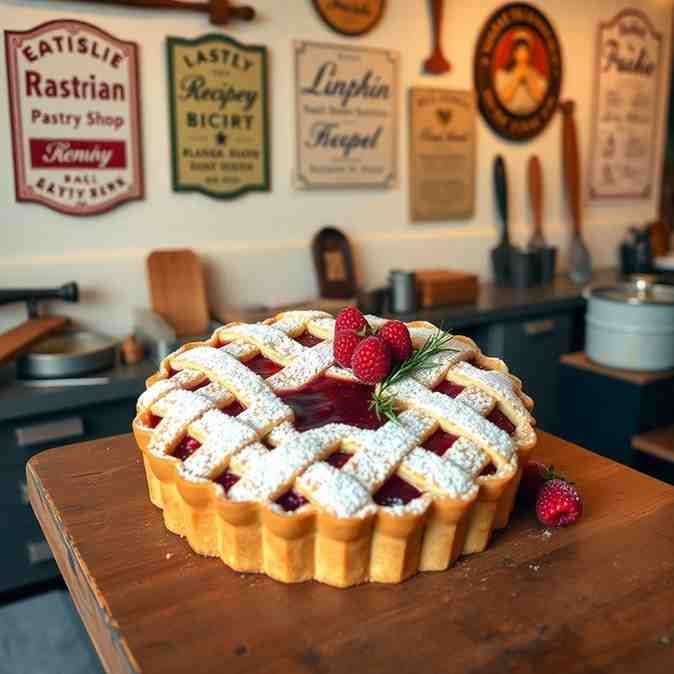
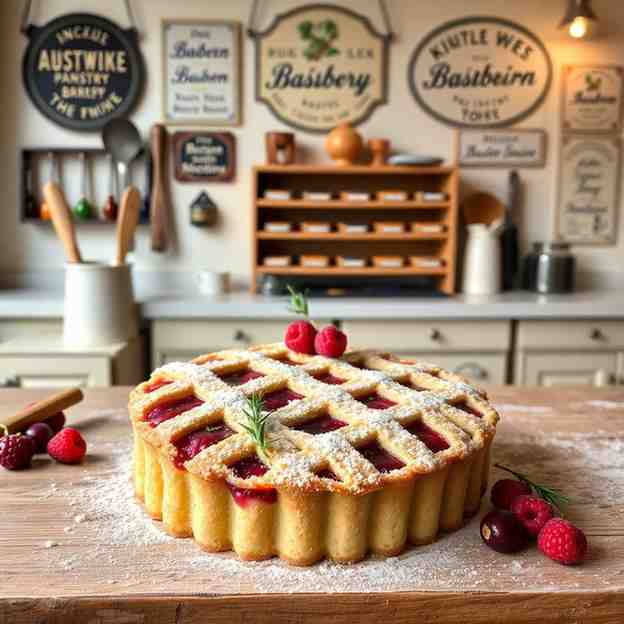
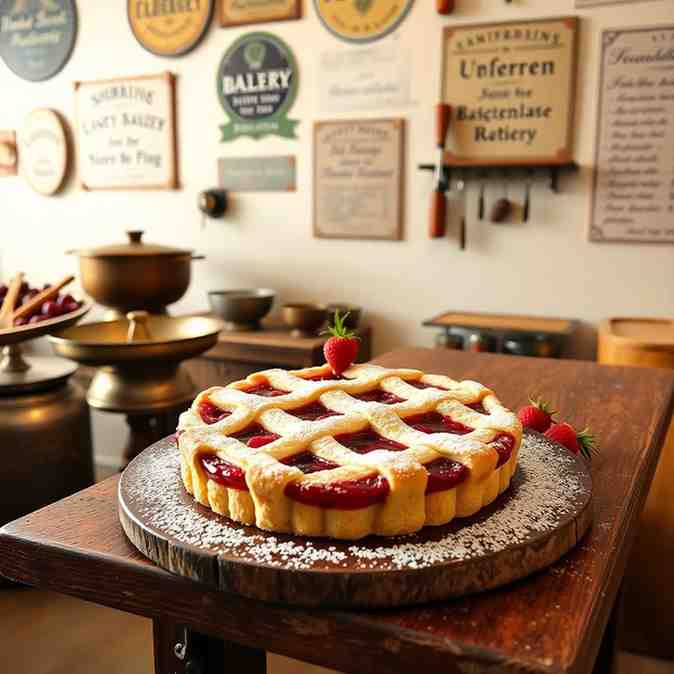
Imagine a rich, nutty shortcrust pastry, spiced with a hint of cinnamon and lemon zest, cradling a vibrant layer of tart raspberry jam, all topped with an elegant lattice design. That, my friends, is the magic of Linzer Torte. It’s a sophisticated yet comforting pastry cake that hails from Linz, Austria, and has charmed its way onto holiday tables and coffee breaks across the globe. Often enjoyed during Christmas, this traditional Austrian Christmas dessert is surprisingly simple to make, even for beginners, and offers a truly rewarding baking experience. Forget those dry, overly sweet store-bought versions – we’re going to bake the real deal, a butter shortcrust pastry sweet treat that’s perfectly balanced and utterly delicious. Let’s get baking!
So, what exactly is a Linzer Torte? In a nutshell, it's a classic Austrian jam tart. Picture a rich, buttery, nutty shortcrust pastry (often made with ground almonds or hazelnuts) that forms both the base and a decorative lattice or cut-out top, filled with a delicious, often tart, fruit jam. It’s known for being wonderfully rich in flavor but surprisingly not overly sweet, making it the perfect companion for a cup of coffee or tea. While Linzer cookies are a popular "spin-off," the torte is a much grander, more substantial dessert, offering a deeper, more complex flavor and a satisfying texture. It’s a true centerpiece!
The story of the Linzer Torte is as rich as its flavor! This beloved pastry dessert from Austria comes from the city of Linz, and it holds the impressive title of being one of the oldest known cakes in the world. The earliest written recipe dates back to 1653, found in a cookbook by Countess Anna Margarita Sagramosa, making it truly ancient in the baking world!
From its humble beginnings in Linz, this exquisite recipe slowly spread throughout Austria, Germany, and eventually, across Europe and beyond. Its unique combination of spiced nut pastry and fruit jam made it a favorite, especially during the colder months. It quickly became a staple on traditional Austrian Christmas desserts and holiday tables in Central Europe, symbolizing warmth and festive cheer. The smaller, more portable Linzer cookies you might know are essentially a delightful "cookie spin-off" of this grand torte, allowing bakers to enjoy the same beloved flavors in a bite-sized format.
Ingredients
Directions
- Before You Start – Key Tips for Success:
- Chill Time is Your Friend: Don't skip chilling the dough! It’s crucial for developing flavor, making the dough easier to handle, and preventing it from shrinking too much in the oven. Aim for at least 2 hours.
- Dough Thickness: For the base, roll the dough to about ⅛-inch thick. For the lattice strips, aim for a similar thickness – too thin, and they'll be hard to handle; too thick, and they'll overwhelm the jam.
- Jam Consistency: If your jam seems too runny, stir in a teaspoon of cornstarch before spreading it. If it’s too thick, a splash of lemon juice or a tiny bit of water will loosen it up.
- Room Temperature vs. Cold Dough: While the dough needs to be chilled, let it sit out for 5-10 minutes before rolling, especially if it's rock hard. This makes it more pliable and less prone to cracking.
- Hot Kitchens: If your kitchen is warm, work quickly with the dough. If it gets too soft, pop it back in the fridge for 10-15 minutes to firm up.
- Make the Dough
- In a large bowl, whisk together the all-purpose flour, ground almonds, granulated sugar, cinnamon, cloves (if using), and lemon zest.
- Add the cold, cubed unsalted butter to the dry ingredients. Using a pastry blender, your fingertips, or a stand mixer with the paddle attachment, cut the butter into the flour mixture until it resembles coarse crumbs with some pea-sized pieces of butter remaining.
- In a separate small bowl, lightly whisk the egg yolks and vanilla extract. Add this liquid mixture to the flour and butter crumbs.
- Mix until the dough just comes together. Be careful not to overmix! It should hold together when pressed but not be sticky. If it seems too dry, add a tiny bit of cold water (½ teaspoon at a time) until it comes together.
- Chill and Prep the Pan
- Divide the dough into two portions: roughly ⅔ for the base and ⅓ for the lattice. Shape each portion into a flat disk, wrap tightly in plastic wrap, and refrigerate for at least 2 hours, or up to 2 days. This chilling time is essential!
- Once chilled, remove the larger dough disk from the fridge and let it sit at room temperature for about 10 minutes to soften slightly.
- Preheat your oven to 350°F (175°C).
- Lightly butter and flour your 9-inch tart or springform pan.
- Form the Base
- On a lightly floured surface, roll out the larger dough disk into a 12-inch circle, about ⅛-inch thick.
- Carefully transfer the dough to your prepared tart pan. Gently press it into the bottom and up the sides. Trim any excess dough from the edges using a sharp knife or by rolling your rolling pin over the top of the pan.
- Prick the bottom of the dough several times with a fork (this is called "docking") to prevent it from puffing up during baking.
- Add the Jam
- In a small bowl, stir the raspberry jam to loosen it up. If it's very thick, you can add a tiny splash of lemon juice to enhance the tartness and make it more spreadable.
- Spread the jam evenly over the dough base, leaving about a ½-inch border around the edge.
- Make the Lattice or Cut-Outs
- Roll out the remaining smaller dough disk on a lightly floured surface to about ⅛-inch thick.
- Take any leftover dough scraps, roll them into a thin rope, and place it around the outer edge of the torte where the lattice meets the base, gently pressing to seal.
- In a small bowl, whisk one egg yolk with a teaspoon of water to make an egg wash. Lightly brush the dough lattice and border with the egg wash. This gives it a beautiful golden sheen.
- Bake
- Place the torte on a baking sheet (to catch any potential jam drips).
- Bake for 40-50 minutes, or until the pastry is golden brown and the jam is bubbling gently. If you notice the edges browning too quickly, you can loosely tent the torte with aluminum foil. Rotate the pan halfway through baking for even browning.
- Cool, Rest, and Serve
- Once baked, carefully remove the torte from the oven. Let it cool in the pan on a wire rack for at least 30 minutes before attempting to remove the outer ring of the tart pan.
- For the best flavor and texture, allow the Linzer Torte to cool completely, preferably for several hours or even overnight at room temperature. This resting period allows the flavors to meld and the jam to set perfectly.
- To slice cleanly, use a sharp, thin knife. Serve slices plain, with a dollop of freshly whipped cream, or alongside your favorite coffee or tea. Enjoy!
Classic Linzer Torte Recipe Bake Austria's Best Jam Tart
- Serves: 10 People
- Prepare Time: 45 minutes
- Cooking Time: 45 minutes
- Calories: -
- Difficulty: Medium
Hey there, fellow bakers and sweet tooths! Are you ready to dive into a baking adventure that brings a piece of Austrian charm right into your kitchen? Today, we're making the glorious Linzer Torte, a true classic that’s much more than just a pastry – it’s a story, a tradition, and an absolute delight.
Imagine a rich, nutty shortcrust pastry, spiced with a hint of cinnamon and lemon zest, cradling a vibrant layer of tart raspberry jam, all topped with an elegant lattice design. That, my friends, is the magic of Linzer Torte. It’s a sophisticated yet comforting pastry cake that hails from Linz, Austria, and has charmed its way onto holiday tables and coffee breaks across the globe. Often enjoyed during Christmas, this traditional Austrian Christmas dessert is surprisingly simple to make, even for beginners, and offers a truly rewarding baking experience. Forget those dry, overly sweet store-bought versions – we’re going to bake the real deal, a butter shortcrust pastry sweet treat that’s perfectly balanced and utterly delicious. Let’s get baking!
So, what exactly is a Linzer Torte? In a nutshell, it's a classic Austrian jam tart. Picture a rich, buttery, nutty shortcrust pastry (often made with ground almonds or hazelnuts) that forms both the base and a decorative lattice or cut-out top, filled with a delicious, often tart, fruit jam. It’s known for being wonderfully rich in flavor but surprisingly not overly sweet, making it the perfect companion for a cup of coffee or tea. While Linzer cookies are a popular "spin-off," the torte is a much grander, more substantial dessert, offering a deeper, more complex flavor and a satisfying texture. It’s a true centerpiece!
The story of the Linzer Torte is as rich as its flavor! This beloved pastry dessert from Austria comes from the city of Linz, and it holds the impressive title of being one of the oldest known cakes in the world. The earliest written recipe dates back to 1653, found in a cookbook by Countess Anna Margarita Sagramosa, making it truly ancient in the baking world!
From its humble beginnings in Linz, this exquisite recipe slowly spread throughout Austria, Germany, and eventually, across Europe and beyond. Its unique combination of spiced nut pastry and fruit jam made it a favorite, especially during the colder months. It quickly became a staple on traditional Austrian Christmas desserts and holiday tables in Central Europe, symbolizing warmth and festive cheer. The smaller, more portable Linzer cookies you might know are essentially a delightful "cookie spin-off" of this grand torte, allowing bakers to enjoy the same beloved flavors in a bite-sized format.
Ingredients
Directions
- Before You Start – Key Tips for Success:
- Chill Time is Your Friend: Don't skip chilling the dough! It’s crucial for developing flavor, making the dough easier to handle, and preventing it from shrinking too much in the oven. Aim for at least 2 hours.
- Dough Thickness: For the base, roll the dough to about ⅛-inch thick. For the lattice strips, aim for a similar thickness – too thin, and they'll be hard to handle; too thick, and they'll overwhelm the jam.
- Jam Consistency: If your jam seems too runny, stir in a teaspoon of cornstarch before spreading it. If it’s too thick, a splash of lemon juice or a tiny bit of water will loosen it up.
- Room Temperature vs. Cold Dough: While the dough needs to be chilled, let it sit out for 5-10 minutes before rolling, especially if it's rock hard. This makes it more pliable and less prone to cracking.
- Hot Kitchens: If your kitchen is warm, work quickly with the dough. If it gets too soft, pop it back in the fridge for 10-15 minutes to firm up.
- Make the Dough
- In a large bowl, whisk together the all-purpose flour, ground almonds, granulated sugar, cinnamon, cloves (if using), and lemon zest.
- Add the cold, cubed unsalted butter to the dry ingredients. Using a pastry blender, your fingertips, or a stand mixer with the paddle attachment, cut the butter into the flour mixture until it resembles coarse crumbs with some pea-sized pieces of butter remaining.
- In a separate small bowl, lightly whisk the egg yolks and vanilla extract. Add this liquid mixture to the flour and butter crumbs.
- Mix until the dough just comes together. Be careful not to overmix! It should hold together when pressed but not be sticky. If it seems too dry, add a tiny bit of cold water (½ teaspoon at a time) until it comes together.
- Chill and Prep the Pan
- Divide the dough into two portions: roughly ⅔ for the base and ⅓ for the lattice. Shape each portion into a flat disk, wrap tightly in plastic wrap, and refrigerate for at least 2 hours, or up to 2 days. This chilling time is essential!
- Once chilled, remove the larger dough disk from the fridge and let it sit at room temperature for about 10 minutes to soften slightly.
- Preheat your oven to 350°F (175°C).
- Lightly butter and flour your 9-inch tart or springform pan.
- Form the Base
- On a lightly floured surface, roll out the larger dough disk into a 12-inch circle, about ⅛-inch thick.
- Carefully transfer the dough to your prepared tart pan. Gently press it into the bottom and up the sides. Trim any excess dough from the edges using a sharp knife or by rolling your rolling pin over the top of the pan.
- Prick the bottom of the dough several times with a fork (this is called "docking") to prevent it from puffing up during baking.
- Add the Jam
- In a small bowl, stir the raspberry jam to loosen it up. If it's very thick, you can add a tiny splash of lemon juice to enhance the tartness and make it more spreadable.
- Spread the jam evenly over the dough base, leaving about a ½-inch border around the edge.
- Make the Lattice or Cut-Outs
- Roll out the remaining smaller dough disk on a lightly floured surface to about ⅛-inch thick.
- Take any leftover dough scraps, roll them into a thin rope, and place it around the outer edge of the torte where the lattice meets the base, gently pressing to seal.
- In a small bowl, whisk one egg yolk with a teaspoon of water to make an egg wash. Lightly brush the dough lattice and border with the egg wash. This gives it a beautiful golden sheen.
- Bake
- Place the torte on a baking sheet (to catch any potential jam drips).
- Bake for 40-50 minutes, or until the pastry is golden brown and the jam is bubbling gently. If you notice the edges browning too quickly, you can loosely tent the torte with aluminum foil. Rotate the pan halfway through baking for even browning.
- Cool, Rest, and Serve
- Once baked, carefully remove the torte from the oven. Let it cool in the pan on a wire rack for at least 30 minutes before attempting to remove the outer ring of the tart pan.
- For the best flavor and texture, allow the Linzer Torte to cool completely, preferably for several hours or even overnight at room temperature. This resting period allows the flavors to meld and the jam to set perfectly.
- To slice cleanly, use a sharp, thin knife. Serve slices plain, with a dollop of freshly whipped cream, or alongside your favorite coffee or tea. Enjoy!
The following nutritional values are per serving (one piece of cake) Calories 350-400 kcal Carbohydrates 40-45g Protein 5-7g Fat 20-25g Making a Linzer Torte can feel like a special occasion, but that doesn't mean it has to take all day! Here are some tools and ingredient considerations that can help you speed things up or make the process smoother, using our simple Problem-Agitate-Solution approach. Problem: You're worried about inconsistent dough thickness, leading to uneven baking or a fragile lattice. Problem: Measuring ingredients by volume (cups) can be inaccurate, especially for baking, leading to dry or sticky dough. Problem: You want to make a beautiful lattice top, but cutting even strips freehand is difficult and time-consuming. Click any ingredient for detailed nutritional information:Recipe Nutritional Values
Additional Information
Recipe Success Tips
Pro Tips, Variations & Storage
Ingredient Substitutions & Variations
Cultural Variations
Make-Ahead & Storage Instructions
Frequently Asked Questions
Recommended Kitchen Tools
Time-Saving Tools & Ingredients
Agitate: Rolling dough to the perfect, consistent thickness can be tricky, and if it's too thin in spots, it might tear; too thick, and it won't bake through properly or will be too dense.
Solution: A rolling pin with adjustable guides (or even just two wooden dowels of the same thickness) can be a game-changer. These guides ensure your dough is rolled to a uniform thickness every time, making it easier to handle and ensuring a consistent bake.Time-Saving Tools & Ingredients
Agitate: Flour, nuts, and sugar can pack differently into measuring cups, causing significant variations in your recipe. This can throw off the delicate balance of your Linzer Torte dough, making it too crumbly or too soft.
Solution: A digital kitchen scale is your best friend for precision baking. Measuring by weight (grams) is far more accurate than by volume, guaranteeing consistent results every time and taking the guesswork out of your ingredient prep.Time-Saving Tools & Ingredients
Agitate: Uneven strips can make your lattice look wonky, and cutting them can be tedious, especially if the dough is getting warm. This can add stress to your baking process.
Solution: A fluted pastry wheel or even a simple pizza cutter can make quick work of cutting uniform dough strips for your lattice. If you're going for cut-out shapes, a set of small cookie cutters (stars, hearts) can make the process fun and fast.Calories per Ingredient
You may also like


Hey there! I’m just someone who seriously loves good food and believes that cooking doesn’t have to be complicated to be amazing. Whether it’s a quick weeknight dinner or a cozy weekend meal, I’m all about sharing easy, tasty recipes that actually work.