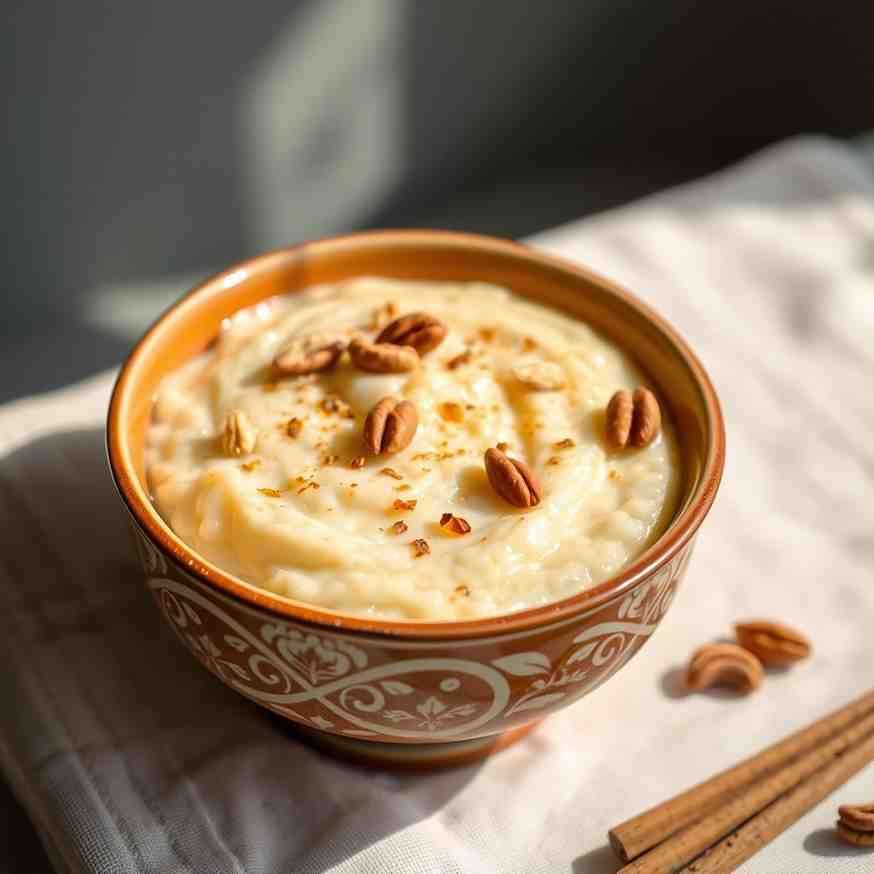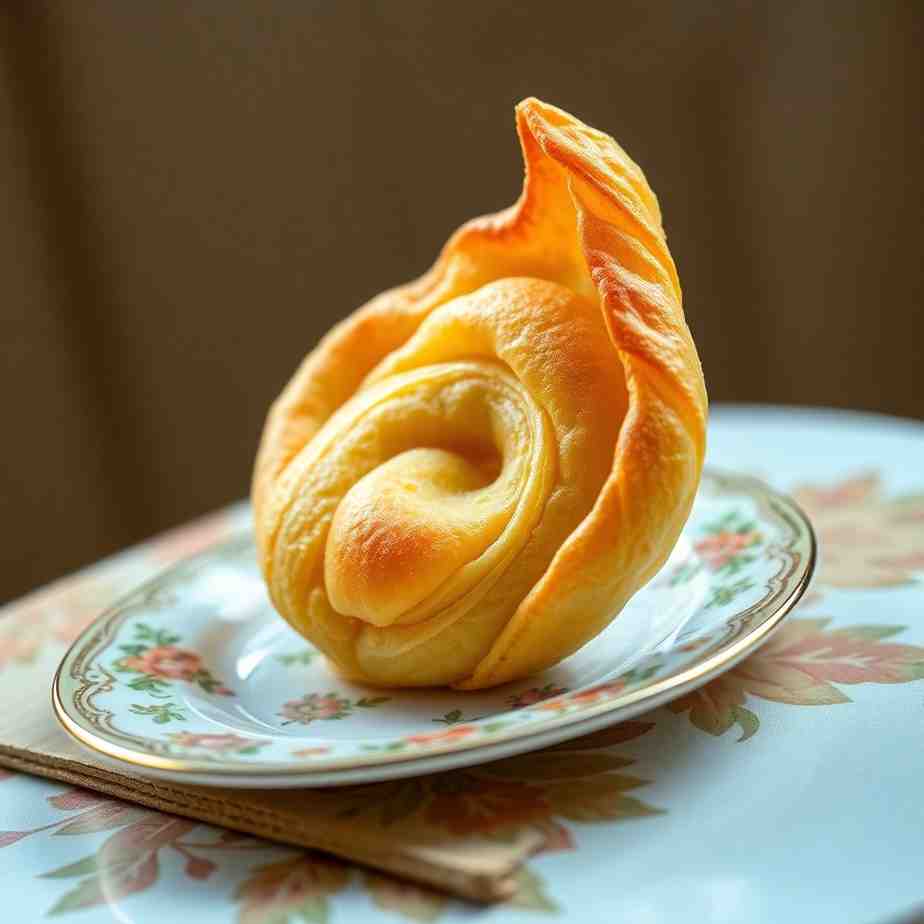
Nigerian Masa Your Easy African Cuisine Recipe
Nigerian Masa Your Easy African Cuisine Recipe
- Serves: 4 People
- Prepare Time: 15 minutes
- Cooking Time: 20 minutes
- Calories: -
- Difficulty: Easy
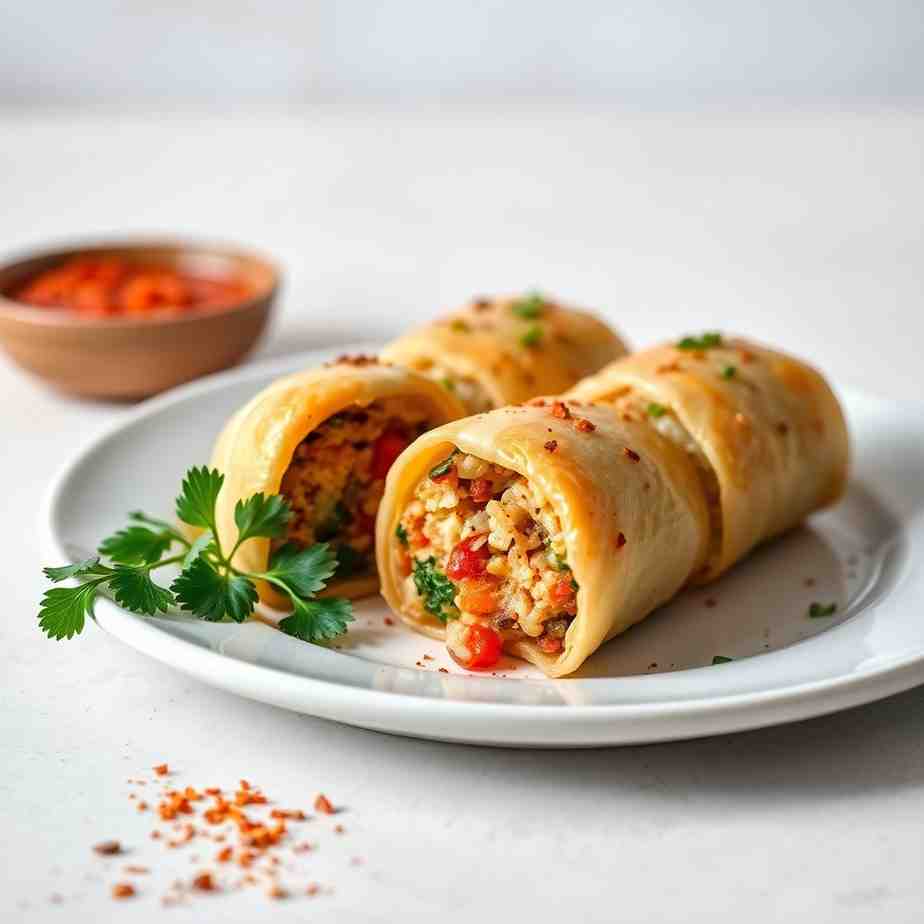
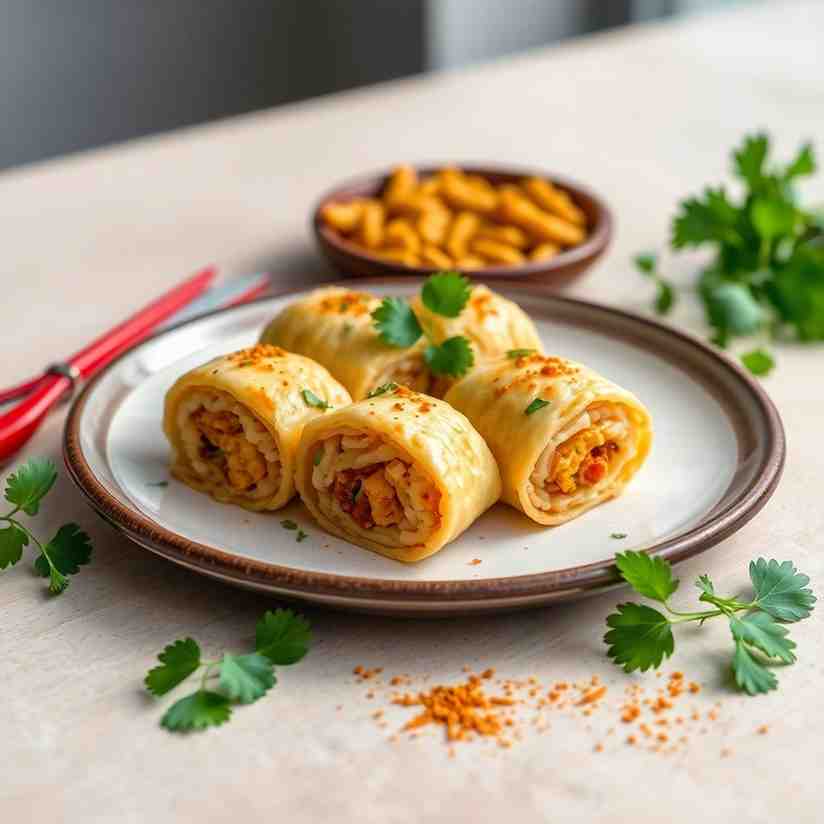
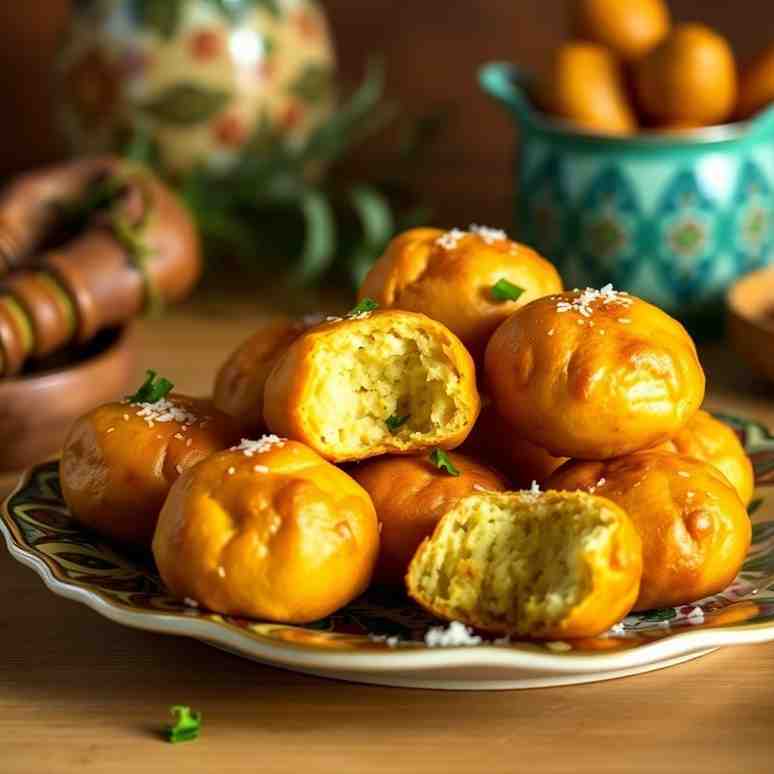
Welcome to the delicious world of Nigerian Masa! If you're looking for an authentic African cuisine recipe that's both unique and incredibly satisfying, you've come to the right place. Masa, also known as fermented rice cake balls, is a beloved traditional Nigerian breakfast or snack. Think of it as a fluffy, slightly tangy pancake or fritter, but with a distinctive texture and flavor that sets it apart. The best part? It’s surprisingly easy to make at home with just a few everyday ingredients, making it a fantastic very easy recipe for any skill level.
What makes Masa so special is its unique fermentation process, which develops a subtle sourness and light, airy texture that's truly irresistible. This recipe is naturally gluten free thanks to the rice flour, and can easily be made gluten free vegan food recipes friendly with a simple oil swap. Whether you're craving a traditional pancake recipe or looking to explore new african dishes recipes, learning how to make pancake mixture for Masa is an adventure worth taking. Get ready to impress your taste buds with this delightful treat!
Ingredients
Directions
- Prepare the Rice Flour Mixture:
- In a large mixing bowl, combine the rice flour, active dry yeast, optional sugar, and salt. Whisk these dry ingredients together thoroughly.
- Gradually add 2 cups of the warm water to the dry mixture, stirring continuously with a whisk or wooden spoon until a smooth, thick batter forms. The consistency should be similar to a thick pancake batter. If it's too thick, add the remaining ½ cup of water, a little at a time, until you reach the desired consistency. Ensure there are no lumps.
- Fermentation Process:
- Cover the bowl loosely with plastic wrap or a clean kitchen towel.
- Place the bowl in a warm spot in your kitchen (around 75-85°F / 24-30°C) and let it ferment for 4 to 6 hours.
- How to know when it’s ready: The batter will noticeably increase in volume, become bubbly, and develop a slightly tangy aroma. If you live in a colder climate, you can preheat your oven to its lowest setting for a few minutes, then turn it off and place the covered bowl inside (with the oven light on) to create a warm environment for fermentation.
- Cooking the Masa:
- Once the batter is fermented and ready, heat about 1-2 inches of vegetable oil in a deep frying pan, cast-iron skillet, or a specialized Masa pan over medium heat. The oil should be hot enough to sizzle a drop of batter immediately but not smoking (around 350-375°F / 175-190°C).
- Carefully scoop spoonfuls of the batter into the hot oil, shaping them into small, round balls or discs. Don't overcrowd the pan; cook in batches.
- Fry the Masa for 3-5 minutes on each side, or until they are golden brown and cooked through. Use a slotted spoon or tongs to turn them occasionally for even browning.
- Once cooked, remove the Masa from the oil and place them on a plate lined with paper towels to drain any excess oil.
- Serve your delicious Nigerian Masa warm! They are fantastic on their own, or traditionally enjoyed with a drizzle of honey, a dollop of yogurt, or even as a savory snack with a side of vegetable stew or pepper sauce.
Nigerian Masa Your Easy African Cuisine Recipe
- Serves: 4 People
- Prepare Time: 15 minutes
- Cooking Time: 20 minutes
- Calories: -
- Difficulty: Easy
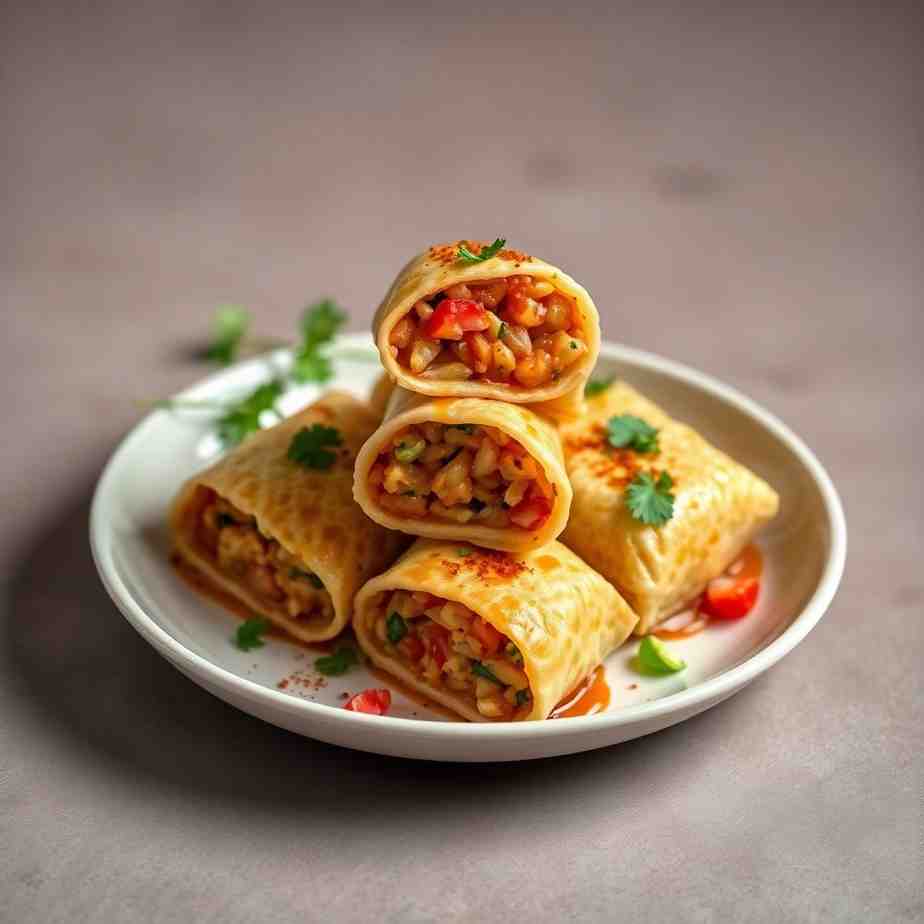
Welcome to the delicious world of Nigerian Masa! If you're looking for an authentic African cuisine recipe that's both unique and incredibly satisfying, you've come to the right place. Masa, also known as fermented rice cake balls, is a beloved traditional Nigerian breakfast or snack. Think of it as a fluffy, slightly tangy pancake or fritter, but with a distinctive texture and flavor that sets it apart. The best part? It’s surprisingly easy to make at home with just a few everyday ingredients, making it a fantastic very easy recipe for any skill level.
What makes Masa so special is its unique fermentation process, which develops a subtle sourness and light, airy texture that's truly irresistible. This recipe is naturally gluten free thanks to the rice flour, and can easily be made gluten free vegan food recipes friendly with a simple oil swap. Whether you're craving a traditional pancake recipe or looking to explore new african dishes recipes, learning how to make pancake mixture for Masa is an adventure worth taking. Get ready to impress your taste buds with this delightful treat!
Ingredients
Directions
- Prepare the Rice Flour Mixture:
- In a large mixing bowl, combine the rice flour, active dry yeast, optional sugar, and salt. Whisk these dry ingredients together thoroughly.
- Gradually add 2 cups of the warm water to the dry mixture, stirring continuously with a whisk or wooden spoon until a smooth, thick batter forms. The consistency should be similar to a thick pancake batter. If it's too thick, add the remaining ½ cup of water, a little at a time, until you reach the desired consistency. Ensure there are no lumps.
- Fermentation Process:
- Cover the bowl loosely with plastic wrap or a clean kitchen towel.
- Place the bowl in a warm spot in your kitchen (around 75-85°F / 24-30°C) and let it ferment for 4 to 6 hours.
- How to know when it’s ready: The batter will noticeably increase in volume, become bubbly, and develop a slightly tangy aroma. If you live in a colder climate, you can preheat your oven to its lowest setting for a few minutes, then turn it off and place the covered bowl inside (with the oven light on) to create a warm environment for fermentation.
- Cooking the Masa:
- Once the batter is fermented and ready, heat about 1-2 inches of vegetable oil in a deep frying pan, cast-iron skillet, or a specialized Masa pan over medium heat. The oil should be hot enough to sizzle a drop of batter immediately but not smoking (around 350-375°F / 175-190°C).
- Carefully scoop spoonfuls of the batter into the hot oil, shaping them into small, round balls or discs. Don't overcrowd the pan; cook in batches.
- Fry the Masa for 3-5 minutes on each side, or until they are golden brown and cooked through. Use a slotted spoon or tongs to turn them occasionally for even browning.
- Once cooked, remove the Masa from the oil and place them on a plate lined with paper towels to drain any excess oil.
- Serve your delicious Nigerian Masa warm! They are fantastic on their own, or traditionally enjoyed with a drizzle of honey, a dollop of yogurt, or even as a savory snack with a side of vegetable stew or pepper sauce.
The following nutritional values are per serving (one piece of cake) Calories 250-300 kcal Carbohydrates 45-55g Protein 4-6g Fat 5-10g (this can vary significantly based on oil absorption during frying) Making delicious Nigerian Masa can be a breeze, especially with a few smart tools and ingredient choices. Here are our top picks to help you whip up these tasty treats in no time! Food Processor or High-Speed BlenderProblem: Mixing a thick, smooth batter by hand can be quite the arm workout and often leaves stubborn lumps. Problem: Mixing a thick, smooth batter by hand can be quite the arm workout and often leaves stubborn lumps. Problem: If you're starting with whole rice grains, grinding them yourself can be a time-consuming task that requires specific, often expensive, equipment. Click any ingredient for detailed nutritional information:Recipe Nutritional Values
Additional Information
Recipe Success Tips
Ingredient Substitutions & Variations
Make-Ahead & Storage Instructions
Frequently Asked Questions
Recommended Kitchen Tools
Pre-ground Rice Flour
Agitate: Lumps in your batter mean uneven fermentation and a less smooth, inconsistent texture in your final Masa, which is a real shame when you're aiming for perfection.
Solution: A trusty food processor or a powerful high-speed blender is your secret weapon! It effortlessly creates a perfectly smooth, lump-free batter in mere minutes, ensuring your Masa turns out beautifully even every single time. Pre-ground Rice FlourKitchen Tool
Agitate: Without a robust grinder, you might end up with an inconsistent flour texture, which can directly impact how your batter ferments and the overall consistency of your Masa.
Solution: Opting for a high-quality, pre-ground rice flour saves you a significant amount of prep time and guarantees a consistent, fine base for your batter. It's a simple swap that makes a big difference!Calories per Ingredient
You may also like

Hey there! I’m just someone who seriously loves good food and believes that cooking doesn’t have to be complicated to be amazing. Whether it’s a quick weeknight dinner or a cozy weekend meal, I’m all about sharing easy, tasty recipes that actually work.