Topfenstrudel Recipe Bake Bakery-Style Quark Strudel
Topfenstrudel Recipe Bake Bakery-Style Quark Strudel

- Serves: 8 People
- Prepare Time: 60 minutes
- Cooking Time: 40 minutes
- Calories: -
- Difficulty: Medium
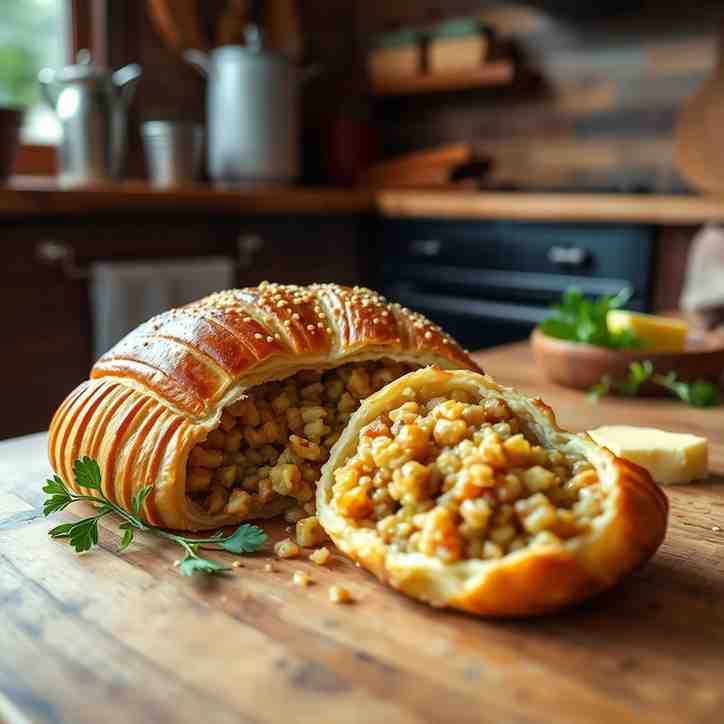
Welcome, fellow bakers, to the delightful world of Topfenstrudel! If you've ever dreamed of recreating that authentic, bakery-style Austrian dessert in your own kitchen, you've come to the right place. This isn't just any baked pastry; it's a culinary journey to Vienna, promising flaky, paper-thin pastry wrapped around a luscious, creamy quark cheese filling.
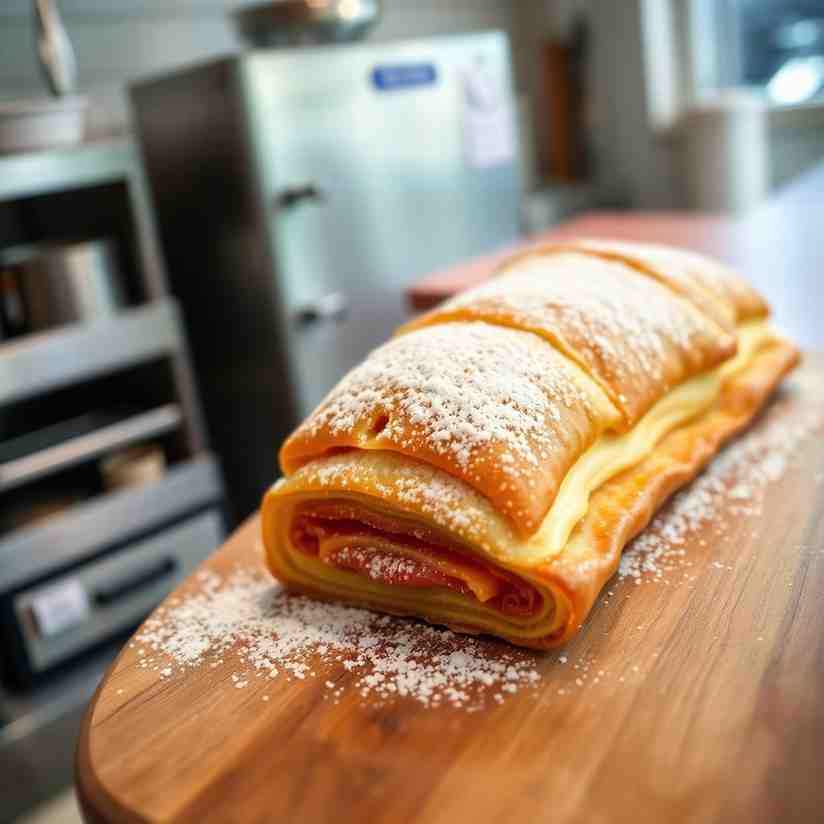
So, what exactly is Topfenstrudel? Think of it as Austria's answer to a lighter, more elegant cheese danish, but rolled into a beautiful log. It features a delicate, crust pastry that's stretched until it's almost transparent, enveloping a lightly sweet, lemon-vanilla fresh cheese filling. Traditionally, it's served warm, often dusted with a generous cloud of powdered sugar and accompanied by a silky vanilla sauce – a truly unforgettable sweet treat.
This recipe guides you to make a simple, stretched dough from scratch, whip up a dreamy quark filling, roll it all into a perfect log, and bake until it's golden, crisp, and utterly irresistible. Get ready to bake the dessert best!
Ingredients
Directions
- Step 1 – Make the Strudel Dough
- In a large mixing bowl, combine the flour and salt.
- Add the neutral oil and ½ cup warm water. Mix with a spoon or your hands until a sticky dough forms.
- Transfer the dough to a lightly floured surface and knead for 8-10 minutes. The dough should become smooth, elastic, and no longer sticky. It should feel pliable and soft, like an earlobe.
- Form the dough into a ball, brush it lightly with a tiny bit of oil, and place it back in the bowl. Cover tightly with plastic wrap or an inverted bowl and let it rest at room temperature for at least 30-60 minutes. This resting period is crucial for relaxing the gluten, making the dough easy to stretch.
- Make the Cheese Filling
- While the dough rests, prepare the filling. In a medium bowl, combine the quark (or your chosen substitute), eggs, granulated sugar, semolina, lemon zest, vanilla extract, and a pinch of salt.
- Whisk everything together until well combined and creamy. The filling should be thick enough to hold its shape on a spoon, similar to a thick yogurt. If it seems too loose, let it sit for 10-15 minutes, as the semolina will absorb moisture and thicken it. If still too thin, add another spoonful of semolina. If using raisins, stir them in now.
- Stretch the Dough Paper-Thin
- Clear a large workspace (like a kitchen table) and lay a clean cotton or linen kitchen towel over it. Lightly flour the towel.
- Place the rested dough ball in the center of the floured towel. Using a rolling pin, roll the dough out into a rectangle as thin as you can get it, about 1/8 inch (3mm) thick.
- Now, the fun part: stretching! Gently slide your hands, palms down, under the dough. Using the backs of your hands, slowly and carefully stretch the dough outwards from the center, working your way around the edges. The goal is to stretch it until it's paper-thin – you should be able to see the pattern of the towel through the dough. Don't worry if small tears appear; you can gently pinch them together to patch them up. Trim any thick edges with a knife.
- Fill and Roll
- Brush the entire stretched dough generously with about half of the melted butter.
- Carefully spread the cheese filling over approximately the last third of the dough, leaving a clean border of about 1-2 inches (2.5-5 cm) around the edges.
- Fold the short side edges of the dough over the filling to enclose it.
- Starting from the filling-covered end, gently lift the towel to help you roll the strudel tightly into a log. Continue rolling until you have a neat, cylindrical log with the seam on the bottom.
- Transfer to Pan and Bake
- Preheat your oven to 375°F (190°C). Line a large rimmed baking sheet with parchment paper.
- Carefully transfer the strudel log onto the prepared baking sheet, seam-side down. You can gently lift it using the parchment paper.
- Optional "fencing" tip: To help the strudel hold its shape and prevent it from flattening out too much, you can place a loaf tin or a second small baking pan alongside one long edge of the strudel.
- Brush the entire surface of the strudel with the remaining melted butter.
- Bake for 35-45 minutes, or until the strudel is deep golden brown, crisp, and sounds hollow when lightly tapped.
- Cool, Slice, and Serve
- Once baked, remove the strudel from the oven and let it rest on the baking sheet for at least 20-30 minutes. This resting time allows the filling to set properly.
- Trim the ends (they might be a bit drier), then slice the strudel into individual portions using a serrated knife.
- Dust generously with powdered sugar.
- Serve warm, perhaps with warm vanilla sauce, a scoop of vanilla ice cream, or fresh berries for a truly authentic Austrian experience. Enjoy your homemade food desserts!
Topfenstrudel Recipe Bake Bakery-Style Quark Strudel

- Serves: 8 People
- Prepare Time: 60 minutes
- Cooking Time: 40 minutes
- Calories: -
- Difficulty: Medium
Welcome, fellow bakers, to the delightful world of Topfenstrudel! If you've ever dreamed of recreating that authentic, bakery-style Austrian dessert in your own kitchen, you've come to the right place. This isn't just any baked pastry; it's a culinary journey to Vienna, promising flaky, paper-thin pastry wrapped around a luscious, creamy quark cheese filling.
So, what exactly is Topfenstrudel? Think of it as Austria's answer to a lighter, more elegant cheese danish, but rolled into a beautiful log. It features a delicate, crust pastry that's stretched until it's almost transparent, enveloping a lightly sweet, lemon-vanilla fresh cheese filling. Traditionally, it's served warm, often dusted with a generous cloud of powdered sugar and accompanied by a silky vanilla sauce – a truly unforgettable sweet treat.
This recipe guides you to make a simple, stretched dough from scratch, whip up a dreamy quark filling, roll it all into a perfect log, and bake until it's golden, crisp, and utterly irresistible. Get ready to bake the dessert best!
Ingredients
Directions
- Step 1 – Make the Strudel Dough
- In a large mixing bowl, combine the flour and salt.
- Add the neutral oil and ½ cup warm water. Mix with a spoon or your hands until a sticky dough forms.
- Transfer the dough to a lightly floured surface and knead for 8-10 minutes. The dough should become smooth, elastic, and no longer sticky. It should feel pliable and soft, like an earlobe.
- Form the dough into a ball, brush it lightly with a tiny bit of oil, and place it back in the bowl. Cover tightly with plastic wrap or an inverted bowl and let it rest at room temperature for at least 30-60 minutes. This resting period is crucial for relaxing the gluten, making the dough easy to stretch.
- Make the Cheese Filling
- While the dough rests, prepare the filling. In a medium bowl, combine the quark (or your chosen substitute), eggs, granulated sugar, semolina, lemon zest, vanilla extract, and a pinch of salt.
- Whisk everything together until well combined and creamy. The filling should be thick enough to hold its shape on a spoon, similar to a thick yogurt. If it seems too loose, let it sit for 10-15 minutes, as the semolina will absorb moisture and thicken it. If still too thin, add another spoonful of semolina. If using raisins, stir them in now.
- Stretch the Dough Paper-Thin
- Clear a large workspace (like a kitchen table) and lay a clean cotton or linen kitchen towel over it. Lightly flour the towel.
- Place the rested dough ball in the center of the floured towel. Using a rolling pin, roll the dough out into a rectangle as thin as you can get it, about 1/8 inch (3mm) thick.
- Now, the fun part: stretching! Gently slide your hands, palms down, under the dough. Using the backs of your hands, slowly and carefully stretch the dough outwards from the center, working your way around the edges. The goal is to stretch it until it's paper-thin – you should be able to see the pattern of the towel through the dough. Don't worry if small tears appear; you can gently pinch them together to patch them up. Trim any thick edges with a knife.
- Fill and Roll
- Brush the entire stretched dough generously with about half of the melted butter.
- Carefully spread the cheese filling over approximately the last third of the dough, leaving a clean border of about 1-2 inches (2.5-5 cm) around the edges.
- Fold the short side edges of the dough over the filling to enclose it.
- Starting from the filling-covered end, gently lift the towel to help you roll the strudel tightly into a log. Continue rolling until you have a neat, cylindrical log with the seam on the bottom.
- Transfer to Pan and Bake
- Preheat your oven to 375°F (190°C). Line a large rimmed baking sheet with parchment paper.
- Carefully transfer the strudel log onto the prepared baking sheet, seam-side down. You can gently lift it using the parchment paper.
- Optional "fencing" tip: To help the strudel hold its shape and prevent it from flattening out too much, you can place a loaf tin or a second small baking pan alongside one long edge of the strudel.
- Brush the entire surface of the strudel with the remaining melted butter.
- Bake for 35-45 minutes, or until the strudel is deep golden brown, crisp, and sounds hollow when lightly tapped.
- Cool, Slice, and Serve
- Once baked, remove the strudel from the oven and let it rest on the baking sheet for at least 20-30 minutes. This resting time allows the filling to set properly.
- Trim the ends (they might be a bit drier), then slice the strudel into individual portions using a serrated knife.
- Dust generously with powdered sugar.
- Serve warm, perhaps with warm vanilla sauce, a scoop of vanilla ice cream, or fresh berries for a truly authentic Austrian experience. Enjoy your homemade food desserts!
The following nutritional values are per serving (one piece of cake) Calories ~280-320 kcal Carbohydrates ~35-40g Protein ~10-12g Fat ~10-12g Making authentic Topfenstrudel is a labor of love, but who says you can't get a little help? These tools and ingredients can shave off some precious minutes and effort, letting you enjoy your delicious strudel even sooner! H3: Stand Mixer with Dough HookProblem: Kneading the strudel dough by hand can be a real arm workout, requiring sustained effort to achieve that silky, elastic texture. Problem: Kneading the strudel dough by hand can be a real arm workout, requiring sustained effort to achieve that silky, elastic texture. Problem: Achieving a perfectly smooth and lump-free quark or farmer cheese filling can be tricky, often requiring vigorous whisking to break down any curds. Problem: Zesting a fresh lemon or squeezing juice takes a small but noticeable amount of time, especially if you're in a hurry. Click any ingredient for detailed nutritional information:Recipe Nutritional Values
Additional Information
Recipe Success Tips
Ingredient Substitutions & Variations
Cultural Variations
Make-Ahead & Storage Instructions
Topfenstrudel Baking Tips & Troubleshooting
Frequently Asked Questions
Recommended Kitchen Tools
Food Processor
Agitate: All that manual labor takes time and energy, potentially discouraging you from making this wonderful pastry from scratch.
Solution: A stand mixer with a dough hook takes over the hard work of kneading, developing the gluten perfectly while you focus on preparing the filling, saving your arms and your time! H3: Food ProcessorPre-Zested Lemon or Bottled Lemon Juice
Agitate: Small lumps can detract from the creamy texture of your strudel filling, and excessive whisking can be tiring.
Solution: A food processor quickly and effortlessly blends all your filling ingredients into a uniformly smooth consistency, ensuring every bite of your Topfenstrudel is deliciously creamy without any extra strain. H3: Pre-Zested Lemon or Bottled Lemon JuiceKitchen Tool
Agitate: Every little step adds up, and sometimes you just want to get to the delicious part faster without compromising on flavor.
Solution: Using pre-zested lemon zest (found in the spice aisle) or high-quality bottled lemon juice can save you a minute or two, letting you incorporate that bright citrus note without the prep work.Calories per Ingredient
You may also like


Hey there! I’m just someone who seriously loves good food and believes that cooking doesn’t have to be complicated to be amazing. Whether it’s a quick weeknight dinner or a cozy weekend meal, I’m all about sharing easy, tasty recipes that actually work.