Andean Meat Recipes Bolivian Charque de Llama
Andean Meat Recipes Bolivian Charque de Llama
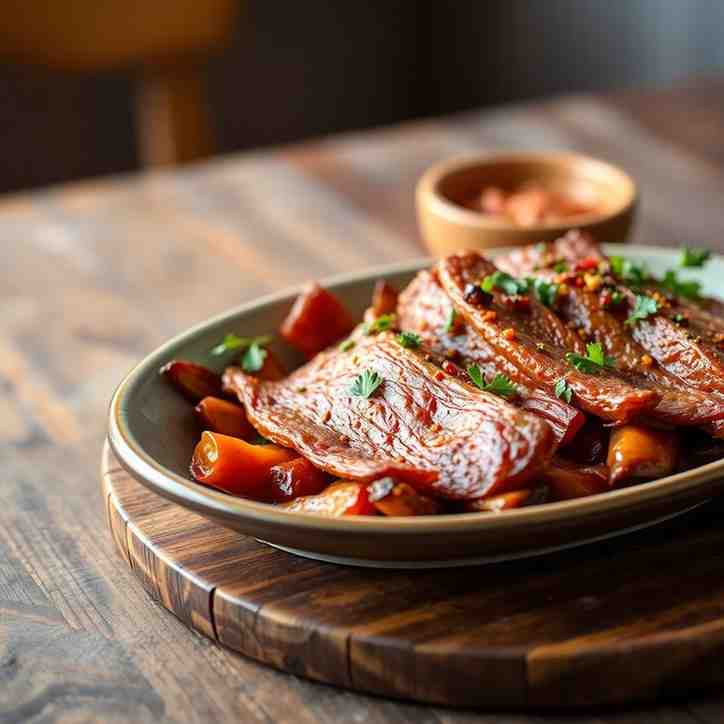
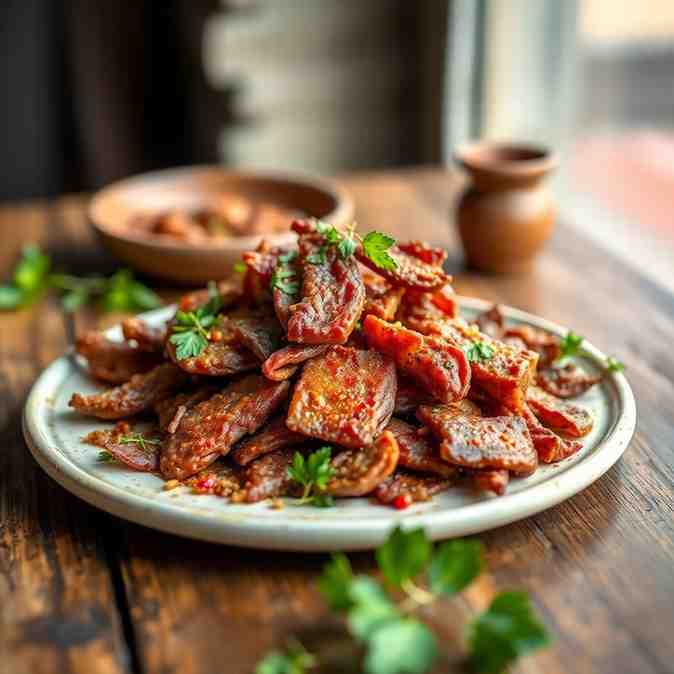
- Serves: 4 People
- Prepare Time: 20 minutes
- Cooking Time: 45 minutes
- Calories: -
- Difficulty: Medium
Welcome, fellow food adventurers, to a taste of the majestic Andes! If you're looking for truly unique and satisfying recipes for meat dishes, you've landed in the right spot. Today, we're diving deep into the heart of Bolivian cuisine to uncover Charque de Llama, a rustic yet incredibly flavorful traditional meal that's a staple in the high altitudes of the Andes.
Charque de Llama, often simply called "Charquekan" in its prepared form, isn't just another one of your main dish recipes; it's a culinary journey. Imagine tender, savory dried llama meat (or beef, if llama is hard to find!), perfectly complemented by a vibrant array of sides: fluffy boiled potatoes, earthy fava beans, sweet corn, and creamy hard-boiled eggs, all typically served with a fresh, tangy cheese and a spicy llajwa (Bolivian hot sauce). This dish is a celebration of local ingredients and ancient preservation techniques, offering a hearty and wholesome experience. Whether you're a seasoned chef or just starting your culinary explorations, our guide will make preparing this authentic Andean feast simple and enjoyable. Get ready to impress your taste buds with a dish that truly embodies the spirit of Bolivian hospitality!
Bolivian Charque de Llama is more than just a single component; it's a symphony of flavors and textures. Here, we'll guide you through preparing the star — the charque — along with its essential and delicious accompaniments.
Ingredients
Directions
- Rehydrate the Charque (if needed): If using traditional dried llama meat or beef jerky, you'll need to rehydrate it first. Place the charque in a bowl, cover with plenty of cold water, and let it soak overnight in the refrigerator. Change the water a few times if possible.
- Shred the Meat: After rehydration, drain the charque. Using your hands or two forks, shred the meat into thin strands. This can take a little effort but is key to the dish's texture. If using pre-shredded or less dry charque, you can skip some of the rehydration step.
- Prepare the Sides:
- Boiled Potatoes: Place the peeled potatoes in a pot, cover with cold water, add a pinch of salt, and bring to a boil. Cook until fork-tender (about 15-20 minutes). Drain and set aside.
- Boiled Fava Beans: If using dried fava beans, ensure they are fully rehydrated. Place them in a pot, cover with water, and boil until tender (this can take 20-30 minutes or more depending on how dry they were). Drain and set aside.
- Boiled Corn: Place the corn cobs in a pot, cover with water, and boil until tender (about 10-15 minutes). Drain and cut into thick slices.
- Hard-Boiled Eggs: For perfect hard-boiled eggs, place them in a single layer in a saucepan. Cover with about an inch of cold water. Bring the water to a rolling boil over high heat. Once boiling, remove the pan from the heat, cover, and let stand for 10-12 minutes. Immediately transfer the eggs to an ice bath to stop cooking. Once cool, peel and halve.
- Cook the Charque: Heat the vegetable oil in a large skillet or frying pan over medium-high heat. Add the shredded charque to the hot oil.
- Fry until Crispy: Fry the charque, stirring occasionally, until it's golden brown and crispy. This usually takes 10-15 minutes. If using ají panca or paprika, sprinkle it in during the last few minutes of cooking for extra flavor and color. Season with salt to taste, remembering that charque can already be salty.
- Assemble and Serve: On each plate, arrange a generous portion of the crispy charque. Alongside it, place a boiled potato, a serving of fava beans, a slice or two of corn, a halved hard-boiled egg, and a slice of fresh cheese. Serve immediately, with llajwa on the side for those who enjoy a spicy kick!
Andean Meat Recipes Bolivian Charque de Llama
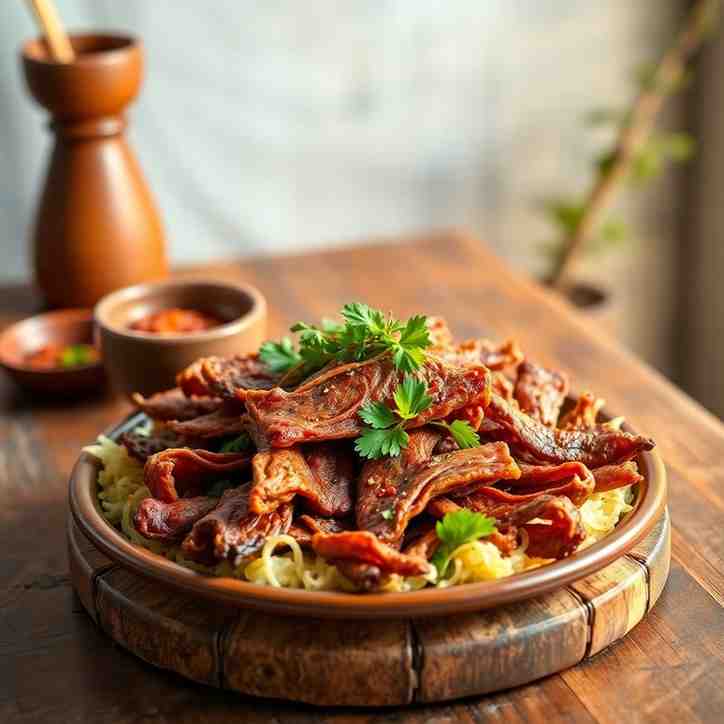
- Serves: 4 People
- Prepare Time: 20 minutes
- Cooking Time: 45 minutes
- Calories: -
- Difficulty: Medium
Welcome, fellow food adventurers, to a taste of the majestic Andes! If you're looking for truly unique and satisfying recipes for meat dishes, you've landed in the right spot. Today, we're diving deep into the heart of Bolivian cuisine to uncover Charque de Llama, a rustic yet incredibly flavorful traditional meal that's a staple in the high altitudes of the Andes.
Charque de Llama, often simply called "Charquekan" in its prepared form, isn't just another one of your main dish recipes; it's a culinary journey. Imagine tender, savory dried llama meat (or beef, if llama is hard to find!), perfectly complemented by a vibrant array of sides: fluffy boiled potatoes, earthy fava beans, sweet corn, and creamy hard-boiled eggs, all typically served with a fresh, tangy cheese and a spicy llajwa (Bolivian hot sauce). This dish is a celebration of local ingredients and ancient preservation techniques, offering a hearty and wholesome experience. Whether you're a seasoned chef or just starting your culinary explorations, our guide will make preparing this authentic Andean feast simple and enjoyable. Get ready to impress your taste buds with a dish that truly embodies the spirit of Bolivian hospitality!
Bolivian Charque de Llama is more than just a single component; it's a symphony of flavors and textures. Here, we'll guide you through preparing the star — the charque — along with its essential and delicious accompaniments.
Ingredients
Directions
- Rehydrate the Charque (if needed): If using traditional dried llama meat or beef jerky, you'll need to rehydrate it first. Place the charque in a bowl, cover with plenty of cold water, and let it soak overnight in the refrigerator. Change the water a few times if possible.
- Shred the Meat: After rehydration, drain the charque. Using your hands or two forks, shred the meat into thin strands. This can take a little effort but is key to the dish's texture. If using pre-shredded or less dry charque, you can skip some of the rehydration step.
- Prepare the Sides:
- Boiled Potatoes: Place the peeled potatoes in a pot, cover with cold water, add a pinch of salt, and bring to a boil. Cook until fork-tender (about 15-20 minutes). Drain and set aside.
- Boiled Fava Beans: If using dried fava beans, ensure they are fully rehydrated. Place them in a pot, cover with water, and boil until tender (this can take 20-30 minutes or more depending on how dry they were). Drain and set aside.
- Boiled Corn: Place the corn cobs in a pot, cover with water, and boil until tender (about 10-15 minutes). Drain and cut into thick slices.
- Hard-Boiled Eggs: For perfect hard-boiled eggs, place them in a single layer in a saucepan. Cover with about an inch of cold water. Bring the water to a rolling boil over high heat. Once boiling, remove the pan from the heat, cover, and let stand for 10-12 minutes. Immediately transfer the eggs to an ice bath to stop cooking. Once cool, peel and halve.
- Cook the Charque: Heat the vegetable oil in a large skillet or frying pan over medium-high heat. Add the shredded charque to the hot oil.
- Fry until Crispy: Fry the charque, stirring occasionally, until it's golden brown and crispy. This usually takes 10-15 minutes. If using ají panca or paprika, sprinkle it in during the last few minutes of cooking for extra flavor and color. Season with salt to taste, remembering that charque can already be salty.
- Assemble and Serve: On each plate, arrange a generous portion of the crispy charque. Alongside it, place a boiled potato, a serving of fava beans, a slice or two of corn, a halved hard-boiled egg, and a slice of fresh cheese. Serve immediately, with llajwa on the side for those who enjoy a spicy kick!
The following nutritional values are per serving (one piece of cake) Calories ~550-700 kcal Carbohydrates ~60-80g Protein ~40-55g Fat ~20-30g Time-Saving Tools & Ingredients Problem: Preparing traditional charque can be a long process, especially if you're starting with raw llama meat and need to tenderize it. Agitate: Who has hours to wait for meat to become perfectly tender after a long day? Tough, chewy meat can ruin an otherwise delicious meal. Problem: Preparing traditional charque can be a long process, especially if you're starting with raw llama meat and need to tenderize it. Problem: Boiling potatoes and eggs separately can take up stovetop space and require constant monitoring. Problem: Soaking dried fava beans overnight requires planning ahead, and sometimes you just crave charquekan now. Problem: Shucking and boiling fresh corn can be messy and time-consuming. Click any ingredient for detailed nutritional information:Recipe Nutritional Values
Additional Information
Recipe Success Tips
Ingredient Substitutions & Variations
Cultural Variations
Make-Ahead & Storage Instructions
Frequently Asked Questions
Recommended Kitchen Tools
pressure cooker
Agitate: Who has hours to wait for meat to become perfectly tender after a long day? Tough, chewy meat can ruin an otherwise delicious meal.
Solution: A pressure cooker can drastically cut down cooking time for the charque, transforming tough cuts into fork-tender deliciousness in a fraction of the usual time.Instant Pot
Agitate: Juggling multiple pots and timers can be stressful, and nobody wants undercooked potatoes or green-yolked eggs.
Solution: An Instant Pot or a dedicated egg cooker can perfectly cook your potatoes and hard-boiled eggs simultaneously or with minimal fuss, freeing up your hands and stovetop.canned fava beans
Agitate: Forgetting to soak means delaying your meal by a day, which is frustrating when hunger strikes!
Solution: Opt for canned fava beans (rinsed well) or pre-cooked frozen fava beans. They offer convenience without sacrificing the authentic flavor and texture.frozen pre-cooked hominy (mote)
Agitate: Dealing with corn silk and boiling large cobs adds extra steps when you're trying to get dinner on the table quickly.
Solution: Keep frozen pre-cooked hominy (mote) or frozen corn kernels on hand. They're ready to heat and serve, making your charquekan assembly much faster.Calories per Ingredient
You may also like

Hey there! I’m just someone who seriously loves good food and believes that cooking doesn’t have to be complicated to be amazing. Whether it’s a quick weeknight dinner or a cozy weekend meal, I’m all about sharing easy, tasty recipes that actually work.