Wiener Schnitzel Recipe
Wiener Schnitzel Recipe
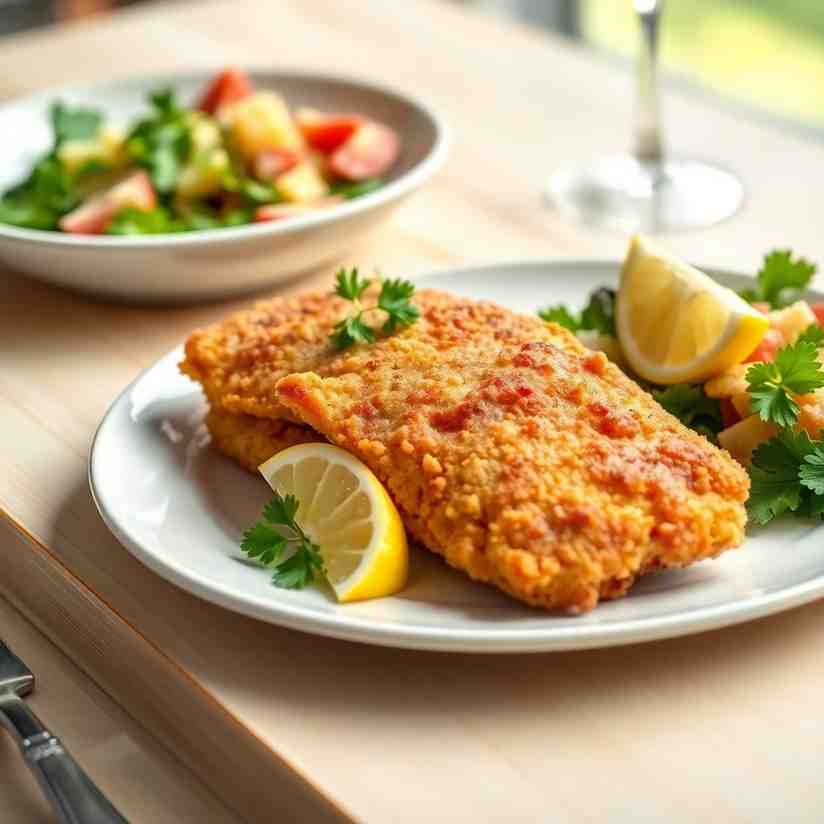
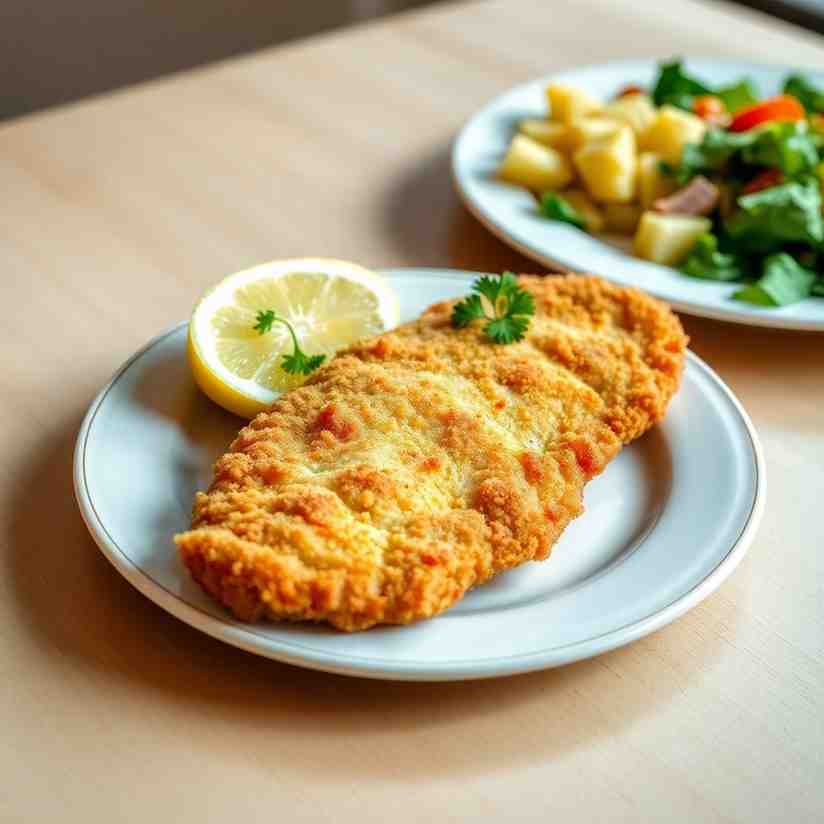
- Serves: 4 People
- Prepare Time: 10 minutes
- Cooking Time: 15 minutes
- Calories: -
- Difficulty: Medium
Craving the taste of Austria right in your kitchen? Look no further than Wiener Schnitzel, a true culinary icon. This isn't just any fried cutlet; it's a masterpiece of simplicity and technique, defined by its thin, tender veal schnitzel, a perfectly blistered crust, and a quick "swimming" fry in hot clarified butter. Get ready to discover the secrets to making the real deal, transforming humble ingredients into an unforgettable meal.
Ingredients
Directions
- Pound & Season the Veal: Place one veal cutlet between two pieces of plastic wrap or parchment paper. Using the flat side of a meat mallet or a rolling pin, pound the veal evenly to about ¼-inch thickness. You want it very thin but not torn. Repeat with the remaining cutlets. Season both sides of each pounded cutlet generously with kosher salt and freshly ground black pepper.
- Set Up Your Breading Stations: Prepare three shallow dishes. In the first, combine the all-purpose flour with 1 teaspoon of salt. In the second, whisk the eggs until well beaten. In the third, spread out the fine dry breadcrumbs. Make sure your crumbs are fine, like sand, not coarse like panko, for that traditional texture.
- Heat the Frying Fat: Add your clarified butter (or neutral oil with clarified butter) to your 12-inch skillet. You'll need enough fat to reach a depth of approximately ¾ to 1 inch. This depth is crucial for the schnitzel to "swim." Heat the fat over medium-high heat until it reaches a temperature of 340–360°F (170–180°C), as verified by an instant-read thermometer. Don't guess by smoke; a thermometer is your best friend here!
- Dredge, Dip, & Crumb (Lightly!): Working with one cutlet at a time, first dredge it in the salted flour, shaking off any excess. Next, dip it into the beaten eggs, letting any excess drip off completely. Finally, place it into the fine breadcrumbs. Gently, very gently, pat the crumbs onto the veal, but do not press them firmly. You want a light, loose coating; this is key for the "soufflé" crust.
- Fry Immediately & Let it "Swim": As soon as a cutlet is breaded, carefully slip it into the hot fat. The schnitzel should float and sizzle vigorously. Avoid crowding the pan; fry 1–2 cutlets at a time, depending on your skillet size. Cook for 2–3 minutes per side until it achieves a beautiful fox-gold color. As it fries, gently rock the pan or spoon hot fat over the top to encourage the coating to puff and blister. Flip once and cook for another 2–3 minutes until both sides are golden and crispy.
- Drain & Serve: Using a spider or tongs, carefully remove the cooked schnitzel from the pan and place it on a wire rack set over a sheet pan. This allows excess fat to drain and keeps the crust crisp. Do not stack the schnitzels. Immediately serve with a fresh lemon wedge (a squeeze of lemon is essential!) and, if desired, a sprinkle of fresh parsley. Classic sides include Austrian potato salad or simple parsley potatoes. Let the fat recover to the target temperature between batches, and skim any dark crumbs to prevent burning.
Wiener Schnitzel Recipe
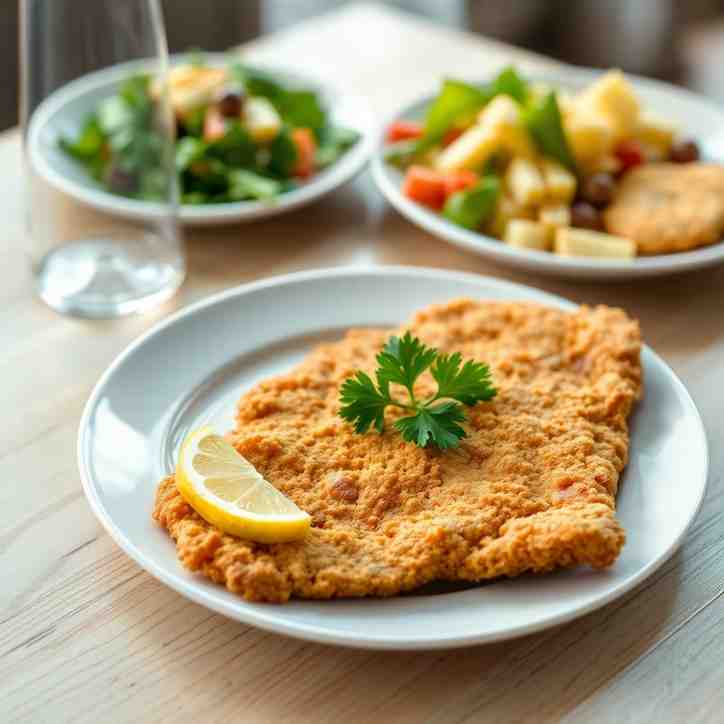
- Serves: 4 People
- Prepare Time: 10 minutes
- Cooking Time: 15 minutes
- Calories: -
- Difficulty: Medium
Craving the taste of Austria right in your kitchen? Look no further than Wiener Schnitzel, a true culinary icon. This isn't just any fried cutlet; it's a masterpiece of simplicity and technique, defined by its thin, tender veal schnitzel, a perfectly blistered crust, and a quick "swimming" fry in hot clarified butter. Get ready to discover the secrets to making the real deal, transforming humble ingredients into an unforgettable meal.
Ingredients
Directions
- Pound & Season the Veal: Place one veal cutlet between two pieces of plastic wrap or parchment paper. Using the flat side of a meat mallet or a rolling pin, pound the veal evenly to about ¼-inch thickness. You want it very thin but not torn. Repeat with the remaining cutlets. Season both sides of each pounded cutlet generously with kosher salt and freshly ground black pepper.
- Set Up Your Breading Stations: Prepare three shallow dishes. In the first, combine the all-purpose flour with 1 teaspoon of salt. In the second, whisk the eggs until well beaten. In the third, spread out the fine dry breadcrumbs. Make sure your crumbs are fine, like sand, not coarse like panko, for that traditional texture.
- Heat the Frying Fat: Add your clarified butter (or neutral oil with clarified butter) to your 12-inch skillet. You'll need enough fat to reach a depth of approximately ¾ to 1 inch. This depth is crucial for the schnitzel to "swim." Heat the fat over medium-high heat until it reaches a temperature of 340–360°F (170–180°C), as verified by an instant-read thermometer. Don't guess by smoke; a thermometer is your best friend here!
- Dredge, Dip, & Crumb (Lightly!): Working with one cutlet at a time, first dredge it in the salted flour, shaking off any excess. Next, dip it into the beaten eggs, letting any excess drip off completely. Finally, place it into the fine breadcrumbs. Gently, very gently, pat the crumbs onto the veal, but do not press them firmly. You want a light, loose coating; this is key for the "soufflé" crust.
- Fry Immediately & Let it "Swim": As soon as a cutlet is breaded, carefully slip it into the hot fat. The schnitzel should float and sizzle vigorously. Avoid crowding the pan; fry 1–2 cutlets at a time, depending on your skillet size. Cook for 2–3 minutes per side until it achieves a beautiful fox-gold color. As it fries, gently rock the pan or spoon hot fat over the top to encourage the coating to puff and blister. Flip once and cook for another 2–3 minutes until both sides are golden and crispy.
- Drain & Serve: Using a spider or tongs, carefully remove the cooked schnitzel from the pan and place it on a wire rack set over a sheet pan. This allows excess fat to drain and keeps the crust crisp. Do not stack the schnitzels. Immediately serve with a fresh lemon wedge (a squeeze of lemon is essential!) and, if desired, a sprinkle of fresh parsley. Classic sides include Austrian potato salad or simple parsley potatoes. Let the fat recover to the target temperature between batches, and skim any dark crumbs to prevent burning.
The following nutritional values are per serving (one piece of cake) Calories ~550-700 per serving (estimated) Carbohydrates ~20-30g per serving (estimated) Protein ~45-55g per serving (estimated) Fat ~35-50g per serving (estimated) Time-Saving Tools & Ingredients Sometimes, a little help in the kitchen goes a long way. These tools and ingredients can make your Wiener Schnitzel journey smoother and more enjoyable. Problem: Guessing your oil's temperature is a common pitfall when frying, leading to either soggy, greasy schnitzel (too cool) or burnt crumbs (too hot). Problem: Veal cutlets often come in varying thicknesses, and pounding them evenly by hand can be tricky and time-consuming. Problem: Using small, deep bowls for your breading station can make the dredging process messy and inefficient, leading to flour, egg, and crumbs spilling over. Click any ingredient for detailed nutritional information:Recipe Nutritional Values
Additional Information
Recipe Success Tips
Expert Cooking Tips
Troubleshooting Common Issues
Ingredient Substitutions & Variations
Make-Ahead & Storage Instructions
Frequently Asked Questions
Recommended Kitchen Tools
Instant-Read Thermometer
Agitate: This can be incredibly frustrating, ruining your hard work and leaving you with less-than-perfect results. You want that golden, crispy perfection, not a culinary disappointment!
Solution: An instant-read thermometer takes all the guesswork out. It ensures your frying fat is consistently in the ideal 340-360°F range, guaranteeing that beautiful, blistered crust every time.Meat Mallet
Agitate: Unevenly pounded meat leads to uneven cooking—some parts might be overcooked and tough, while others are still underdone. This compromises the tender, delicate texture Wiener Schnitzel is famous for.
Solution: A sturdy meat mallet makes quick work of pounding your veal to a uniform ¼-inch thickness. This ensures even cooking, maximum tenderness, and that classic, expansive schnitzel shape.Large, Shallow Dishes
Agitate: A cluttered and messy workspace adds stress to cooking, and nobody wants to spend extra time cleaning up when they could be enjoying their meal.
Solution: Setting up your breading station with large, shallow dishes (like pie plates or wide baking dishes) makes it easy to coat the schnitzel without making a huge mess. It gives you plenty of room to maneuver the cutlets and ensures a light, even coating.Calories per Ingredient
You may also like

Hey there! I’m just someone who seriously loves good food and believes that cooking doesn’t have to be complicated to be amazing. Whether it’s a quick weeknight dinner or a cozy weekend meal, I’m all about sharing easy, tasty recipes that actually work.