Armenian Fried Liver Dish Tjvjik Recipe for Tender Perfection
Armenian Fried Liver Dish Tjvjik Recipe for Tender Perfection
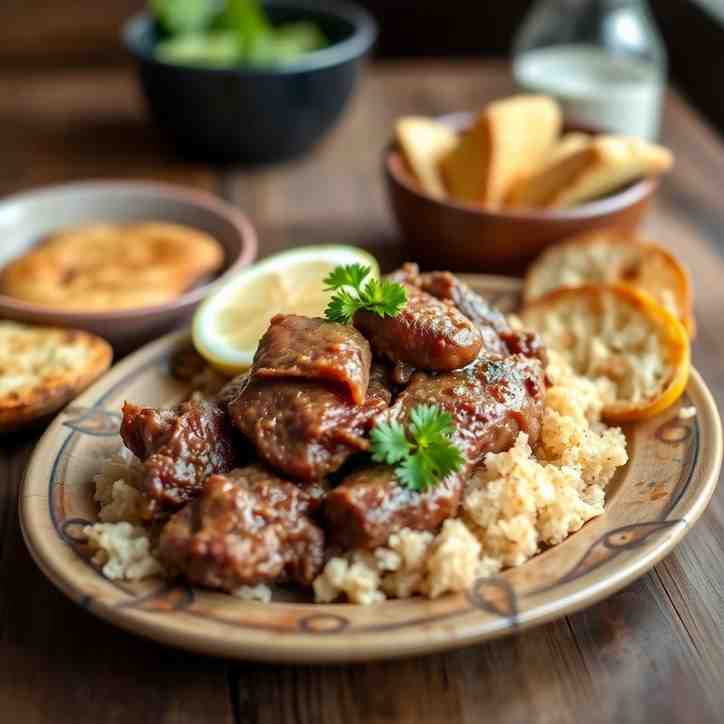
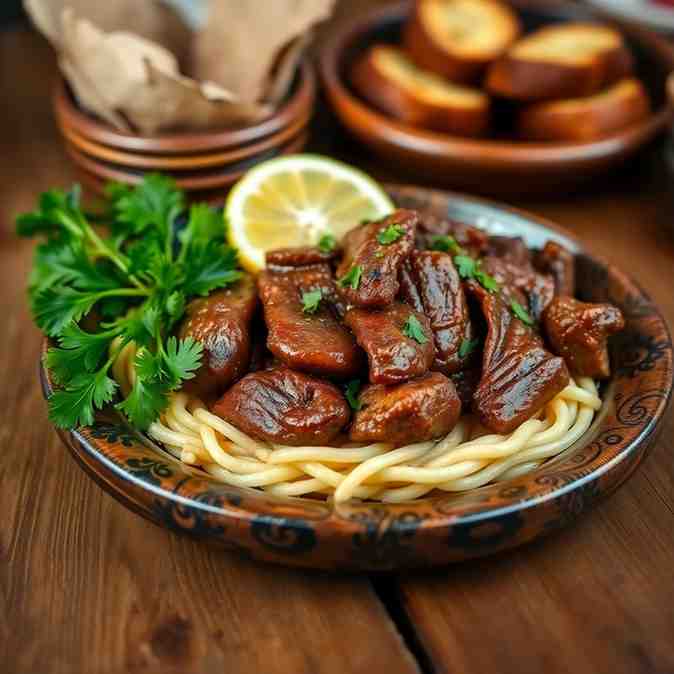
- Serves: 4 People
- Prepare Time: 15 minutes
- Cooking Time: 20 minutes
- Calories: -
- Difficulty: Easy
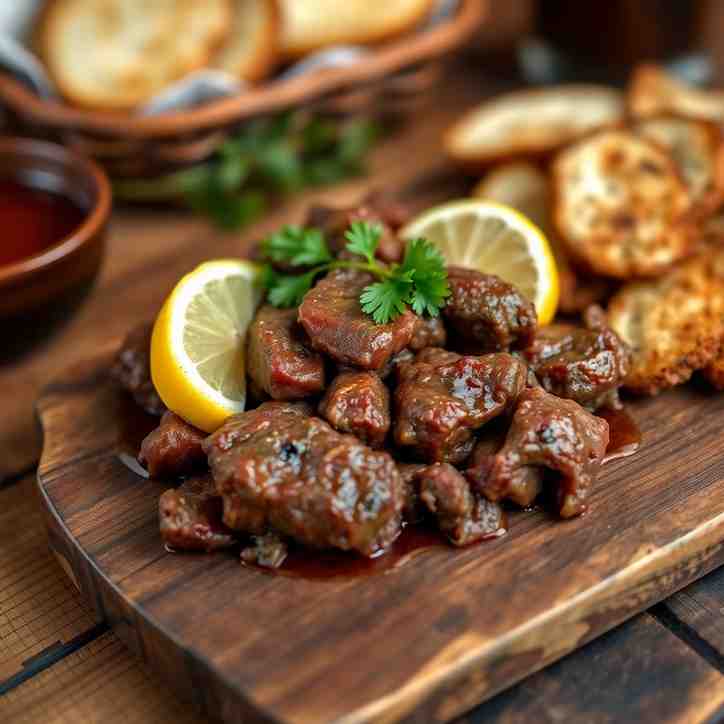
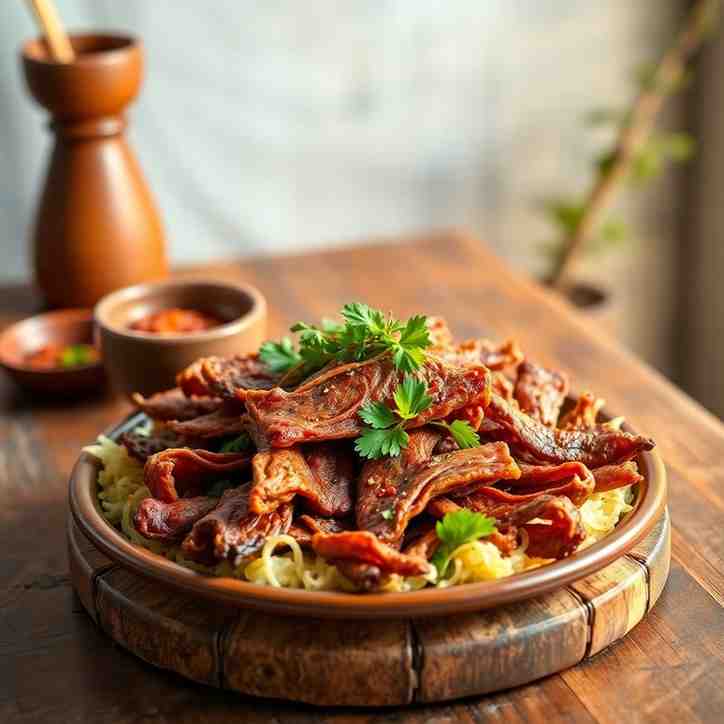
Get ready to discover a truly special dish that’s a cornerstone of Armenian cuisine: Tjvjik! This isn't just any Armenian liver dish; it’s a revelation. Imagine crispy edges, a wonderfully tender center, and sweet, caramelized chopped onions, all finished with a bright squeeze of lemon. This fried liver recipe is so flavorful and comforting, it’s designed to convert even the most skeptical liver eaters into lifelong fans. Forget everything you thought you knew about cooking liver – our Tjvjik recipe promises a no-rubber, no-mystery technique that’s home-cook-friendly and absolutely delicious.
Why will you absolutely love making this Armenian liver dish?
Quick & Easy: From prep to plate, you can have this incredible meal ready in about 30-40 minutes. Perfect for a weeknight!
Budget-Friendly: Liver is an economical cut of meat, making this a fantastic meal that feels special without breaking the bank.
Rich in Nutrients: It’s a powerhouse of iron and other essential vitamins, offering hearty comfort food with deep Armenian roots.
Authentic Flavors: Experience a taste of tradition with simple yet profound flavors that transport you straight to an Armenian kitchen.
Whether you're exploring new cultural cuisines or looking for a reliable cooking instruction guide for a delicious Armenian liver dish, this recipe is your ultimate resource. We’ll walk you through every step, from selecting your ingredients to achieving perfectly tender liver every time. Let's get cooking!
Ingredients
Directions
- Before You Start – Prep & Safety Tips:
Food Safety First: Always handle raw liver with care. Use a separate cutting board and knife, and wash your hands thoroughly with soap and hot water after handling.
Trim & Clean the Liver: Carefully remove any visible membranes, silver skin, or tough veins from the liver. Trim away any greenish or discolored spots. Cut the liver into evenly sized pieces (about 1/2-inch cubes or strips). Even sizing ensures even cooking.
Optional Soak (for Milder Flavor): If you're sensitive to liver's strong flavor, you can soak the trimmed liver pieces in milk or lightly salted water for 30 minutes to an hour in the refrigerator. This can mellow the taste. If using fresh, good-quality liver, many prefer to skip this step.
Pat Dry, Crucially: No matter if you soaked it or not, pat the liver pieces very dry with paper towels. Excess moisture is the enemy of browning and will make your liver steam instead of crisp.
Prep Onions: Thinly slice your onions. We cook them first to allow them to soften and caramelize, building a sweet base for the dish.
Get Your Pan Ready: Choose a large, heavy cooking skillet (a good cast iron skillet is ideal for even heat). Have your oil and butter (if using) ready to go. - Prep the Liver (Again!)
- If you haven't already, ensure your liver is trimmed, cleaned, and cut into uniform 1/2-inch cubes or strips. Pat it thoroughly dry with paper towels.
- Season & Dredge
- In a shallow dish or plate, combine the flour, 1/2 teaspoon salt, black pepper, ground coriander, and Aleppo pepper/paprika (if using). Mix well.
- Add the dry liver pieces to the seasoned flour mixture. Toss gently to coat each piece evenly, then shake off any excess flour. You want a very light dusting, not a thick batter.
- Gluten-Free Note: For a gluten-free option, simply use rice flour instead of all-purpose flour for dredging.
- Heat 2 tablespoons of the neutral oil (and the butter, if using) in your large, heavy iron cast skillet over medium-high heat.
- Once the oil is shimmering, add the thinly sliced onions to the pan. Season them lightly with a pinch of salt.
- Cook the onions, stirring occasionally, for 8-12 minutes, or until they are very soft, translucent, and have started to turn golden brown at the edges. They should be sweet and fragrant. Once done, push them to one side of the pan or transfer them to a plate.
- If you removed the onions, add the remaining 1 tablespoon of oil to the pan. If the onions are pushed to the side, add the oil to the empty side. Increase the heat to high or medium-high. You want the pan to be very hot.
- Once all the liver is cooked, return the caramelized onions to the pan (if you removed them). Toss the onions and liver together briefly, just for about 30 seconds, to combine their flavors and warm the onions through.
- Taste and adjust seasoning with additional salt and pepper if needed.
- Transfer the Armenian fried liver dish immediately to a serving platter. Squeeze fresh lemon juice generously over the top and garnish with fresh chopped parsley. Serve hot! A minute or two of resting won't hurt, but liver is best enjoyed fresh off the frying skillet.
Armenian Fried Liver Dish Tjvjik Recipe for Tender Perfection
- Serves: 4 People
- Prepare Time: 15 minutes
- Cooking Time: 20 minutes
- Calories: -
- Difficulty: Easy
Get ready to discover a truly special dish that’s a cornerstone of Armenian cuisine: Tjvjik! This isn't just any Armenian liver dish; it’s a revelation. Imagine crispy edges, a wonderfully tender center, and sweet, caramelized chopped onions, all finished with a bright squeeze of lemon. This fried liver recipe is so flavorful and comforting, it’s designed to convert even the most skeptical liver eaters into lifelong fans. Forget everything you thought you knew about cooking liver – our Tjvjik recipe promises a no-rubber, no-mystery technique that’s home-cook-friendly and absolutely delicious.
Why will you absolutely love making this Armenian liver dish?
Quick & Easy: From prep to plate, you can have this incredible meal ready in about 30-40 minutes. Perfect for a weeknight!
Budget-Friendly: Liver is an economical cut of meat, making this a fantastic meal that feels special without breaking the bank.
Rich in Nutrients: It’s a powerhouse of iron and other essential vitamins, offering hearty comfort food with deep Armenian roots.
Authentic Flavors: Experience a taste of tradition with simple yet profound flavors that transport you straight to an Armenian kitchen.
Whether you're exploring new cultural cuisines or looking for a reliable cooking instruction guide for a delicious Armenian liver dish, this recipe is your ultimate resource. We’ll walk you through every step, from selecting your ingredients to achieving perfectly tender liver every time. Let's get cooking!
Ingredients
Directions
- Before You Start – Prep & Safety Tips:
Food Safety First: Always handle raw liver with care. Use a separate cutting board and knife, and wash your hands thoroughly with soap and hot water after handling.
Trim & Clean the Liver: Carefully remove any visible membranes, silver skin, or tough veins from the liver. Trim away any greenish or discolored spots. Cut the liver into evenly sized pieces (about 1/2-inch cubes or strips). Even sizing ensures even cooking.
Optional Soak (for Milder Flavor): If you're sensitive to liver's strong flavor, you can soak the trimmed liver pieces in milk or lightly salted water for 30 minutes to an hour in the refrigerator. This can mellow the taste. If using fresh, good-quality liver, many prefer to skip this step.
Pat Dry, Crucially: No matter if you soaked it or not, pat the liver pieces very dry with paper towels. Excess moisture is the enemy of browning and will make your liver steam instead of crisp.
Prep Onions: Thinly slice your onions. We cook them first to allow them to soften and caramelize, building a sweet base for the dish.
Get Your Pan Ready: Choose a large, heavy cooking skillet (a good cast iron skillet is ideal for even heat). Have your oil and butter (if using) ready to go. - Prep the Liver (Again!)
- If you haven't already, ensure your liver is trimmed, cleaned, and cut into uniform 1/2-inch cubes or strips. Pat it thoroughly dry with paper towels.
- Season & Dredge
- In a shallow dish or plate, combine the flour, 1/2 teaspoon salt, black pepper, ground coriander, and Aleppo pepper/paprika (if using). Mix well.
- Add the dry liver pieces to the seasoned flour mixture. Toss gently to coat each piece evenly, then shake off any excess flour. You want a very light dusting, not a thick batter.
- Gluten-Free Note: For a gluten-free option, simply use rice flour instead of all-purpose flour for dredging.
- Heat 2 tablespoons of the neutral oil (and the butter, if using) in your large, heavy iron cast skillet over medium-high heat.
- Once the oil is shimmering, add the thinly sliced onions to the pan. Season them lightly with a pinch of salt.
- Cook the onions, stirring occasionally, for 8-12 minutes, or until they are very soft, translucent, and have started to turn golden brown at the edges. They should be sweet and fragrant. Once done, push them to one side of the pan or transfer them to a plate.
- If you removed the onions, add the remaining 1 tablespoon of oil to the pan. If the onions are pushed to the side, add the oil to the empty side. Increase the heat to high or medium-high. You want the pan to be very hot.
- Once all the liver is cooked, return the caramelized onions to the pan (if you removed them). Toss the onions and liver together briefly, just for about 30 seconds, to combine their flavors and warm the onions through.
- Taste and adjust seasoning with additional salt and pepper if needed.
- Transfer the Armenian fried liver dish immediately to a serving platter. Squeeze fresh lemon juice generously over the top and garnish with fresh chopped parsley. Serve hot! A minute or two of resting won't hurt, but liver is best enjoyed fresh off the frying skillet.
The following nutritional values are per serving (one piece of cake) Calories ~350-400 kcal Carbohydrates ~15-20g Protein ~30-35g Fat ~18-22g Tools and ingredients that can help you cook more easily and consistently. Cooking Tjvjik doesn't require a ton of fancy gadgets, but a few key tools and even some smart ingredient choices can make your time in the kitchen smoother and quicker. Problem: Trying to fry liver in a flimsy, unevenly heated pan can lead to stewed, rubbery pieces instead of beautifully browned, tender ones. Your onions might burn while the liver struggles to crisp. Problem: Dull knives can turn trimming liver and slicing onions into a frustrating, slow, and even hazardous chore. Ragged cuts on the liver make it cook unevenly, and thick, inconsistent onion slices won't caramelize properly. Click any ingredient for detailed nutritional information:Recipe Nutritional Values
Additional Information
Recipe Success Tips
Serving Suggestions & Pro Tips
Ingredient Substitutions & Variations
Cultural Variations
Make-Ahead & Storage Instructions
Frequently Asked Questions
Recommended Kitchen Tools
Time-Saving Tools & Ingredients
The Right Skillet Makes All the Difference
Agitate: An inadequate pan won't hold heat well, causing temperature fluctuations that prevent that crucial sear and can leave you with a disappointing texture and unevenly cooked ingredients. You'll spend more time trying to coax color out of your liver and might even overcrowd the pan just to get things to cook.
Solution: Invest in a heavy-bottomed, wide skillet, ideally cast iron or a good quality stainless steel. This type of pan distributes heat evenly, maintains a consistent high temperature, and provides ample surface area for the liver to sizzle in a single layer, ensuring perfect browning and tender results every time. It’s a game-changer for dishes like Tjvjik!A Sharp Chef's Knife
Agitate: Struggling with a blunt blade not only wastes precious prep time but also increases the risk of slips and accidents. You'll end up with wonky pieces of liver that either overcook or remain raw, and your onions will cook at different rates, leading to a less cohesive dish.
Solution: A sharp chef's knife is your best friend in the kitchen. It allows for precise, clean cuts, making quick work of trimming membranes from the liver and slicing onions thinly and evenly. This precision ensures uniform cooking and contributes to the overall success and presentation of your Tjvjik, saving you time and frustration.Calories per Ingredient
You may also like

Hey there! I’m just someone who seriously loves good food and believes that cooking doesn’t have to be complicated to be amazing. Whether it’s a quick weeknight dinner or a cozy weekend meal, I’m all about sharing easy, tasty recipes that actually work.