Belgian Beef Beer Stew Recipe Savor Carbonnade Flamande
Belgian Beef Beer Stew Recipe Savor Carbonnade Flamande
- Serves: 6 People
- Prepare Time: 30 minutes
- Cooking Time: 2 hours 30
- Calories: -
- Difficulty: Easy
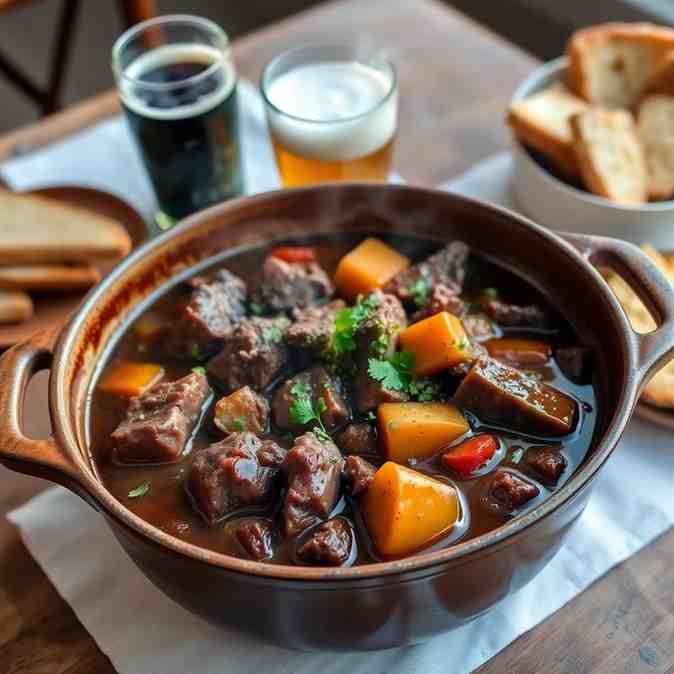
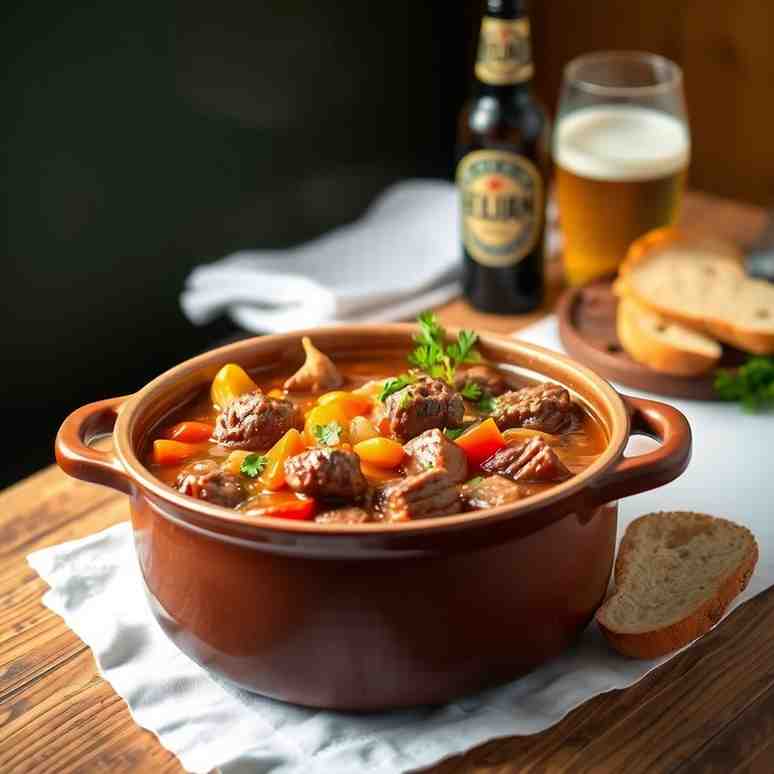
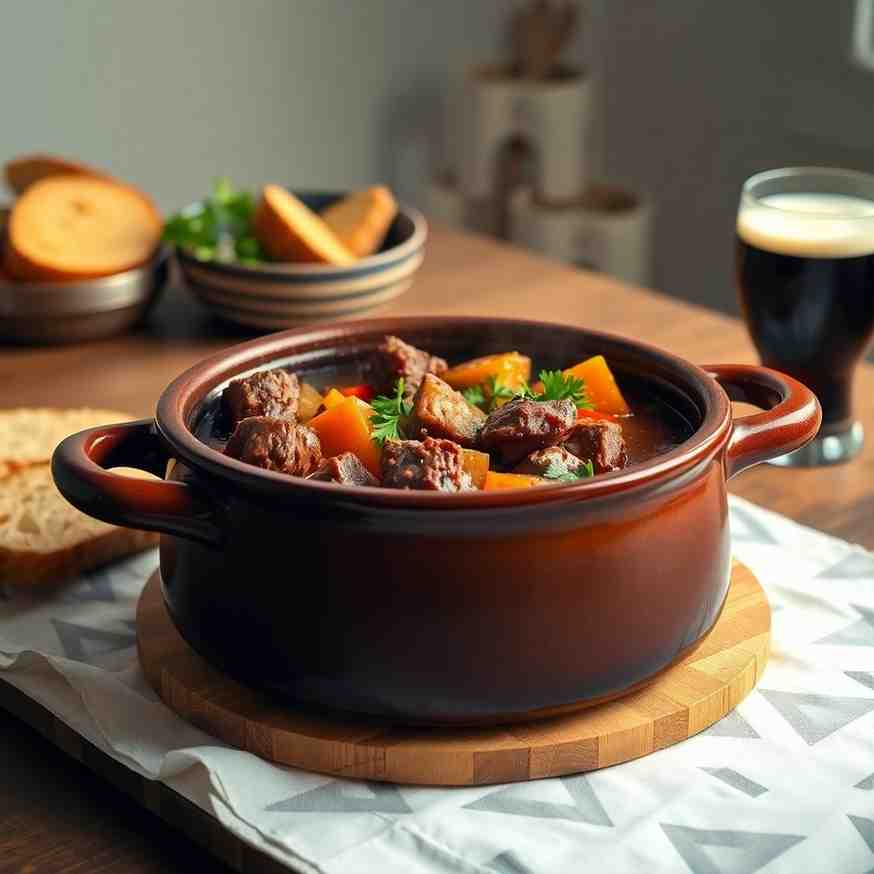
Craving a hearty, soul-warming meal that’s packed with flavor? Look no further than Carbonnade Flamande, Belgium's answer to the classic beef beer stew recipe. This isn't just any stew; it's a sweet-savory masterpiece from the Flanders region, slow-cooked until the beef is impossibly tender and fall-apart delicious. Forget juggling multiple appliances or complicated steps; we're giving you one clear, foolproof method for an authentic Belgian Carbonnade Flamande recipe that works perfectly in your home kitchen.
What makes this stew so special? It’s all about the deep, rich flavor that comes from patiently caramelizing tons of onions, simmering with a beautiful Belgian-style beer, and letting time do its magic. You’ll love how this classic beef stew uses affordable cuts of beef, transforming them into something truly luxurious. Plus, it’s even better the next day, making it the ultimate make-ahead dish for cozy gatherings. Whether you serve it with crispy fries, creamy mashed potatoes, or just a hunk of crusty bread, this slow cooker hearty beef stew (even if made in a Dutch oven!) is guaranteed to become a family favorite. Get ready to discover your new go-to beef and Guinness stew (or rather, Belgian beer stew!) recipe that’s perfect for any occasion.
Ingredients
Directions
- Prep the Beef & Vegetables: Preheat your oven to 325°F (160°C). Pat the beef cubes very dry with paper towels. In a large bowl, toss the beef with 1 teaspoon salt, ½ teaspoon black pepper, and ¼ cup flour until evenly coated. Set aside. Thinly slice the onions from root to tip and mince the garlic.
- Brown the Beef: Place a large (at least 6-quart) Dutch oven or heavy-bottomed pot over medium-high heat. Add 1 tablespoon of neutral oil or butter. Working in batches to avoid overcrowding, add the beef cubes and brown them deeply on at least two sides, about 3-4 minutes per side. You’re looking for a rich, mahogany crust, not just gray meat. Transfer the browned beef to a plate and set aside, leaving any browned bits (fond) in the pot.
- Render Bacon & Caramelize Onions: Add the diced bacon or lardons to the Dutch oven and cook over medium heat until the fat is rendered and the bacon is crisp. Remove the bacon with a slotted spoon and set aside (you can add it back later or use it as garnish). Leave about 1-2 tablespoons of bacon fat in the pot, draining any excess. Add the sliced onions to the pot with a pinch of salt. Cook low and slow over medium-low heat for 30-40 minutes, stirring occasionally, until the onions are deeply caramelized to a rich golden-brown color and are soft and jammy, not wet and pale. Add the minced garlic for the last minute of cooking, stirring constantly to prevent burning.
- Deglaze with Beer & Build the Base: Pour the entire bottle of beer into the Dutch oven. Use a wooden spoon to scrape up all the browned bits (fond) from the bottom of the pot – this is where a lot of the flavor comes from! Bring the liquid to a simmer and let it cook for a few minutes to reduce slightly and cook off any harsh alcohol edge.
- Add Remaining Liquids & Braise: Stir in the beef broth, brown sugar, cider vinegar, fresh thyme, bay leaf, and any optional Sirop de Liège, red currant jelly, or apple butter. Give the liquid a quick taste for balance – it will be strong, but you should already get a hint of its sweet-sour profile. Return the browned beef (and any accumulated juices from the plate) to the pot, stirring to coat. Bring the stew just to a gentle simmer on the stovetop.
- Slow Cook in the Oven: Cover the Dutch oven tightly with its lid and transfer it to the preheated oven. Braise for 2 to 2.5 hours, or until the beef is fork-tender. After about 90 minutes, give it a stir and check the liquid level. The beef should be easily pierced with a fork but not shreddy or dry.
- Adjust & Finish: Carefully remove the pot from the oven. If there's a lot of excess fat on the surface, skim it off with a spoon. Taste the stew and adjust the seasonings: add more salt for depth, a small amount of extra brown sugar if it’s too sharp, or a splash more vinegar if it tastes flat or too sweet. Stir in the Dijon mustard and chopped fresh parsley off the heat. Let the stew rest for 10-15 minutes before serving; this allows the flavors to meld and the sauce to thicken slightly.
Belgian Beef Beer Stew Recipe Savor Carbonnade Flamande
- Serves: 6 People
- Prepare Time: 30 minutes
- Cooking Time: 2 hours 30
- Calories: -
- Difficulty: Easy
Craving a hearty, soul-warming meal that’s packed with flavor? Look no further than Carbonnade Flamande, Belgium's answer to the classic beef beer stew recipe. This isn't just any stew; it's a sweet-savory masterpiece from the Flanders region, slow-cooked until the beef is impossibly tender and fall-apart delicious. Forget juggling multiple appliances or complicated steps; we're giving you one clear, foolproof method for an authentic Belgian Carbonnade Flamande recipe that works perfectly in your home kitchen.
What makes this stew so special? It’s all about the deep, rich flavor that comes from patiently caramelizing tons of onions, simmering with a beautiful Belgian-style beer, and letting time do its magic. You’ll love how this classic beef stew uses affordable cuts of beef, transforming them into something truly luxurious. Plus, it’s even better the next day, making it the ultimate make-ahead dish for cozy gatherings. Whether you serve it with crispy fries, creamy mashed potatoes, or just a hunk of crusty bread, this slow cooker hearty beef stew (even if made in a Dutch oven!) is guaranteed to become a family favorite. Get ready to discover your new go-to beef and Guinness stew (or rather, Belgian beer stew!) recipe that’s perfect for any occasion.
Ingredients
Directions
- Prep the Beef & Vegetables: Preheat your oven to 325°F (160°C). Pat the beef cubes very dry with paper towels. In a large bowl, toss the beef with 1 teaspoon salt, ½ teaspoon black pepper, and ¼ cup flour until evenly coated. Set aside. Thinly slice the onions from root to tip and mince the garlic.
- Brown the Beef: Place a large (at least 6-quart) Dutch oven or heavy-bottomed pot over medium-high heat. Add 1 tablespoon of neutral oil or butter. Working in batches to avoid overcrowding, add the beef cubes and brown them deeply on at least two sides, about 3-4 minutes per side. You’re looking for a rich, mahogany crust, not just gray meat. Transfer the browned beef to a plate and set aside, leaving any browned bits (fond) in the pot.
- Render Bacon & Caramelize Onions: Add the diced bacon or lardons to the Dutch oven and cook over medium heat until the fat is rendered and the bacon is crisp. Remove the bacon with a slotted spoon and set aside (you can add it back later or use it as garnish). Leave about 1-2 tablespoons of bacon fat in the pot, draining any excess. Add the sliced onions to the pot with a pinch of salt. Cook low and slow over medium-low heat for 30-40 minutes, stirring occasionally, until the onions are deeply caramelized to a rich golden-brown color and are soft and jammy, not wet and pale. Add the minced garlic for the last minute of cooking, stirring constantly to prevent burning.
- Deglaze with Beer & Build the Base: Pour the entire bottle of beer into the Dutch oven. Use a wooden spoon to scrape up all the browned bits (fond) from the bottom of the pot – this is where a lot of the flavor comes from! Bring the liquid to a simmer and let it cook for a few minutes to reduce slightly and cook off any harsh alcohol edge.
- Add Remaining Liquids & Braise: Stir in the beef broth, brown sugar, cider vinegar, fresh thyme, bay leaf, and any optional Sirop de Liège, red currant jelly, or apple butter. Give the liquid a quick taste for balance – it will be strong, but you should already get a hint of its sweet-sour profile. Return the browned beef (and any accumulated juices from the plate) to the pot, stirring to coat. Bring the stew just to a gentle simmer on the stovetop.
- Slow Cook in the Oven: Cover the Dutch oven tightly with its lid and transfer it to the preheated oven. Braise for 2 to 2.5 hours, or until the beef is fork-tender. After about 90 minutes, give it a stir and check the liquid level. The beef should be easily pierced with a fork but not shreddy or dry.
- Adjust & Finish: Carefully remove the pot from the oven. If there's a lot of excess fat on the surface, skim it off with a spoon. Taste the stew and adjust the seasonings: add more salt for depth, a small amount of extra brown sugar if it’s too sharp, or a splash more vinegar if it tastes flat or too sweet. Stir in the Dijon mustard and chopped fresh parsley off the heat. Let the stew rest for 10-15 minutes before serving; this allows the flavors to meld and the sauce to thicken slightly.
The following nutritional values are per serving (one piece of cake) Calories ~550-650 kcal Carbohydrates ~25-35g Protein ~45-55g Fat ~30-40g Time-Saving Tools & Ingredients Here are a few items that can make your Carbonnade Flamande journey smoother and more enjoyable: Problem: You're trying to achieve that perfect deep brown sear on your beef and caramelize a mountain of onions, but your pot heats unevenly, leading to scorched spots or pale, sad meat. Problem: Chopping all those onions and cubing beef with a dull knife is slow, frustrating, and frankly, a bit dangerous. Slipping can lead to accidents and uneven cuts. Problem: You pick up a random beer from the store, and it ends up being too bitter or too light, leaving your carbonnade tasting off or lacking the characteristic depth. Click any ingredient for detailed nutritional information:Recipe Nutritional Values
Additional Information
Recipe Success Tips
Ingredient Substitutions & Variations
Cultural Variations
Make-Ahead & Storage Instructions
Frequently Asked Questions
Recommended Kitchen Tools
Heavy-Bottomed Dutch Oven
Agitate: Without consistent heat distribution, you risk under-browning your beef (missing out on crucial flavor) or burning your onions (adding a bitter taste). This means more stirring, more stress, and a less-than-perfect stew.
Solution: A good quality, heavy-bottomed Dutch oven (like a Le Creuset or Lodge) provides even heat distribution, allowing your beef to brown beautifully and your onions to caramelize slowly and uniformly without scorching. It also transitions perfectly from stovetop to oven for the long braise.Sharp Chef's Knife
Agitate: A dull knife makes prep work feel like a chore, extending your active time and making you dread getting started. Uneven beef chunks cook at different rates, potentially leading to some tough pieces and some overcooked ones.
Solution: Invest in a sharp chef's knife. It glides through beef and onions effortlessly, making prep quicker, safer, and more enjoyable. Evenly cut ingredients ensure consistent cooking, giving you that perfect, fork-tender beef in every bite.Quality Belgian Dubbel or Abbey Ale
Agitate: Using the wrong beer can throw off the entire flavor profile of your stew, making it harsh, watery, or simply not authentic. You've put in all that effort, only for the foundational liquid to disappoint.
Solution: Opt for a high-quality Belgian Dubbel or Abbey Ale. These beers bring a beautiful balance of malty sweetness, subtle fruit notes, and a rich depth that is crucial for an authentic Carbonnade Flamande. They are specifically designed for this type of slow-cooked dish, ensuring a complex and delicious final product without any guesswork.Calories per Ingredient
You may also like


Hey there! I’m just someone who seriously loves good food and believes that cooking doesn’t have to be complicated to be amazing. Whether it’s a quick weeknight dinner or a cozy weekend meal, I’m all about sharing easy, tasty recipes that actually work.