Belizean Fish Snapper Recipe Sere in Coconut Milk
Belizean Fish Snapper Recipe Sere in Coconut Milk
- Serves: 4 People
- Prepare Time: 20 minutes
- Cooking Time: 30 minutes
- Calories: -
- Difficulty: Easy
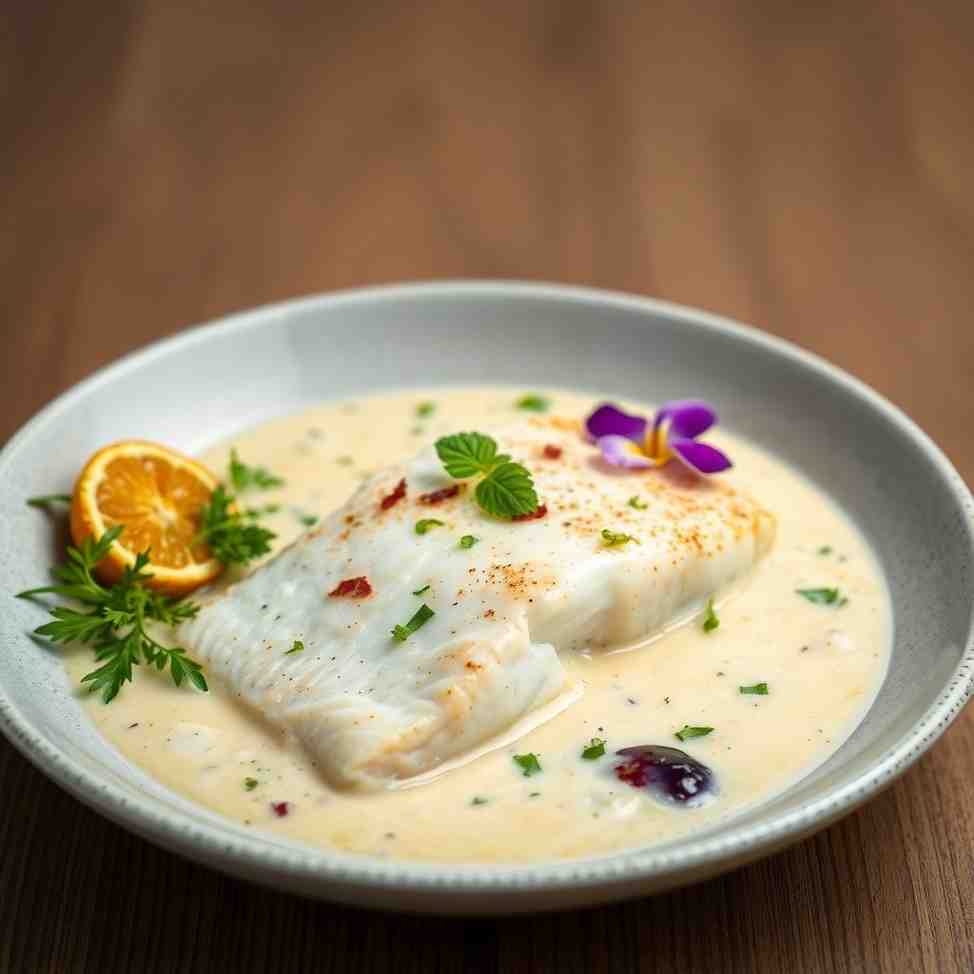
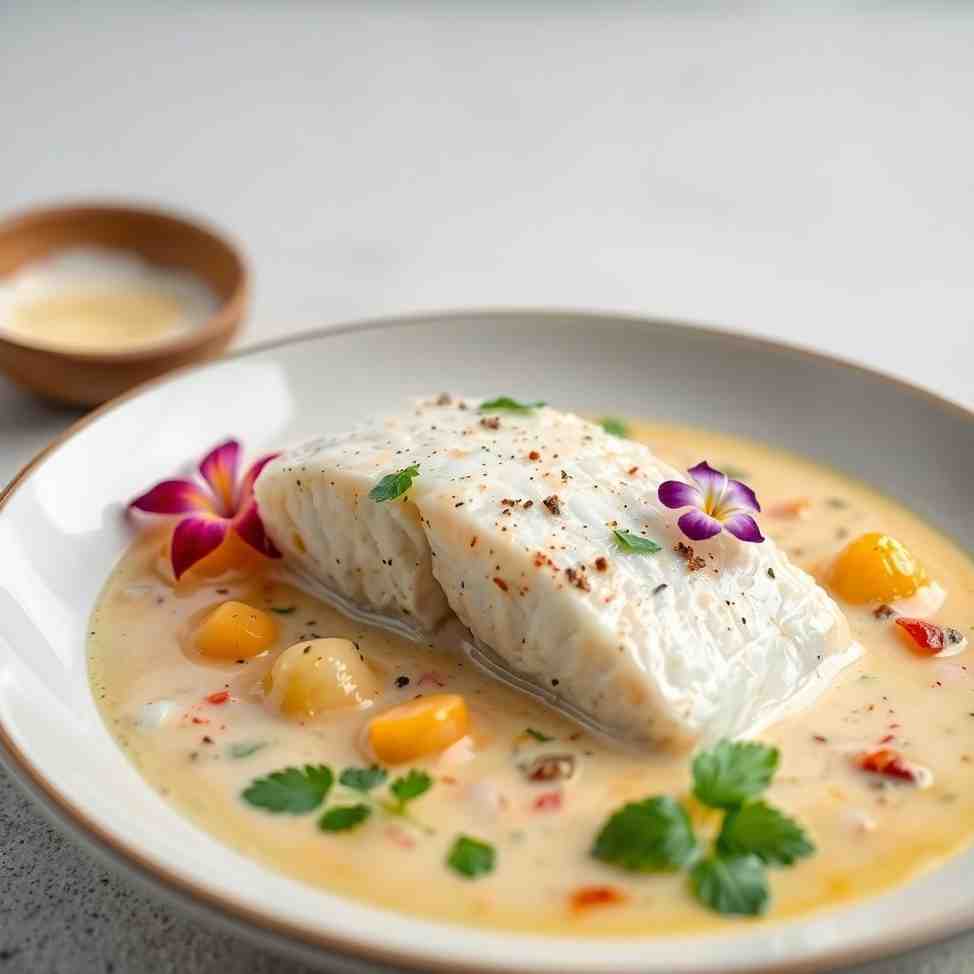
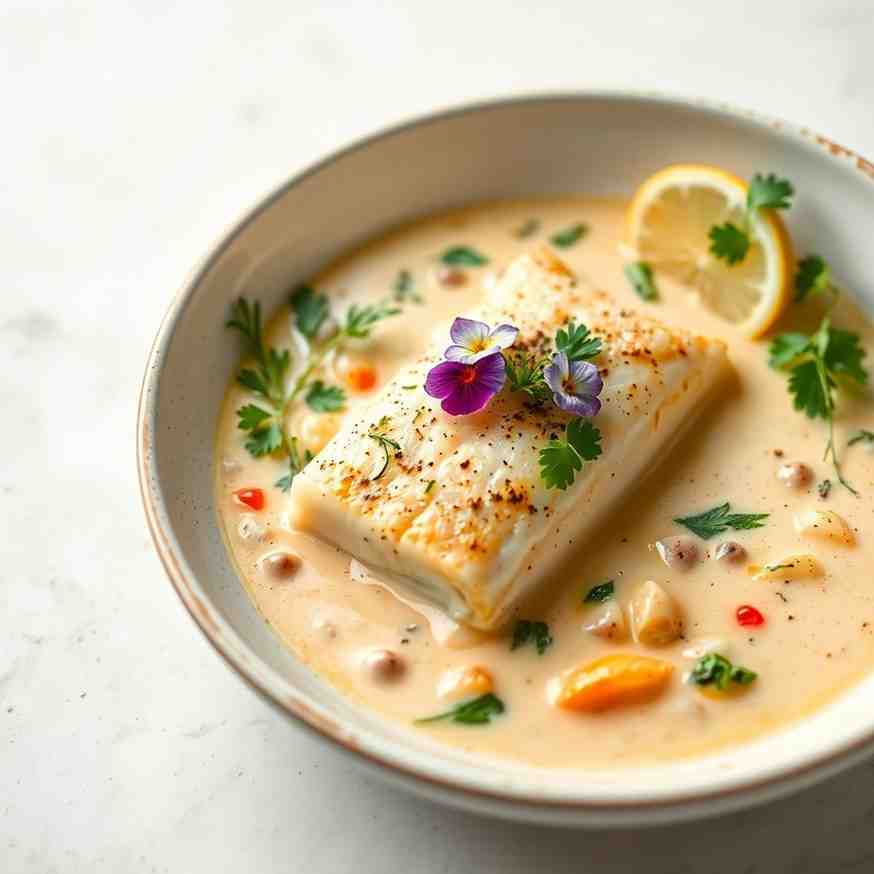
Get ready to transport your taste buds straight to the sunny shores of Belize! If you've been searching for an authentic fish snapper recipe that's bursting with vibrant, tropical flavors, you've found it. Our special Belizean Fish Sere is a true taste of Belize, offering a comforting, savory stew made with tender snapper, creamy coconut milk recipes, and hearty recipe green plantains. It’s the best way to cook snapper fish for a truly unforgettable meal.
At its heart, Belizean Fish Sere is a thick, savory Belizean coconut fish stew featuring flaky snapper, sweet green plantains, starchy cassava, carrots, and a fragrant blend of herbs. This dish has deep Garifuna and Kriol roots, making it a staple in Belizean homes. While Sere is often served alongside Hudut (a delicious mashed plantain side) or coconut rice, our recipe focuses entirely on crafting the perfect, flavorful fish stew itself. Think of it this way: Sere is the rich, soupy main course, while Hudut is its beloved, starchy companion. This recipe will guide you through making the Sere, ensuring you get all the tips for snapper fish how to cook it perfectly.
Truly Belizean Flavors: Experience the authentic blend of snapper, rich coconut milk, and earthy green plantains that defines this Caribbean gem.
Adapted for US Supermarkets: We’ve made sure to include easy substitutions for ingredients like culantro and cassava, so you can find everything you need without a special trip.
Beginner-Friendly: Our step-by-step guidance and troubleshooting tips mean you can confidently tackle this recipe, even if it’s your first time cooking Belizean food or trying a fresh fish recipe.
Naturally Gluten-Free and Dairy-Free: This wholesome dish is naturally free from gluten and dairy, making it a great option for many dietary needs.
Ingredients
Directions
- Prep the Fish Pat your snapper fillets dry with paper towels to ensure better seasoning and prevent steaming. Feel for any stray bones and remove them with tweezers if necessary. Cut the fish into even 1.5 to 2-inch chunks; this helps them cook quickly and uniformly. Season the fish simply with a generous pinch of salt, a dash of black pepper, and a tiny sprinkle of dried thyme. Set aside.
- Prep the Vegetables & Plantains Carefully peel your green plantains. The skin can be tough, so trim the ends, score lengthwise, and then peel. Slice them into thick coins or sturdy chunks. Peel the cassava (or potato) and dice it into bite-size pieces. Slice the carrot into rounds. Chop your onion, mince the garlic, and roughly chop the culantro or cilantro. If using raw cassava, ensure it is thoroughly cooked in the stew, as it should not be consumed raw.
- Build the Coconut Broth Place your heavy pot or Dutch oven over medium heat. Add the coconut oil and let it melt gently. Add the chopped onion and sauté for 3-5 minutes until it softens and becomes translucent. Stir in the minced garlic and cook for another minute until fragrant. Add the dried thyme and a little black pepper, stirring for about 30 seconds. Pour in the full-fat coconut milk and the water, whisking gently to ensure everything is fully combined and smooth. Bring the mixture just to a gentle simmer, being careful not to let it come to a hard boil, which can cause the coconut milk to curdle.
- Add the Plantains & Vegetables Once the broth is gently simmering, add the diced cassava (or potato), green plantains, and sliced carrot. Give it a gentle stir. Continue to simmer gently for 10-15 minutes, stirring the liquid often but trying not to aggressively disturb the areas where the fish will soon be added. Cook until you can easily pierce the cassava and plantain with a fork, and the broth looks creamy and slightly thickened. This ensures the tougher vegetables are tender before the fish goes in.
- Poach the Fish Gently Lower the heat to a very gentle simmer. Carefully nestle the seasoned fish pieces into the simmering broth in a single layer. If you’re using a whole habanero pepper for flavor (without the intense heat), place it gently on top of the stew. Simmer without stirring the fish too much, as it’s delicate. Cook for 8-10 minutes, just until the fish flakes easily with a fork but still holds its shape. Overcooking will make the fish tough and dry.
- Taste, Adjust & Serve Once the fish is cooked, taste the broth and adjust the salt, pepper, or herbs as needed. If you used the whole habanero and prefer a milder heat, carefully remove it now. For an extra burst of freshness, stir in a handful of your fresh cilantro or culantro right at the end. Ladle the Belizean Fish Sere into bowls, making sure each serving gets a good mix of fish, plantains, cassava, and carrot. It's traditionally served over plain white rice or coconut rice. Garnish with a bit more fresh cilantro and a lime wedge for a bright finish.
Belizean Fish Snapper Recipe Sere in Coconut Milk
- Serves: 4 People
- Prepare Time: 20 minutes
- Cooking Time: 30 minutes
- Calories: -
- Difficulty: Easy
Get ready to transport your taste buds straight to the sunny shores of Belize! If you've been searching for an authentic fish snapper recipe that's bursting with vibrant, tropical flavors, you've found it. Our special Belizean Fish Sere is a true taste of Belize, offering a comforting, savory stew made with tender snapper, creamy coconut milk recipes, and hearty recipe green plantains. It’s the best way to cook snapper fish for a truly unforgettable meal.
At its heart, Belizean Fish Sere is a thick, savory Belizean coconut fish stew featuring flaky snapper, sweet green plantains, starchy cassava, carrots, and a fragrant blend of herbs. This dish has deep Garifuna and Kriol roots, making it a staple in Belizean homes. While Sere is often served alongside Hudut (a delicious mashed plantain side) or coconut rice, our recipe focuses entirely on crafting the perfect, flavorful fish stew itself. Think of it this way: Sere is the rich, soupy main course, while Hudut is its beloved, starchy companion. This recipe will guide you through making the Sere, ensuring you get all the tips for snapper fish how to cook it perfectly.
Truly Belizean Flavors: Experience the authentic blend of snapper, rich coconut milk, and earthy green plantains that defines this Caribbean gem.
Adapted for US Supermarkets: We’ve made sure to include easy substitutions for ingredients like culantro and cassava, so you can find everything you need without a special trip.
Beginner-Friendly: Our step-by-step guidance and troubleshooting tips mean you can confidently tackle this recipe, even if it’s your first time cooking Belizean food or trying a fresh fish recipe.
Naturally Gluten-Free and Dairy-Free: This wholesome dish is naturally free from gluten and dairy, making it a great option for many dietary needs.
Ingredients
Directions
- Prep the Fish Pat your snapper fillets dry with paper towels to ensure better seasoning and prevent steaming. Feel for any stray bones and remove them with tweezers if necessary. Cut the fish into even 1.5 to 2-inch chunks; this helps them cook quickly and uniformly. Season the fish simply with a generous pinch of salt, a dash of black pepper, and a tiny sprinkle of dried thyme. Set aside.
- Prep the Vegetables & Plantains Carefully peel your green plantains. The skin can be tough, so trim the ends, score lengthwise, and then peel. Slice them into thick coins or sturdy chunks. Peel the cassava (or potato) and dice it into bite-size pieces. Slice the carrot into rounds. Chop your onion, mince the garlic, and roughly chop the culantro or cilantro. If using raw cassava, ensure it is thoroughly cooked in the stew, as it should not be consumed raw.
- Build the Coconut Broth Place your heavy pot or Dutch oven over medium heat. Add the coconut oil and let it melt gently. Add the chopped onion and sauté for 3-5 minutes until it softens and becomes translucent. Stir in the minced garlic and cook for another minute until fragrant. Add the dried thyme and a little black pepper, stirring for about 30 seconds. Pour in the full-fat coconut milk and the water, whisking gently to ensure everything is fully combined and smooth. Bring the mixture just to a gentle simmer, being careful not to let it come to a hard boil, which can cause the coconut milk to curdle.
- Add the Plantains & Vegetables Once the broth is gently simmering, add the diced cassava (or potato), green plantains, and sliced carrot. Give it a gentle stir. Continue to simmer gently for 10-15 minutes, stirring the liquid often but trying not to aggressively disturb the areas where the fish will soon be added. Cook until you can easily pierce the cassava and plantain with a fork, and the broth looks creamy and slightly thickened. This ensures the tougher vegetables are tender before the fish goes in.
- Poach the Fish Gently Lower the heat to a very gentle simmer. Carefully nestle the seasoned fish pieces into the simmering broth in a single layer. If you’re using a whole habanero pepper for flavor (without the intense heat), place it gently on top of the stew. Simmer without stirring the fish too much, as it’s delicate. Cook for 8-10 minutes, just until the fish flakes easily with a fork but still holds its shape. Overcooking will make the fish tough and dry.
- Taste, Adjust & Serve Once the fish is cooked, taste the broth and adjust the salt, pepper, or herbs as needed. If you used the whole habanero and prefer a milder heat, carefully remove it now. For an extra burst of freshness, stir in a handful of your fresh cilantro or culantro right at the end. Ladle the Belizean Fish Sere into bowls, making sure each serving gets a good mix of fish, plantains, cassava, and carrot. It's traditionally served over plain white rice or coconut rice. Garnish with a bit more fresh cilantro and a lime wedge for a bright finish.
The following nutritional values are per serving (one piece of cake) Estimated Calories per serving 450-550 kcal Estimated Carbohydrates per serving 40-50g Estimated Protein per serving 30-35g Estimated Fat per serving 25-35g Tools and ingredients that can help you cook more easily and consistently. Problem: You're constantly reaching for different measuring tools, slowing down your prep. Problem: Your knife isn't doing its job, making vegetable prep a chore. Problem: You're struggling to peel those stubborn green plantains and cassava. Problem: You want the authentic flavors but can't find specific ingredients like culantro or fresh cassava. Click any ingredient for detailed nutritional information:Recipe Nutritional Values
Additional Information
Recipe Success Tips
Ingredient Substitutions & Variations
Cultural Variations & Serving Suggestions
Make-Ahead & Storage Instructions
Tips & Troubleshooting
Frequently Asked Questions
Recommended Kitchen Tools
Time-Saving Tools & Ingredients
Agitate: Juggling multiple measuring spoons and cups can be messy and interrupt your flow, especially when you're trying to quickly add ingredients to a simmering pot.
Solution: Invest in a good magnetic measuring spoon set and a stackable measuring cup set. These keep everything organized, easy to find, and make cleanup a breeze. Plus, having spoons that cling together means no more rummaging through the drawer!Time-Saving Tools & Ingredients
Agitate: A dull knife makes chopping tough plantains and cassava feel like a wrestling match. It's not just frustrating; it can be dangerous, as you're more likely to slip.
Solution: A sharp chef's knife is your best friend in the kitchen. If yours isn't up to par, consider getting it professionally sharpened or investing in a good quality sharpening steel for home maintenance. It'll transform your prep time and make cooking much more enjoyable.Time-Saving Tools & Ingredients
Agitate: Green plantains and cassava can be notoriously difficult to peel, often requiring a lot of force and leaving you with sticky hands or even nicks.
Solution: A heavy-duty vegetable peeler (like a Y-peeler) can make all the difference. For plantains, a trick is to cut off the ends, score the skin lengthwise in a few places, and then use the peeler or your fingers to pull the skin away. For cassava, a good peeler combined with a sharp knife to score the tough outer layer works wonders.Time-Saving Tools & Ingredients
Agitate: It can be disheartening when you're trying to recreate an authentic dish but local supermarkets don't carry the exact ingredients, making you feel like you're compromising on flavor.
Solution: Don't stress! Our recipe provides easy substitutions for ingredients like culantro (use cilantro) and cassava (use potato or extra plantain). These swaps are designed to maintain the spirit and flavor profile of the dish while making it accessible no matter where you shop.Calories per Ingredient
You may also like



Hey there! I’m just someone who seriously loves good food and believes that cooking doesn’t have to be complicated to be amazing. Whether it’s a quick weeknight dinner or a cozy weekend meal, I’m all about sharing easy, tasty recipes that actually work.