Bosnian Japrak - Make Stuffed Grape Leaves Today
Bosnian Japrak - Make Stuffed Grape Leaves Today
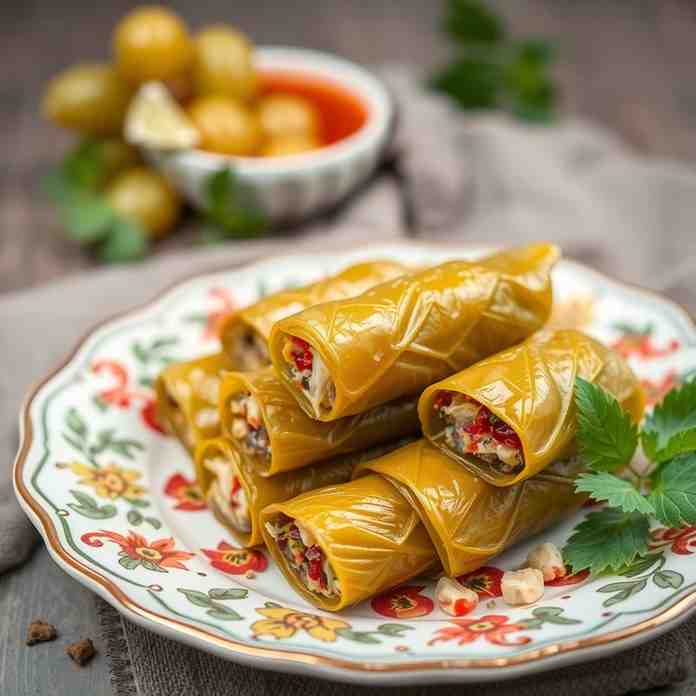
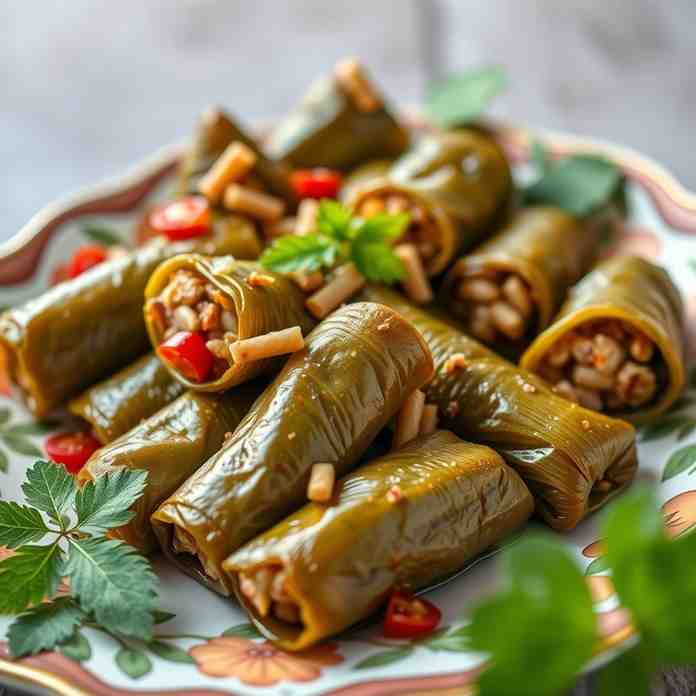
- Serves: 6 People
- Prepare Time: 45 minutes
- Cooking Time: 2 hours
- Calories: -
- Difficulty: Medium
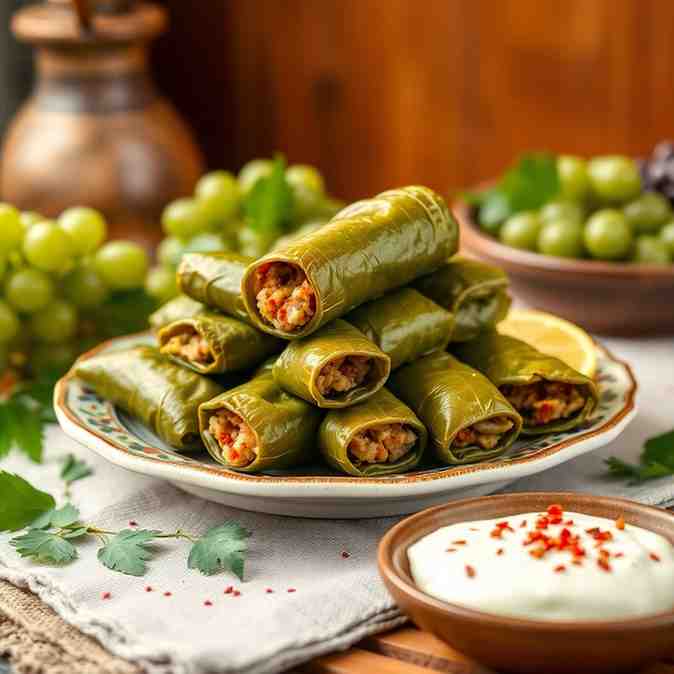
Welcome to a culinary journey that takes you straight to the heart of Bosnia! Today, we're diving into the delightful world of Japrak, an authentic dish of stuffed grape leaves that's a true taste of Bosnia. This isn't just any recipe; it's a celebration of tradition, passed down through generations, offering rich, savory flavors that will transport your taste buds. While many versions of stuffed grape vine leaves exist, our Bosnian Japrak stands out with its unique use of fermented cabbage (or fresh, if you prefer!) and a hearty, perfectly seasoned filling. Get ready to create a meal that’s not just food, but a story on a plate – robust, comforting, and utterly delicious. We promise, this recipe will quickly become a cherished favorite in your kitchen, delivering an unparalleled authentic experience.
Ingredients
Directions
- Prepare the Fermented Cabbage (Optional, 7-10 days ahead):
- If using fermented cabbage: Remove any damaged outer leaves from the cabbage. Quarter and core the cabbage. Shred it finely (a mandoline works great!).
- In a large, clean bowl, vigorously massage the shredded cabbage with the sea salt for 5-10 minutes until it releases a good amount of liquid. Add optional spices if desired.
- Pack the cabbage tightly into a clean, sterile fermentation crock or a large glass jar. Press down firmly to remove air pockets and ensure the cabbage is fully submerged in its own brine. If needed, add a little filtered water to cover.
- Place a weight (like a smaller plate or a clean rock) on top to keep the cabbage submerged. Cover loosely with a lid or cloth.
- Let it ferment at room temperature (65-75°F / 18-24°C) for 7-10 days, or until it reaches your desired sourness. Skim any mold from the surface daily (don't worry, it's normal!). Once fermented, transfer to the fridge. This homemade fermented cabbage is key for an authentic taste of Bosnia!
- Prepare the Japrak Filling:
- In a large bowl, combine the lamb ground meat (or beef), rinsed rice, finely chopped onion, minced garlic, paprika, black pepper, dill, red pepper flakes (if using), fresh parsley, and 1 teaspoon of salt.
- Add 1/4 cup of water or broth.
- Mix everything thoroughly with your hands until well combined, but don't overmix. This is your flavorful ground beef seasoning for a fantastic beef and rice combination.
- Prepare the Grape Leaves:
- If using jarred grape leaves, rinse them well under cold water to remove excess brine. Trim any tough stems.
- If using fresh grape leaves, blanch them in boiling water for 1-2 minutes until pliable, then drain and rinse with cold water. Trim stems.
- Stuff the Grape Leaves:
- Lay a grape leaf flat on a clean surface, shiny side down, with the stem end facing you.
- Place about 1-2 tablespoons of the meat and rice and spices filling near the bottom of the leaf, forming a small log.
- Fold the bottom of the leaf over the filling, then fold in the sides.
- Roll tightly upwards to create a neat, firm (but not overly tight) cigar-shaped roll. Repeat with all the leaves and filling. This ensures your stuffed grape leaves hold their shape perfectly.
- Assemble and Cook the Japrak:
- In a large, heavy-bottomed pot or Dutch oven, drizzle a little olive oil.
- Arrange the sliced onion rings on the bottom of the pot. This creates a protective layer and adds flavor.
- Arrange the stuffed grape leaves snugly in layers over the onions. If you made fermented cabbage, you can layer some of the shredded fermented cabbage between the Japrak rolls, or on top.
- In a separate bowl, mix the crushed tomatoes (or tomato paste and water) with the beef broth. Season with salt and pepper to taste. This will be your delicious tomato sauce recipe base.
- Pour the broth and tomato mixture over the Japrak rolls until they are completely submerged.
- Place a heat-proof plate directly on top of the rolls to keep them submerged during cooking.
- Bring the liquid to a boil, then reduce the heat to low, cover the pot, and simmer gently for about 2 hours, or until the rice is cooked through and the meat is tender.
- Serve the Japrak:
- Carefully remove the plate.
- Serve the hot Japrak with a dollop of sour cream or plain yogurt, a sprinkle of fresh dill or parsley, and a slice of crusty bread. This dish is perfect on its own, or with a simple green salad. Enjoy your authentic Bosnian feast!
Bosnian Japrak - Make Stuffed Grape Leaves Today
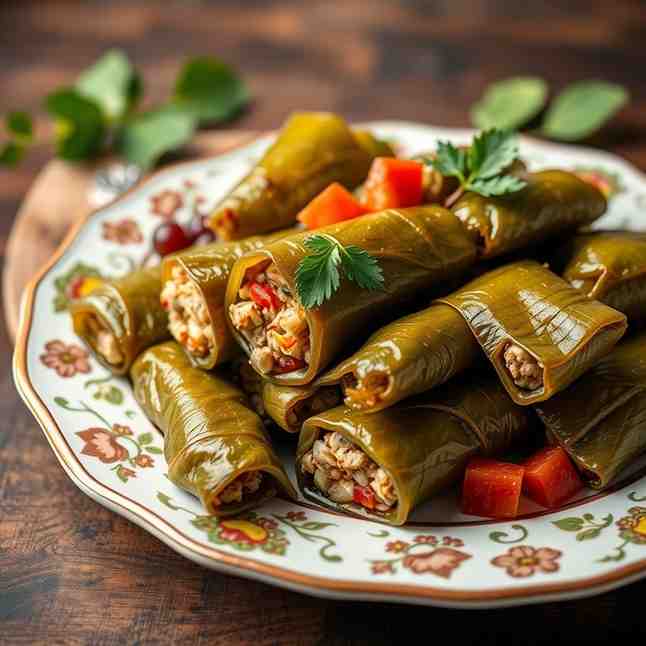
- Serves: 6 People
- Prepare Time: 45 minutes
- Cooking Time: 2 hours
- Calories: -
- Difficulty: Medium
Welcome to a culinary journey that takes you straight to the heart of Bosnia! Today, we're diving into the delightful world of Japrak, an authentic dish of stuffed grape leaves that's a true taste of Bosnia. This isn't just any recipe; it's a celebration of tradition, passed down through generations, offering rich, savory flavors that will transport your taste buds. While many versions of stuffed grape vine leaves exist, our Bosnian Japrak stands out with its unique use of fermented cabbage (or fresh, if you prefer!) and a hearty, perfectly seasoned filling. Get ready to create a meal that’s not just food, but a story on a plate – robust, comforting, and utterly delicious. We promise, this recipe will quickly become a cherished favorite in your kitchen, delivering an unparalleled authentic experience.
Ingredients
Directions
- Prepare the Fermented Cabbage (Optional, 7-10 days ahead):
- If using fermented cabbage: Remove any damaged outer leaves from the cabbage. Quarter and core the cabbage. Shred it finely (a mandoline works great!).
- In a large, clean bowl, vigorously massage the shredded cabbage with the sea salt for 5-10 minutes until it releases a good amount of liquid. Add optional spices if desired.
- Pack the cabbage tightly into a clean, sterile fermentation crock or a large glass jar. Press down firmly to remove air pockets and ensure the cabbage is fully submerged in its own brine. If needed, add a little filtered water to cover.
- Place a weight (like a smaller plate or a clean rock) on top to keep the cabbage submerged. Cover loosely with a lid or cloth.
- Let it ferment at room temperature (65-75°F / 18-24°C) for 7-10 days, or until it reaches your desired sourness. Skim any mold from the surface daily (don't worry, it's normal!). Once fermented, transfer to the fridge. This homemade fermented cabbage is key for an authentic taste of Bosnia!
- Prepare the Japrak Filling:
- In a large bowl, combine the lamb ground meat (or beef), rinsed rice, finely chopped onion, minced garlic, paprika, black pepper, dill, red pepper flakes (if using), fresh parsley, and 1 teaspoon of salt.
- Add 1/4 cup of water or broth.
- Mix everything thoroughly with your hands until well combined, but don't overmix. This is your flavorful ground beef seasoning for a fantastic beef and rice combination.
- Prepare the Grape Leaves:
- If using jarred grape leaves, rinse them well under cold water to remove excess brine. Trim any tough stems.
- If using fresh grape leaves, blanch them in boiling water for 1-2 minutes until pliable, then drain and rinse with cold water. Trim stems.
- Stuff the Grape Leaves:
- Lay a grape leaf flat on a clean surface, shiny side down, with the stem end facing you.
- Place about 1-2 tablespoons of the meat and rice and spices filling near the bottom of the leaf, forming a small log.
- Fold the bottom of the leaf over the filling, then fold in the sides.
- Roll tightly upwards to create a neat, firm (but not overly tight) cigar-shaped roll. Repeat with all the leaves and filling. This ensures your stuffed grape leaves hold their shape perfectly.
- Assemble and Cook the Japrak:
- In a large, heavy-bottomed pot or Dutch oven, drizzle a little olive oil.
- Arrange the sliced onion rings on the bottom of the pot. This creates a protective layer and adds flavor.
- Arrange the stuffed grape leaves snugly in layers over the onions. If you made fermented cabbage, you can layer some of the shredded fermented cabbage between the Japrak rolls, or on top.
- In a separate bowl, mix the crushed tomatoes (or tomato paste and water) with the beef broth. Season with salt and pepper to taste. This will be your delicious tomato sauce recipe base.
- Pour the broth and tomato mixture over the Japrak rolls until they are completely submerged.
- Place a heat-proof plate directly on top of the rolls to keep them submerged during cooking.
- Bring the liquid to a boil, then reduce the heat to low, cover the pot, and simmer gently for about 2 hours, or until the rice is cooked through and the meat is tender.
- Serve the Japrak:
- Carefully remove the plate.
- Serve the hot Japrak with a dollop of sour cream or plain yogurt, a sprinkle of fresh dill or parsley, and a slice of crusty bread. This dish is perfect on its own, or with a simple green salad. Enjoy your authentic Bosnian feast!
The following nutritional values are per serving (one piece of cake) Calories ~350-450 kcal Carbohydrates ~30-40g Protein ~20-25g Fat ~15-25g Tools and ingredients that can help you cook more easily and consistently. Problem: Rolling individual grape leaves can be a bit tricky and time-consuming, especially if you're new to it or making a big batch. Problem: Fermenting your own cabbage from scratch takes time and specific conditions, which not everyone has readily available. Problem: Chopping all your ingredients by hand, especially the meat and herbs for the filling, can be a chore. Click any ingredient for detailed nutritional information:Recipe Nutritional Values
Additional Information
Recipe Success Tips
Ingredient Substitutions & Variations
Fermentation & Cooking Troubleshooting
Make-Ahead & Storage Instructions
Frequently Asked Questions
Recommended Kitchen Tools
Time-Saving Tools & Ingredients
Agitate: Who wants to spend hours perfecting each tiny roll when hunger strikes? It can feel like an endless task!
Solution: Invest in a simple grape leaf rolling tool (sometimes called a dolma roller). These gadgets make rolling consistent, tight Japrak incredibly quick and easy, turning a daunting task into a breeze.Time-Saving Tools & Ingredients
Agitate: You want that authentic fermented tang, but waiting days or weeks for your cabbage to ferment might not fit into your schedule.
Solution: Don't hesitate to use high-quality, store-bought fermented cabbage (often labeled as sauerkraut in the refrigerated section) or even jarred grape leaves if fresh ones aren't in season. This cuts down on significant prep time and still delivers fantastic flavor.Time-Saving Tools & Ingredients
Agitate: Your hands get tired, and achieving a perfectly uniform mince can be tough, leading to uneven cooking.
Solution: A food processor can be your best friend here! Use it to quickly mince your meat, rice, and herbs for the filling, ensuring everything is finely chopped and mixes together beautifully in minutes.Calories per Ingredient
You may also like

Hey there! I’m just someone who seriously loves good food and believes that cooking doesn’t have to be complicated to be amazing. Whether it’s a quick weeknight dinner or a cozy weekend meal, I’m all about sharing easy, tasty recipes that actually work.