Brunei Laksa Asian Noodle Soup
Brunei Laksa Asian Noodle Soup
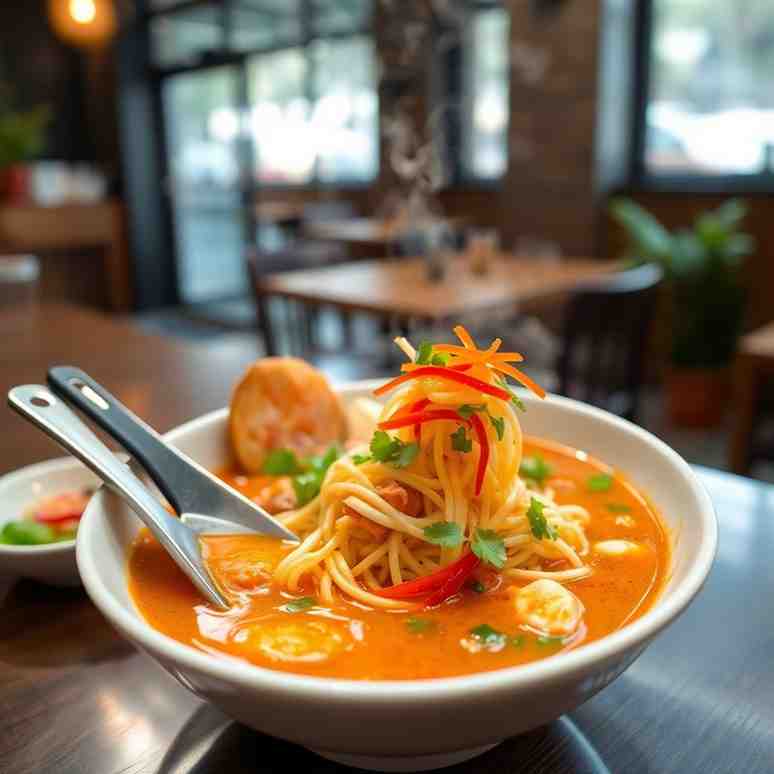
- Serves: 4 People
- Prepare Time: 30 minutes
- Cooking Time: 45 minutes
- Calories: -
- Difficulty: Medium
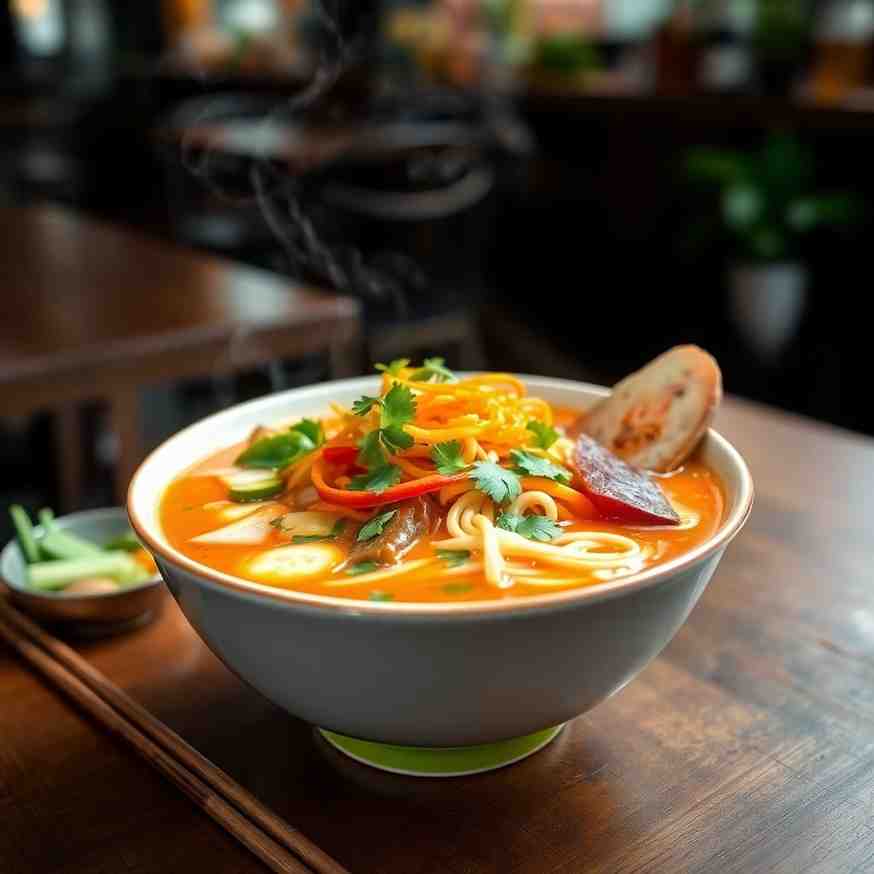
Ever dreamt of a culinary adventure that tantalizes your taste buds with exotic spices and comforting warmth? Look no further than Brunei Laksa! This isn't just any `asian noodle soup`; it's a vibrant, aromatic masterpiece that perfectly captures the heart of Southeast Asian cuisine. Unlike other laksa variations, Brunei Laksa offers a unique depth of flavor, often characterized by its rich, fragrant spice blend and creamy coconut milk broth. It's a dish steeped in cultural significance, a staple that brings families together and showcases the region's incredible culinary heritage. Whether you're a seasoned chef or just starting your journey into `cook healthy recipes` with an `asian seasoning for chicken` kick, this guide is for you. We'll walk you through everything, from creating your own `hot curry spice` blend to simmering `the best broth`, ensuring you can recreate this authentic experience right in your kitchen. Get ready to explore the magic of `spicy asian noodles` and truly `savor the richness` of Brunei!
Ingredients
Directions
- Preparing the Laksa Spice Paste (Rempeh)
- Prep the Aromatics: If using dried chilies, soak them in hot water for 15-20 minutes until soft. Drain and deseed them. Slice the white parts of the lemongrass, peel and slice the galangal, garlic, and shallot. Lightly toast the shrimp paste in a dry pan for a minute or two until fragrant.
- Blend the Paste: In a food processor or blender, combine the turmeric, lemongrass, galangal, rehydrated chilies, garlic, shallot, toasted shrimp paste, ground coriander, and ground cumin. Add 1/4 cup of water or vegetable oil to help blend. Process until you have a smooth, fragrant paste. This is the heart of your `make your own spice blend` and the secret to an authentic Brunei Laksa flavor!
- Cooking the Broth
- Sauté the Paste: Heat 2 tablespoons of cooking oil in a large pot or Dutch oven over medium heat. Add the prepared laksa spice paste. Sauté the paste, stirring frequently, for 8-10 minutes. This step is crucial for developing the flavors and ensuring the paste isn't raw. You'll know it's ready when the oil separates from the paste and it smells incredibly aromatic.
- Add Broth & Coconut Milk: Pour in the `spicy chicken broth` and bring it to a gentle simmer. Stir in the `sugar free coconut milk`, tamarind water (if using), and sugar. Season with salt to taste. Let the broth simmer gently for at least 15-20 minutes, allowing all the flavors to meld beautifully. Avoid boiling the broth vigorously once the coconut milk is added, as it can curdle.
- Preparing Toppings & Assembling the Dish
- Cook Prawns: While the broth simmers, add the peeled prawns to the broth and cook for just 2-3 minutes until they turn pink and opaque. Do not overcook them! Remove them from the broth and set aside to prevent them from becoming rubbery.
- Noodles: Cook your `thin rice noodles` or `rice vermicelli noodles` according to package instructions. Drain well.
- Assemble: Divide the cooked noodles among serving bowls. Ladle the hot, flavorful laksa broth over the noodles.
- Add Toppings: Arrange the cooked prawns, halved tofu puffs, hard-boiled egg halves, and blanched bean sprouts on top of the noodles.
- Final Touches and Garnish
- Garnish: Sprinkle generously with fresh chopped cilantro.
- Serve: Serve immediately with lime wedges on the side for a squeeze of freshness and extra sliced chilies for those who crave more heat. Enjoy your rich and authentic `asian style noodles`!
Brunei Laksa Asian Noodle Soup
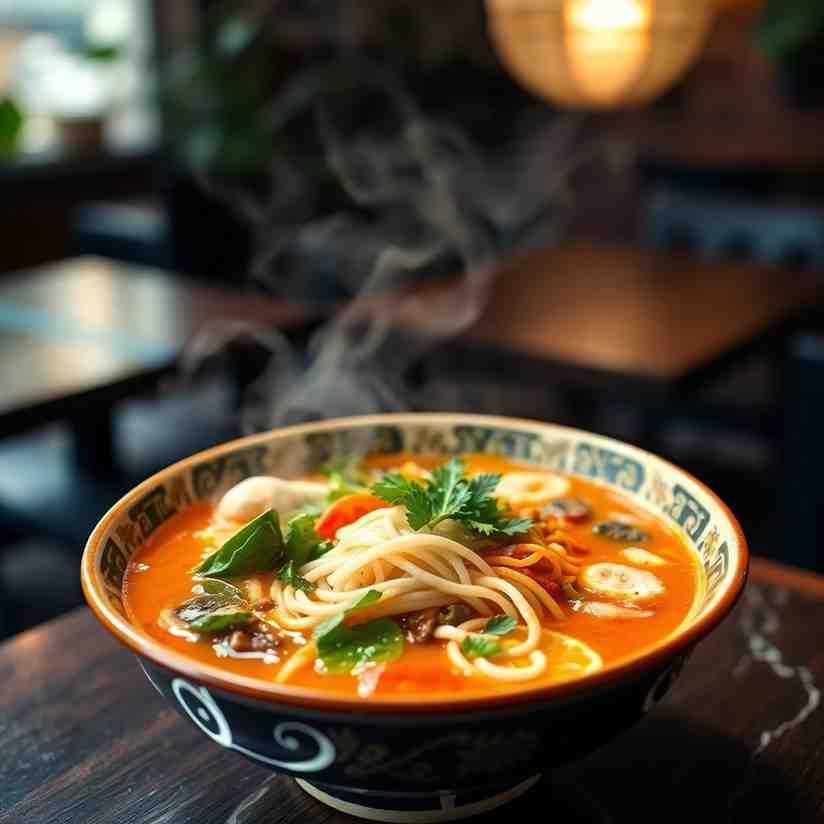
- Serves: 4 People
- Prepare Time: 30 minutes
- Cooking Time: 45 minutes
- Calories: -
- Difficulty: Medium
Ever dreamt of a culinary adventure that tantalizes your taste buds with exotic spices and comforting warmth? Look no further than Brunei Laksa! This isn't just any `asian noodle soup`; it's a vibrant, aromatic masterpiece that perfectly captures the heart of Southeast Asian cuisine. Unlike other laksa variations, Brunei Laksa offers a unique depth of flavor, often characterized by its rich, fragrant spice blend and creamy coconut milk broth. It's a dish steeped in cultural significance, a staple that brings families together and showcases the region's incredible culinary heritage. Whether you're a seasoned chef or just starting your journey into `cook healthy recipes` with an `asian seasoning for chicken` kick, this guide is for you. We'll walk you through everything, from creating your own `hot curry spice` blend to simmering `the best broth`, ensuring you can recreate this authentic experience right in your kitchen. Get ready to explore the magic of `spicy asian noodles` and truly `savor the richness` of Brunei!
Ingredients
Directions
- Preparing the Laksa Spice Paste (Rempeh)
- Prep the Aromatics: If using dried chilies, soak them in hot water for 15-20 minutes until soft. Drain and deseed them. Slice the white parts of the lemongrass, peel and slice the galangal, garlic, and shallot. Lightly toast the shrimp paste in a dry pan for a minute or two until fragrant.
- Blend the Paste: In a food processor or blender, combine the turmeric, lemongrass, galangal, rehydrated chilies, garlic, shallot, toasted shrimp paste, ground coriander, and ground cumin. Add 1/4 cup of water or vegetable oil to help blend. Process until you have a smooth, fragrant paste. This is the heart of your `make your own spice blend` and the secret to an authentic Brunei Laksa flavor!
- Cooking the Broth
- Sauté the Paste: Heat 2 tablespoons of cooking oil in a large pot or Dutch oven over medium heat. Add the prepared laksa spice paste. Sauté the paste, stirring frequently, for 8-10 minutes. This step is crucial for developing the flavors and ensuring the paste isn't raw. You'll know it's ready when the oil separates from the paste and it smells incredibly aromatic.
- Add Broth & Coconut Milk: Pour in the `spicy chicken broth` and bring it to a gentle simmer. Stir in the `sugar free coconut milk`, tamarind water (if using), and sugar. Season with salt to taste. Let the broth simmer gently for at least 15-20 minutes, allowing all the flavors to meld beautifully. Avoid boiling the broth vigorously once the coconut milk is added, as it can curdle.
- Preparing Toppings & Assembling the Dish
- Cook Prawns: While the broth simmers, add the peeled prawns to the broth and cook for just 2-3 minutes until they turn pink and opaque. Do not overcook them! Remove them from the broth and set aside to prevent them from becoming rubbery.
- Noodles: Cook your `thin rice noodles` or `rice vermicelli noodles` according to package instructions. Drain well.
- Assemble: Divide the cooked noodles among serving bowls. Ladle the hot, flavorful laksa broth over the noodles.
- Add Toppings: Arrange the cooked prawns, halved tofu puffs, hard-boiled egg halves, and blanched bean sprouts on top of the noodles.
- Final Touches and Garnish
- Garnish: Sprinkle generously with fresh chopped cilantro.
- Serve: Serve immediately with lime wedges on the side for a squeeze of freshness and extra sliced chilies for those who crave more heat. Enjoy your rich and authentic `asian style noodles`!
The following nutritional values are per serving (one piece of cake) Calories ~550-650 kcal Carbohydrates ~50-60g Protein ~30-40g Fat ~25-35g Making a delicious Brunei Laksa from scratch is incredibly rewarding, but sometimes life gets busy! Here are a few clever tools and ingredients that can help you whip up this fantastic dish without sacrificing flavor. Problem: Grinding fresh aromatics like galangal, lemongrass, and turmeric into a fine paste can be time-consuming and messy. Problem: Preparing all the fresh ingredients, especially chopping and mincing, can take a significant chunk of your cooking time. Problem: Achieving that perfect, complex Laksa flavor often relies on a deep, rich broth, which can sometimes feel like an all-day affair. Click any ingredient for detailed nutritional information:Recipe Nutritional Values
Additional Information
Recipe Success Tips
Ingredient Substitutions & Variations
Tips for Perfect Laksa
Make-Ahead & Storage Instructions
Frequently Asked Questions
Recommended Kitchen Tools
food processor or a high-speed blender
Agitate: If you're short on time or don't have the patience for pounding a mortar and pestle, you might be tempted to skip making your own paste, missing out on that vibrant, fresh flavor.
Solution: A food processor or a high-speed blender is your best friend here! It can pulverize all those tough ingredients into a smooth, aromatic paste in minutes, saving your arms and your counter.pre-chopped frozen aromatics
Agitate: Standing at the cutting board for ages can make even the most enthusiastic home cook feel drained before the real cooking even begins, potentially delaying dinner!
Solution: Look for pre-chopped frozen aromatics like minced lemongrass or ginger at your local Asian market. While fresh is always king, these can be a lifesaver for busy weeknights. Also, pre-peeled and deveined prawns can cut down prep time significantly.store-bought laksa paste
Agitate: A weak broth can leave your Laksa tasting thin and uninspired, failing to deliver that comforting, hearty experience you're craving.
Solution: While our recipe emphasizes making your own, for a super speedy shortcut, a high-quality store-bought laksa paste can be a good starting point. Just be sure to choose one with authentic ingredients and then enhance it with your own fresh herbs and coconut milk to elevate the flavor.Calories per Ingredient
You may also like

Hey there! I’m just someone who seriously loves good food and believes that cooking doesn’t have to be complicated to be amazing. Whether it’s a quick weeknight dinner or a cozy weekend meal, I’m all about sharing easy, tasty recipes that actually work.