Chitol Macher Muitha - Fish Fry
Chitol Macher Muitha - Fish Fry
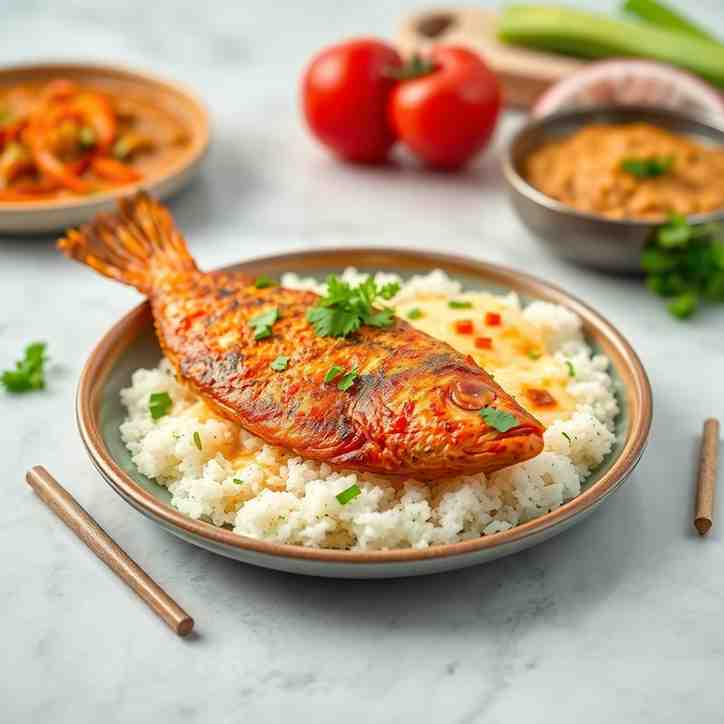
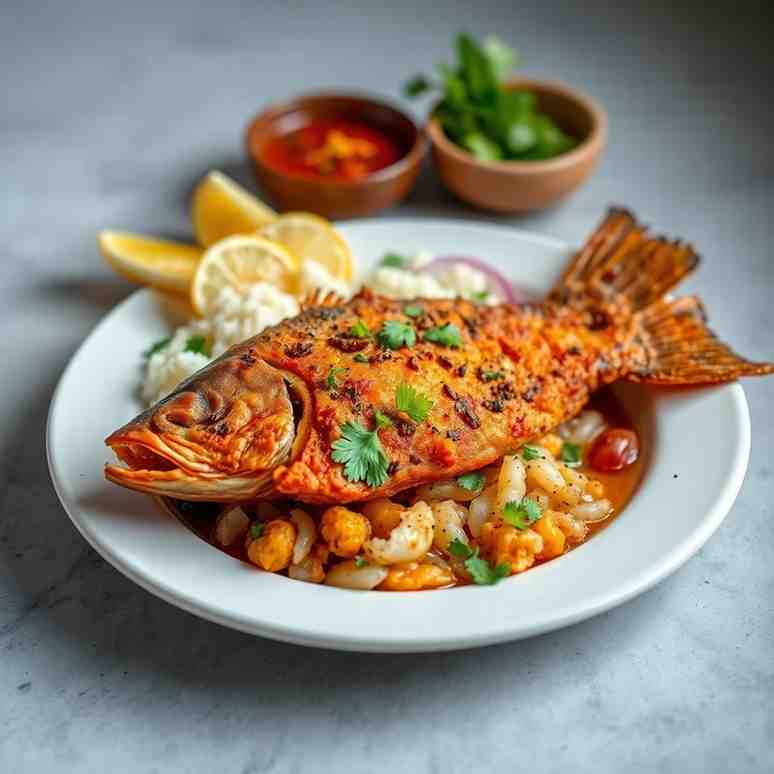
- Serves: 4 People
- Prepare Time: 45 minutes
- Cooking Time: 40 minutes
- Calories: -
- Difficulty: Medium
Get ready to embark on a culinary journey to Bangladesh right from your kitchen! Today, we're unveiling the secrets to making Chitol Macher Muitha, a beloved traditional dish that transforms the unique Chitol fish into incredibly flavorful dumplings, simmered in a rich, aromatic gravy. If you've ever dreamt of mastering authentic Bangladeshi cuisine or are simply looking for a new, exciting fish fry fish recipe, you've come to the right place.
Chitol Macher Muitha isn't just a meal; it's an experience. Known for its delicate texture and the complex flavors of its gravy, it's a dish often reserved for special occasions. While the Chitol fish itself can be a bit tricky to handle due to its bony nature, don't worry! We're here to guide you through every single recipe step by step, making this exotic recipe deep fried fish accessible for cooking for beginners recipes and seasoned home cooks alike. We'll show you how to prepare the fish, create the perfect fish fry mixture for the muitha (fish balls), and craft that unforgettable gravy using a blend of spices like dry red chili, red chili powder, green chili powder, ginger garlic paste, and garam masala powder. Prepare to impress your taste buds and loved ones with this truly special dish!
Ingredients
Directions
- Preparing the Chitol Fish & Making the Muitha (Fish Dumplings)
- Parboil the Fish: Gently boil the whole cleaned Chitol fish in a large pot of water with a pinch of salt and turmeric for about 10-15 minutes, or until just cooked through. The flesh should turn opaque. Do not overcook.
- Cool and Debone: Carefully remove the fish from the water and let it cool completely. Once cool enough to handle, gently scrape the flesh from the bones using a spoon or your fingers. Chitol fish is known for its many tiny bones, so be meticulous! The goal is to get as much boneless flesh as possible. Discard the bones and skin.
- Mash the Fish: Place the deboned fish flesh in a large mixing bowl. Mash it thoroughly with your hands or a potato masher until smooth. It should be free of any remaining bones and have a paste-like consistency.
- Prepare the Muitha Mixture: To the mashed fish, add the finely chopped onion, green chilies, ginger-garlic paste, turmeric powder, red chili powder, cumin powder, coriander powder, garam masala powder, chickpea flour (or all-purpose flour), and salt to taste.
- Knead and Form: Mix all ingredients well and knead into a firm, cohesive dough. If it feels too sticky, add a little more flour. Divide the mixture into small, oval-shaped dumplings (muitha). They should be firm enough to hold their shape during frying.
- Deep Fry the Muitha: Heat oil in a deep pan or wok over medium-high heat. Once hot, carefully drop the muitha into the oil. Fry them in batches until they are golden brown and crispy on all sides. Remove with a slotted spoon and place on a paper towel-lined plate to drain excess oil. These are your delicious fish for frying.
- Preparing the Gravy & Finishing the Dish
- Temper Spices: In a separate pan, heat 2 tablespoons of oil (preferably mustard oil) over medium heat. Add the bay leaves, green cardamom pods, cinnamon stick, and cloves. Sauté for about 30 seconds until fragrant.
- Sauté Onions: Add the finely chopped or pureed onions to the pan. Sauté until they turn golden brown and caramelized. This step is crucial for the gravy's color and flavor.
- Add Ginger-Garlic Paste: Stir in the ginger-garlic paste and cook for another 1-2 minutes until its raw smell disappears.
- Spice it Up: Reduce heat to low. Add turmeric powder, red chili powder, cumin powder, and coriander powder. Sauté for 30 seconds, stirring constantly to prevent burning. If the spices stick, add a splash of water.
- Incorporate Yogurt: Take the pan off the heat for a minute, then gradually whisk in the yogurt. Return to low heat and cook, stirring continuously, until the oil separates from the masala. This prevents the yogurt from curdling.
- Simmer the Gravy: Add 1.5 to 2 cups of warm water (or fish stock for more flavor) to the gravy. Bring it to a boil, then reduce heat to low, cover, and let it simmer for 10-15 minutes, allowing the flavors to meld. Add the whole green chilies.
- Add Muitha: Gently add the fried Chitol muitha into the simmering gravy. Cook for another 5-7 minutes, ensuring the muitha soak up the flavors of the gravy.
- Finish and Garnish: Stir in the garam masala powder and sugar (if using). Taste and adjust salt if needed. Garnish generously with fresh chopped coriander leaves.
- Serve: Serve hot with steamed rice, pulao, or roti. Enjoy your homemade Chitol Macher Muitha!
Chitol Macher Muitha - Fish Fry
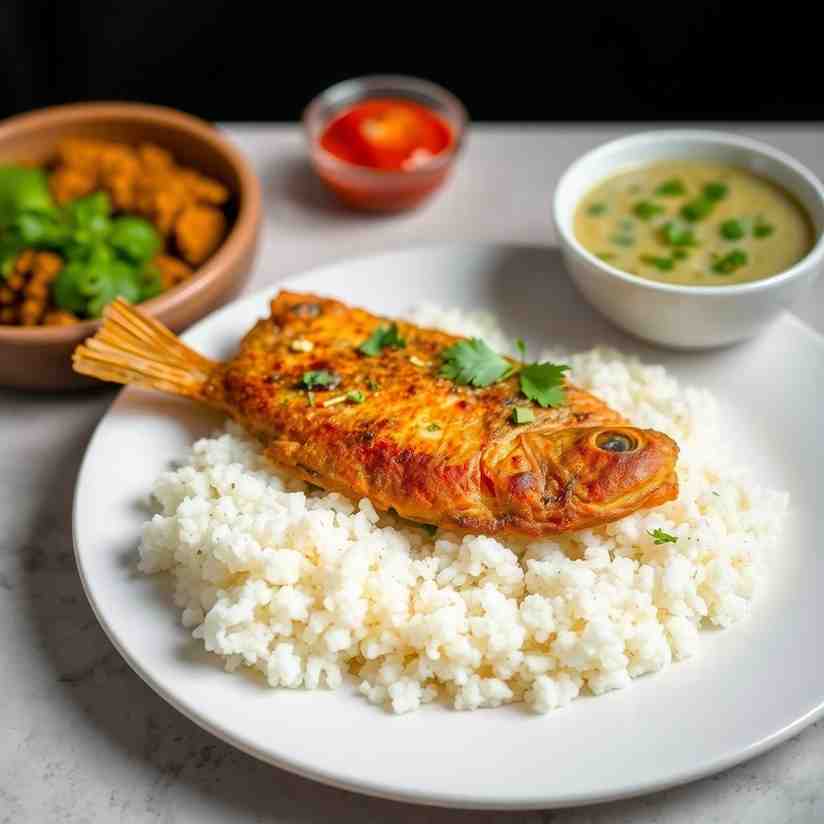
- Serves: 4 People
- Prepare Time: 45 minutes
- Cooking Time: 40 minutes
- Calories: -
- Difficulty: Medium
Get ready to embark on a culinary journey to Bangladesh right from your kitchen! Today, we're unveiling the secrets to making Chitol Macher Muitha, a beloved traditional dish that transforms the unique Chitol fish into incredibly flavorful dumplings, simmered in a rich, aromatic gravy. If you've ever dreamt of mastering authentic Bangladeshi cuisine or are simply looking for a new, exciting fish fry fish recipe, you've come to the right place.
Chitol Macher Muitha isn't just a meal; it's an experience. Known for its delicate texture and the complex flavors of its gravy, it's a dish often reserved for special occasions. While the Chitol fish itself can be a bit tricky to handle due to its bony nature, don't worry! We're here to guide you through every single recipe step by step, making this exotic recipe deep fried fish accessible for cooking for beginners recipes and seasoned home cooks alike. We'll show you how to prepare the fish, create the perfect fish fry mixture for the muitha (fish balls), and craft that unforgettable gravy using a blend of spices like dry red chili, red chili powder, green chili powder, ginger garlic paste, and garam masala powder. Prepare to impress your taste buds and loved ones with this truly special dish!
Ingredients
Directions
- Preparing the Chitol Fish & Making the Muitha (Fish Dumplings)
- Parboil the Fish: Gently boil the whole cleaned Chitol fish in a large pot of water with a pinch of salt and turmeric for about 10-15 minutes, or until just cooked through. The flesh should turn opaque. Do not overcook.
- Cool and Debone: Carefully remove the fish from the water and let it cool completely. Once cool enough to handle, gently scrape the flesh from the bones using a spoon or your fingers. Chitol fish is known for its many tiny bones, so be meticulous! The goal is to get as much boneless flesh as possible. Discard the bones and skin.
- Mash the Fish: Place the deboned fish flesh in a large mixing bowl. Mash it thoroughly with your hands or a potato masher until smooth. It should be free of any remaining bones and have a paste-like consistency.
- Prepare the Muitha Mixture: To the mashed fish, add the finely chopped onion, green chilies, ginger-garlic paste, turmeric powder, red chili powder, cumin powder, coriander powder, garam masala powder, chickpea flour (or all-purpose flour), and salt to taste.
- Knead and Form: Mix all ingredients well and knead into a firm, cohesive dough. If it feels too sticky, add a little more flour. Divide the mixture into small, oval-shaped dumplings (muitha). They should be firm enough to hold their shape during frying.
- Deep Fry the Muitha: Heat oil in a deep pan or wok over medium-high heat. Once hot, carefully drop the muitha into the oil. Fry them in batches until they are golden brown and crispy on all sides. Remove with a slotted spoon and place on a paper towel-lined plate to drain excess oil. These are your delicious fish for frying.
- Preparing the Gravy & Finishing the Dish
- Temper Spices: In a separate pan, heat 2 tablespoons of oil (preferably mustard oil) over medium heat. Add the bay leaves, green cardamom pods, cinnamon stick, and cloves. Sauté for about 30 seconds until fragrant.
- Sauté Onions: Add the finely chopped or pureed onions to the pan. Sauté until they turn golden brown and caramelized. This step is crucial for the gravy's color and flavor.
- Add Ginger-Garlic Paste: Stir in the ginger-garlic paste and cook for another 1-2 minutes until its raw smell disappears.
- Spice it Up: Reduce heat to low. Add turmeric powder, red chili powder, cumin powder, and coriander powder. Sauté for 30 seconds, stirring constantly to prevent burning. If the spices stick, add a splash of water.
- Incorporate Yogurt: Take the pan off the heat for a minute, then gradually whisk in the yogurt. Return to low heat and cook, stirring continuously, until the oil separates from the masala. This prevents the yogurt from curdling.
- Simmer the Gravy: Add 1.5 to 2 cups of warm water (or fish stock for more flavor) to the gravy. Bring it to a boil, then reduce heat to low, cover, and let it simmer for 10-15 minutes, allowing the flavors to meld. Add the whole green chilies.
- Add Muitha: Gently add the fried Chitol muitha into the simmering gravy. Cook for another 5-7 minutes, ensuring the muitha soak up the flavors of the gravy.
- Finish and Garnish: Stir in the garam masala powder and sugar (if using). Taste and adjust salt if needed. Garnish generously with fresh chopped coriander leaves.
- Serve: Serve hot with steamed rice, pulao, or roti. Enjoy your homemade Chitol Macher Muitha!
The following nutritional values are per serving (one piece of cake) Calories Approximately 350-450 kcal per serving Carbohydrates Approximately 20-30g per serving Protein Approximately 30-40g per serving Fat Approximately 15-25g per serving Making Chitol Macher Muitha can be a labor of love, but sometimes you just need a little help to get dinner on the table faster. Here are a few recommendations to help streamline your cooking process: Problem: Deboning fish can be a real pain, especially with a fish like Chitol which is known for its tricky bones. Who wants to spend ages meticulously picking out tiny bones when you could be enjoying your meal? Problem: Creating fresh ginger-garlic paste from scratch means peeling, chopping, and mincing – all extra steps that add to your prep time. Problem: Mixing the fish paste by hand can be tiring and sometimes it’s hard to get that perfectly smooth, cohesive texture needed for the muitha. Problem: Deep frying can sometimes be messy, and maintaining a consistent oil temperature can be tricky, leading to unevenly cooked or greasy muitha. Click any ingredient for detailed nutritional information:Recipe Nutritional Values
Additional Information
Recipe Success Tips
Ingredient Substitutions & Variations
Cultural Variations
Make-Ahead & Storage Instructions
Frequently Asked Questions
Recommended Kitchen Tools
Kitchen Tool
Solution: Consider investing in a good quality fish bone remover tool or, even better, ask your fishmonger to debone the fish for you! Many stores offer this service, saving you significant time and effort. If you can find pre-cleaned, deboned Chitol fillets, that’s an even bigger win!Kitchen Tool
Solution: Keep a jar of good quality, store-bought ginger-garlic paste in your fridge. It's a fantastic time-saver, ensuring you always have this aromatic base ready to go for your curries and marinades.Kitchen Tool
Solution: A food processor can be your best friend here! It quickly grinds the fish and mixes in the spices and binders, creating a uniform paste with minimal effort. Just be careful not to over-process.Kitchen Tool
Solution: A deep fryer or a heavy-bottomed Dutch oven paired with a good kitchen thermometer can make frying much easier. This helps maintain a steady oil temperature, ensuring your muitha cooks perfectly golden brown and crispy on the outside, tender on the inside, without absorbing too much oil.Calories per Ingredient
You may also like

Hey there! I’m just someone who seriously loves good food and believes that cooking doesn’t have to be complicated to be amazing. Whether it’s a quick weeknight dinner or a cozy weekend meal, I’m all about sharing easy, tasty recipes that actually work.