Vatapa Shrimp & Coconut Stew
Vatapa Shrimp & Coconut Stew
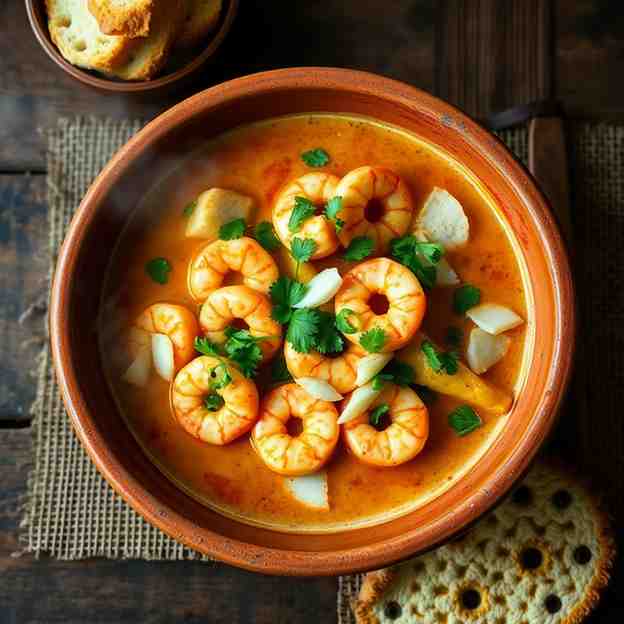
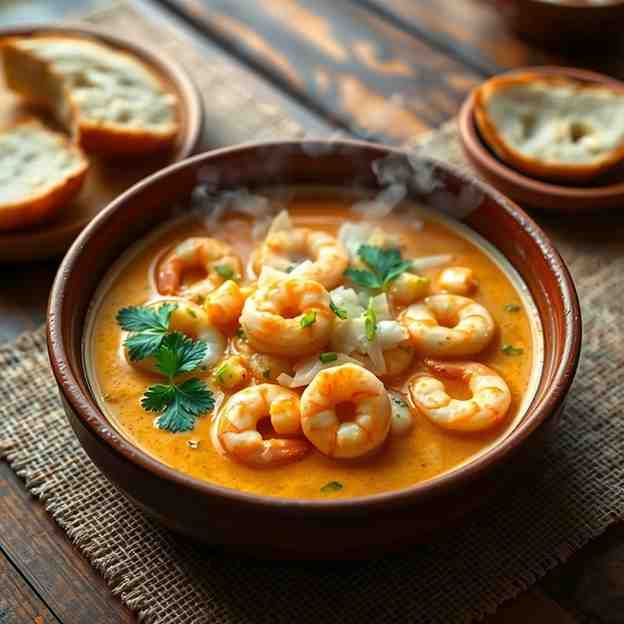
- Serves: 6 People
- Prepare Time: 20 minutes
- Cooking Time: 30 minutes
- Calories: -
- Difficulty: Medium
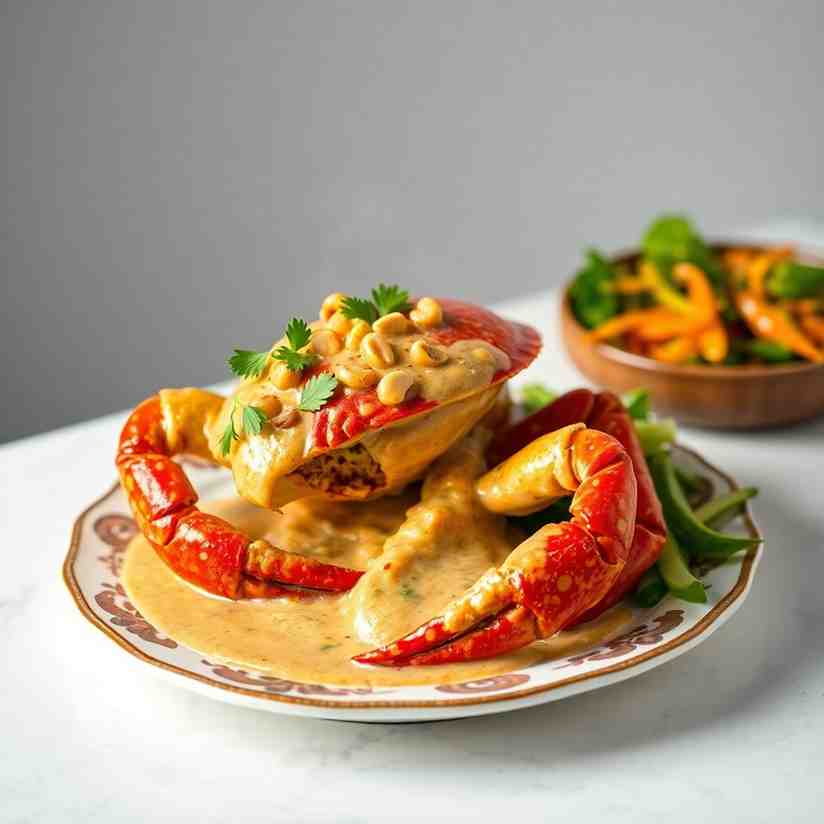
Welcome to the vibrant world of Brazilian cuisine! Today, we're diving deep into a beloved classic that's as rich in flavor as it is in history: `Vatapa`. This incredible `shrimp and coconut` stew is a staple of Afro-Brazilian cooking, particularly in the Bahia region, known for its deep African roots and culinary traditions. Imagine a creamy, savory, and slightly spicy dish that perfectly balances the sweetness of coconut milk with the briny goodness of `shelled shrimp recipes`, all thickened with bread or cashews and brightened by fresh herbs.
`Vatapa` isn't just a meal; it's an experience. It's often served alongside acarajé (fried black-eyed pea fritters) or as a main course with rice, bringing a taste of Brazil's soul right to your kitchen. While it might sound exotic, we're here to make preparing this `brazilian food dishes` a breeze, whether you're a beginner cook exploring `international cuisine recipes` or an experienced chef looking to perfect your `fish stew recipe`. Get ready to impress your taste buds and transport yourself to the sunny shores of Bahia with this truly authentic and delicious `shrimp and coconut` masterpiece!
Ingredients
Directions
- Prep the Shrimp: Season the peeled and deveined `shrimp` with a pinch of salt, pepper, and a squeeze of lime juice. Set aside.
- Sauté Aromatics: In a large, heavy-bottomed pot or Dutch oven, heat the olive oil over medium heat. Add the chopped onion, red bell pepper, and green bell pepper. Sauté for 5-7 minutes until softened and fragrant. Add the minced garlic and cook for another minute until aromatic.
- Blend the Base: Transfer the sautéed vegetables to a blender. Add about half of the chopped cilantro, the soaked cashews (or peanuts), the bread (squeezed lightly to remove excess liquid), the full can of coconut milk, and the vegetable broth. Blend until completely smooth and creamy. This is the heart of your `Vatapa`!
- Cook the Vatapa: Pour the blended mixture back into the pot. Stir constantly over medium-low heat to prevent sticking, as the mixture will thicken quickly. Bring it to a gentle simmer.
- Add Dendê Oil: Stir in the 2 tablespoons of dendê oil. This oil adds a distinctive, earthy flavor and beautiful orange hue that is characteristic of authentic `African cuisine recipes` influences in Brazilian cooking. Continue to cook, stirring, for about 10-15 minutes, allowing the flavors to meld and the mixture to thicken to a porridge-like consistency.
- Cook the Shrimp: Add the seasoned `shrimp` to the simmering `Vatapa`. Cook for just 3-5 minutes, or until the `shrimp` turn pink and are cooked through. Be careful not to overcook them, as they can become tough.
- Finish and Serve: Stir in the remaining chopped cilantro and the juice of the remaining lime. Taste and adjust seasoning with salt and pepper as needed. If using, add a pinch of red pepper flakes for a subtle kick. Serve hot, garnished with a drizzle of extra dendê oil (if desired) and fresh cilantro. It pairs wonderfully with white rice, farofa, or a simple side salad.
Vatapa Shrimp & Coconut Stew

- Serves: 6 People
- Prepare Time: 20 minutes
- Cooking Time: 30 minutes
- Calories: -
- Difficulty: Medium
Welcome to the vibrant world of Brazilian cuisine! Today, we're diving deep into a beloved classic that's as rich in flavor as it is in history: `Vatapa`. This incredible `shrimp and coconut` stew is a staple of Afro-Brazilian cooking, particularly in the Bahia region, known for its deep African roots and culinary traditions. Imagine a creamy, savory, and slightly spicy dish that perfectly balances the sweetness of coconut milk with the briny goodness of `shelled shrimp recipes`, all thickened with bread or cashews and brightened by fresh herbs.
`Vatapa` isn't just a meal; it's an experience. It's often served alongside acarajé (fried black-eyed pea fritters) or as a main course with rice, bringing a taste of Brazil's soul right to your kitchen. While it might sound exotic, we're here to make preparing this `brazilian food dishes` a breeze, whether you're a beginner cook exploring `international cuisine recipes` or an experienced chef looking to perfect your `fish stew recipe`. Get ready to impress your taste buds and transport yourself to the sunny shores of Bahia with this truly authentic and delicious `shrimp and coconut` masterpiece!
Ingredients
Directions
- Prep the Shrimp: Season the peeled and deveined `shrimp` with a pinch of salt, pepper, and a squeeze of lime juice. Set aside.
- Sauté Aromatics: In a large, heavy-bottomed pot or Dutch oven, heat the olive oil over medium heat. Add the chopped onion, red bell pepper, and green bell pepper. Sauté for 5-7 minutes until softened and fragrant. Add the minced garlic and cook for another minute until aromatic.
- Blend the Base: Transfer the sautéed vegetables to a blender. Add about half of the chopped cilantro, the soaked cashews (or peanuts), the bread (squeezed lightly to remove excess liquid), the full can of coconut milk, and the vegetable broth. Blend until completely smooth and creamy. This is the heart of your `Vatapa`!
- Cook the Vatapa: Pour the blended mixture back into the pot. Stir constantly over medium-low heat to prevent sticking, as the mixture will thicken quickly. Bring it to a gentle simmer.
- Add Dendê Oil: Stir in the 2 tablespoons of dendê oil. This oil adds a distinctive, earthy flavor and beautiful orange hue that is characteristic of authentic `African cuisine recipes` influences in Brazilian cooking. Continue to cook, stirring, for about 10-15 minutes, allowing the flavors to meld and the mixture to thicken to a porridge-like consistency.
- Cook the Shrimp: Add the seasoned `shrimp` to the simmering `Vatapa`. Cook for just 3-5 minutes, or until the `shrimp` turn pink and are cooked through. Be careful not to overcook them, as they can become tough.
- Finish and Serve: Stir in the remaining chopped cilantro and the juice of the remaining lime. Taste and adjust seasoning with salt and pepper as needed. If using, add a pinch of red pepper flakes for a subtle kick. Serve hot, garnished with a drizzle of extra dendê oil (if desired) and fresh cilantro. It pairs wonderfully with white rice, farofa, or a simple side salad.
The following nutritional values are per serving (one piece of cake) Calories ~380-420 per serving Carbohydrates ~20-25g per serving Protein ~25-30g per serving Fat ~25-30g per serving Tools and ingredients that can help you cook more easily and consistently. Making Vatapá from scratch is a labor of love, but a few smart choices can shave off precious minutes without sacrificing flavor. Here are some of our top picks: Problem: Mashing cooked bread or blending nuts and spices by hand can be a real arm workout and time-consuming. Achieving that silky-smooth consistency is key for authentic Vatapá. Problem: Peeling and deveining shrimp can be tedious and messy, adding a significant chunk of time to your prep. Problem: Peeling and finely mincing fresh ginger and garlic takes time and can be a fiddly task, especially if you're not a pro with a knife. Click any ingredient for detailed nutritional information:Recipe Nutritional Values
Additional Information
Recipe Success Tips
Ingredient Substitutions & Variations
Cultural Variations
Make-Ahead & Storage Instructions
Frequently Asked Questions
Recommended Kitchen Tools
Time-Saving Tools & Ingredients
A Powerful Blender or Food Processor
Agitate: Without the right equipment, you might end up with a lumpy stew or spend ages trying to get the texture just right, making the whole process feel more like a chore than a joy.
Solution: A good quality blender or food processor makes quick work of blending the bread base, nuts, and aromatic vegetables into a smooth paste. This ensures your Vatapá has that luxurious, creamy texture it's famous for, all with minimal effort.Pre-Shelled & Deveined Shrimp
Agitate: If you're short on time, the thought of this extra step might even deter you from making Vatapá at all, or lead you to rush and miss a vein or two (ick!).
Solution: Opt for frozen, pre-shelled, and deveined shrimp. Just thaw them according to package directions, and they're ready to go straight into your stew, saving you valuable prep time and keeping your kitchen cleaner.Jarred Minced Ginger & Garlic
Agitate: Skipping these aromatics isn't an option for Vatapá, as they're crucial for its depth of flavor. But the prep can feel like a barrier when you're in a hurry.
Solution: Keep jars of minced ginger and garlic in your fridge. They offer a fantastic flavor shortcut, allowing you to quickly scoop and add without any peeling or chopping. Just make sure to choose good quality brands for the best taste. ---Calories per Ingredient
You may also like

Hey there! I’m just someone who seriously loves good food and believes that cooking doesn’t have to be complicated to be amazing. Whether it’s a quick weeknight dinner or a cozy weekend meal, I’m all about sharing easy, tasty recipes that actually work.